


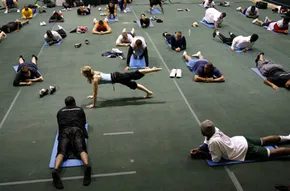
Модні тренди у фітнесі швидко застарівають. В один місяць усі займаються високоінтенсивними інтервальними тренуваннями (HIIT). Наступного — купують запатентований тренажер, який припадає пилом у гаражі. Пілатс – інша справа. Він народився 1920-х роках. Його створив Джозеф Пілатес. Десятиліттями він виборював виживання. Потім, у 1980-х, відбулося вибухове зростання популярності. Сьогодні це вже не просто мода. Це стандарт.
Але що насправді відбувається, коли ви лягаєте на килимок? І чому ця методика залишається актуальною, коли багато іншого йде у минуле?
У основі практики лежить контроль. Не про те, щоб просто піднімати тяжкості. Йдеться про динамічну напругу. Це самоопір. Ви чините опір власним м’язам. Чарльз Атлас, ікона бодібілдингу тієї ж ери, просував подібні концепції. Пілатес взяв цю ідею та надав їй плавності. Рухи не обриваються. Вони пов’язані один з одним. Одне становище плавно перетворюється на наступне.
Джозеф Пілатес розглядав тіло як єдине ціле. Не можна відокремити м’язи від розуму. Він вважав, що гнучкість та сила — це дві сторони однієї медалі. Сучасні тренери погоджуються з цим. Багатьом пілатс замінив важку роботу з терезами як основний метод тонусу. Він розвиває чинність без нарощування обсягів. Акцент робиться на м’язах кори.
Чому пілатс не запатентований?
Назва стала повсюдною. Це створило проблеми.
1992 року Шон Галлахер володів студіями пілатесу. Він також продавав обладнання. Він зареєстрував товарні знаки “Pilates” та “Pilates Studio”. Він почав позиватися до тих, хто використовував цю назву без дозволу. Здавалося, що це розумний бізнес-хід.
Далі він подав до суду на компанію Balanced Body. Balanced Body виробляла обладнання для пілатес з 1976 року. Не використовували товарний знак. Вони просто називали свої продукти так, як вони є.
Судовий розгляд виявив сувору правду. Суддя ухвалив, що пілатс більше не є брендом. Це стало загальним терміном. Галлахер нічого не зробив, щоб запобігти використанню назви іншими людьми для опису вправ. Товарний знак було визнано недійсним. Термін перейшов у суспільне надбання.
Основи пілатесу
Це відсутність обмежень насправді добре для практики. Це означає, що будь-хто може викладати його. Будь-хто може придбати обладнання. Бар’єри для входу низькі.
Самі вправи легко описати, але важко засвоїти. Ви включаєте центр тіла. Ви дихайте. Ви рухаєтеся свідомо. Нема стрибків. Нема ударного навантаження. Лише контроль.
Система задіює тіло і розум через контрольовані рухи. Це динамічна напруга.
Джозеф Пілатес хотів більше, ніж просто сильні м’язи. Він хотів здорового розуму. Він вважав, що вони залежать один від одного. Сьогодні ця філософія стала мейнстрімом. Заняття можна знайти майже у будь-якому місті.
Чому це працює? Можливо, через концентрацію уваги. Можливо, через низьке ударне навантаження. Або, можливо, просто тому, що це складніше, ніж здається. Килимок виглядає простим. Робота – ні.
Далі ми розглянемо історію. Як метод, що з’явився сто років тому, став настільки поширеним? Мова не лише про вправи. Мова про історію.
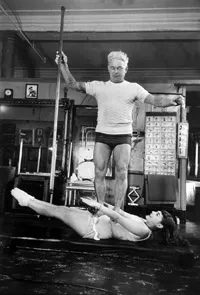
Джозеф Пілатес був не просто новатором у сфері фізичних вправ. Він був вижив. Народившись у 1880 році в Менхенгладбасі, Німеччина, його шлях до фізичної форми не був усипаний пелюстками троянд. Він був викуваний через біль. Його батько був гімнастом. Його мати, натуропат, вірила у природне зцілення. Юний Джозеф був кволий. Астма. Рахіт. Ревматична лихоманка.
Він не приймав слабкості. Коли лікар вручив йому книгу з анатомії, він не просто прочитав її. Він вивчив її напам’ять. Він тренував кожну частину свого тіла, поки вона не підкорялася йому. До чотирнадцяти років він був досить сильним, щоб позувати для анатомічних таблиць.
Перша світова війна змінила все. Пілатес опинився у таборі інтернування в Англії як ворожий іноземець. Там він навчав боротьбі та самообороні. Але його справжня робота розпочалася, коли він став медбратом для пацієнтів із військовими захворюваннями. Він бачив, як ліжка знерухомлювали людей. Як м’язи атрофуються. Він почав прикріплювати пружини від ліжок, щоб допомогти пацієнтам рухати кінцівками, залишаючись у лежачому положенні. Так народилася Контрологія.
1926 року він переїхав до Нью-Йорка. Він та його дружина Клара відкрили студію. Танцюристи стікалися туди. Їм була потрібна сила без зайвого обсягу. Пілатес давав їм це. Це зміцнювало стабільність кора, зберігаючи м’язи підтягнутими. Сьогодні цей принцип залишається центральним для розуміння пілатес проти йоги і того, чому танцюристи, як і раніше, покладаються на нього для запобігання травмам.
Основна філософія
Пілатес та йогу часто об’єднують в одну купу. Вони мають загальні пози. У них загальний фокус на диханні. Але вони є різними.
Пілатес орієнтований на кор. Прямі м’язи живота. Поперек. Сідниці. Він використовує килимки та тренажери для розвитку функціональної сили. Йога? Це часто спосіб життя. Вона потребує уваги до дієти. Медитація. Розслаблення. Вона прагне поєднати розум і тіло. Пілатес залучає розум контролю над тілом, але прагне до духовної єдності. Він прагне фізичної точності.
Як працює пілатес
Ціль проста: сила. Гнучкість. Контроль.
Динамічна напруга збільшує м’язи. Подовження розтягує їх. Але це пасивна розтяжка. Пілатес створює «справжню гнучкість». Без спотворень. Без маніпуляцій. Просто свобода рухів.
Кожен рух потребує концентрації. Ви не можете вимкнутись. Ви повинні відстежувати своє становище. Ви повинні відчувати, як ваше тіло реагує. Цей ментальний фокус запобігає травмам. Він гарантує, що жодна м’яз не залишиться поза увагою. Рухи повільні. Продумане. Це уповільнює нервову систему та забезпечує повне залучення.
Робота на килимку
Більшість занять починається на килимку. 1954 року Джозеф Пілатес опублікував книгу «Повернення до життя через Контрологію». У ній були докладно описані 34 вправи на килимку. Це є основою.
- Сто (The hundred): Розігріває тіло. Регулює подих.
- Пила (The saw): Працює з м’язами живота. Розтягує біцепси стегна.
- Віджимання (Push up): Залучає плечі, груди, руки та верхню частину спини. Одночасно розтягує біцепси стегна та плечі.
Багато вправ одночасно задіють кілька груп м’язів. Це ефективність.
Де пілатес неефективний
Це не панацея.
Пілатес не дає кардіоваскулярного навантаження. Він не є аеробним навантаженням. Якщо ви хочете зміцнити серце, вам потрібно додати біг, плавання чи їзду велосипедом.
Він також підходить не всім. Якщо ви бодібілдер, що прагне маси, це не ваша система. Він створює підтягнуті, довгі м’язи. Чи не обсяг.
Потрібна медична обережність за певних станів. Особи з недосконалим остеогенезом, остеопорозом, хворобою Пейджету або остеомаляцією повинні займатися пілатес тільки під професійним наглядом. Деякі інструктори навчені модифікувати вправи для захворювань кісток. Інші – ні.
Немає єдиного глобального органу з сертифікації пілатесу. Це ускладнює відмінність класичного пілатес від гібридних варіацій. Однак деякі агенції сертифікують викладачів за конкретними методами. Перевіряйте їхню кваліфікацію.
Зв’язок із диханням
Джозеф Пілатес не винайшов фокусу на диханні у вакуумі. Він запозичив його.
Його акцент на диханні як інструмент для розслаблення та руху пов’язаний з Цигун. Китайська система, що існує вже 5000 років. Цігун поєднує медитацію. Рухи із низькою інтенсивністю. Контрольоване дихання. Сьогодні понад 80 мільйонів людей у Китаї практикують його. Його популярність зростає у країнах.
Пілатес взяв це усвідомлення дихання та застосував його до структурної механіки.
Обладнання
Студія була не тільки про килимки. Пружини від ліжок із табору інтернування еволюціонували до машин. Реформер. Кадилак. Wunda Chair (стул Вунда). Ці інструменти додали опір і підтримку, дозволяючи отримати ширший діапазон рухів та можливості реабілітації, які тільки килимки забезпечити не могли.
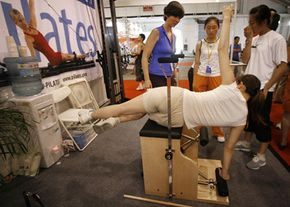
За межами килимка: обладнання, що визначило пілатес
Не кожне тренування з пілатес проходить у положенні лежачи на пінному килимку. Історія цього методу безпосередньо пов’язана з обмеженнями людей, які ним займалися. Під час Першої світової війни Джозеф Пілатес помітив проблему, що повторюється. Він витрачав надто багато фізичних зусиль, щоб утримувати пацієнтів на місці чи вручну допомагати їм виконувати рухи. Його власне тіло було інструментом, але воно швидко втомлювалося.
Йому потрібний був найкращий спосіб.
Він почав створювати машини, що заміняли його власну силу. Матеріали були у дефіциті, тому він використав те, що було під рукою. Пружини від ліжка. Каркаси ліжок. Це не було високотехнологічним рішенням. Цього було достатньо для створення опору.
Найбільші назви в устаткуванні для пілатес
Ці ранні експерименти стали основою того, що сьогодні вважаємо стандартним студійним обладнанням. Пілатес дав цим винаходам конкретні назви, які використовуються досі. Ви почуєте, як їх називають: Універсальний реформер, стілець Вунда (Wunda Chair), кедділак (Cadillac), сходи-бочка (Ladder Barrel) та випрямляч хребта (Spine Corrector).
Якщо ви зайдете в сучасну студію, ви, швидше за все, побачите переважно реформер. Це «робоча конячка» практики. Більшість класичних вправ можна виконувати на килимку або виключно реформері. Але додавання інших тренажерів створює більш збалансоване тренування. Вони використовують різні кути руху.
Універсальний реформер зараз це просто предмет меблів. Він дозволяє виконувати понад 100 різних рухів. Саме ця різноманітність робить його центральним елементом більшості студій.
Інші машини служать різним цілям. Кеддилак використовує дерев’яні перекладини та підвісні трапеції. Ви працюєте руками, ногами та корпусом проти різного натягу пружин. Стілець Вунда був створений спеціально для тренування балансу та розвитку чистої сили.
Бюджетні варіанти для домашніх тренувань
Вам не потрібна абонемент до студії, щоб отримати частину цих переваг. Набори для пілатесу — популярна та дешевша альтернатива для використання вдома. Це не повнорозмірні машини. Це невеликі інструменти для імітації опору великих тренажерів.
Ці набори зазвичай включають комплекти пружин та еластичних стрічок. Ви прикріплюєте їх до свого тіла чи меблів, щоб додати силові тренування до базового тренування. Мета та сама, що й у студії. Правильне вирівнювання. Контрольований рух.
Сучасник спокою
Джозеф Пілатес не був єдиною фігурою, яка просувала холістичне здоров’я в ту епоху. Доктор Джон Харві Келлог жив у той же час. Його прізвище відоме завдяки сніданковому cereale (каші), але його робота була глибшою.
Келлог вважав здорове харчування лише однією частиною головоломки. Він назвав свою систему “біологічним життям”. Лунало технічно. Насправді, це було досить радикально для того часу. Він сильно вірив у зв’язок між розумом і тілом. Подібно до Пілатеса, він бачив їх як пов’язані, а не розділені.
Він також займав позиції, які випередили свій час. Він засуджував куріння. Він просував альтернативи медикаментозному лікуванню деяких захворювань. Його підхід до здоров’я був всеосяжним. Він охоплював дієту, рух та ментальний стан.
Келлог та Пілатес поділяли бачення. Обидва хотіли, щоб люди брали контроль за своїм фізичним благополуччям через конкретні, дисципліновані практики. Машини, які збудував Пілатес, були лише інструментами. Філософія була справжнім винаходом.
Наскільки багато з цієї філософії можна відтворити за допомогою гумки-банджі у вашій вітальні? Певно, не все. Але це початок.
