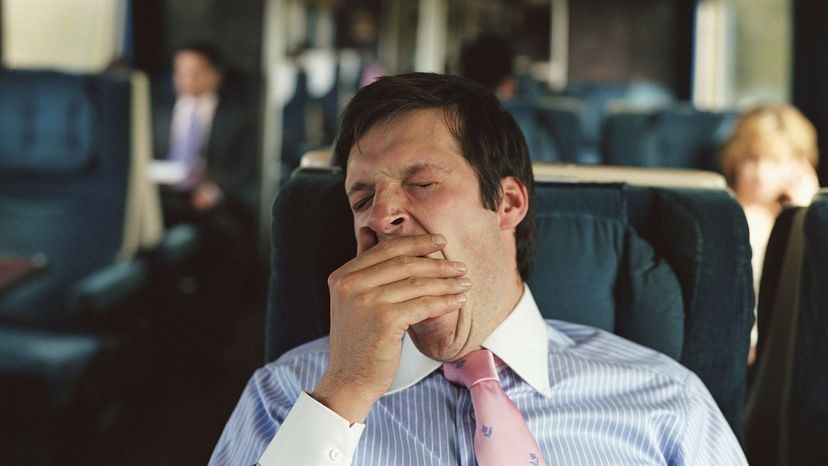
The hoodie with “I’m Tired” in block letters isn’t just a fashion statement. It’s a symptom.
My friend wears it. She’s a mom to a toddler and an infant. The math is simple. The sleep is nonexistent.
But you don’t need a newborn to be exhausted. The CDC says 35 percent of American adults get less than seven hours a night. That’s a third of the population running on fumes.
Here is the twist. Even people who hit that seven-hour mark still wake up feeling like they rolled through a woodchipper.
A Sleep Foundation survey revealed that 35 percent of Americans rate their sleep quality as poor or fair. Quantity is there. Quality is missing. And 20 percent haven’t felt refreshed in a week straight.
We asked Michael Breus. He’s a clinical psychologist. He writes e-books on sleep hygiene. People call him “The Sleep Doctor.” He helped identify five common lifestyle mistakes that wreck your rest.
This is the first half of the list.
Inconsistent Sleep Schedule
Consistency beats duration.
Breus goes to bed at midnight. He wakes at 6:30 AM. Six and a half hours. He is sharp.
His brain loves the routine. It triggers melatonin at the exact same time every night. The circadian rhythm stays synced.
Break that schedule on weekends. Stay up late. Sleep in. Your brain loses its footing. It takes longer to initiate sleep. It takes longer to wake up. You are left groggy.
The fix is boring but effective. Set a bedtime alarm on your phone. Use the “Bedtime” setting on iPhone. Force the routine.
Too Much Caffeine or Alcohol Close to Bedtime
Coffee after dinner is a myth for most people.
Caffeine has an eight-hour half-life. If you drink a soda at 8 PM, half of that stimulant is still in your system at 4 AM.
Breus cuts off caffeine at 2 PM. Hard stop.
You might think you fall asleep fine. If he put electrodes on your head, your brain waves would tell a different story. Caffeine blocks deep sleep. You stay in lighter stages. You don’t get the restorative rest.
Alcohol is worse.
It knocks you out faster. But it prevents deep sleep. Your brain needs those first four hours for cellular repair and growth hormone release. Alcohol interferes with that process.
“Sleep quality is directly affected by the presence of alcohol,” Breus says. It is also the reason you get a hangover.
Light Exposure at the Wrong Time
Your internal clock runs on light.
Sun goes down. Pineal gland releases melatonin. You get sleepy.
Sun comes up. Melatonin stops. You wake up.
Modern life breaks this. We have electric light. We have screens. We stare at blue light well past sundown.
This delays melatonin release. It throws off the circadian rhythm. The consequences go beyond sleep. Obesity. Diabetes. Cancer. The links are strong.
Breus suggests an electronics curfew one hour before bed. If you watch TV to fall asleep, wear blue-blocking glasses.
Get natural light first thing in the morning. It boosts mood. It suppresses melatonin until nightfall.
Exercising Too Late in the Day
Body temperature is a signal.
Average temp is 98.6 degrees. It fluctuates. It cools at night. It heats during the day.
Exercise is great for sleep. But only if you don’t overheat right before bed.
Your brain needs a cool core to release melatonin. A vigorous workout raises that core temp. It confuses the programming.
Work out early. Shower. Cool down. Lights out.
If your bedroom is too warm, you stay awake. Use a fan. It cools you. It blocks noise.
The second half of the list covers the rest. But the pattern is clear. Your biology is not being fought by your willpower. It is being fought by your schedule.
Adjust the inputs. Watch the output.
The Hidden Cost of Undiagnosed Sleep Disorders
Between 50 million and 70 million American adults have a confirmed sleep disorder. The list is long. Obstructive sleep apnea. Chronic insomnia. Restless leg syndrome. But the confirmed cases are just the tip of the iceberg. Millions more go undiagnosed.
Sleep apnea and even simple snoring strip oxygen from the body while you’re unconscious.
“When you’re not getting enough oxygen to the brain, your brain is not getting enough fuel,” says Dr. Breus. “And if you’re not getting enough fuel, you’re not able to go into the deeper stages of sleep.”
Think about that. No fuel. No deep sleep. Just fragmented rest.
The National Sleep Foundation reports only 11.6 percent of U.S. adults have been diagnosed with sleep apnea. Research suggests 25 percent are likely affected. That missing 13.4 percent? They could be suffering needlessly. Treatments like a continuous positive airway pressure (CPAP) device are highly effective. Yet they remain untapped resources for millions who just don’t know they’re sick.
Treating Insomnia Without Pills
Now That’s Cool
Studies show cognitive behavioral therapy for insomnia (CBT-I) beats sleeping pills. It’s not just about knocking yourself out. It’s about rewiring.
CBT involves techniques we’ve discussed. It includes keeping a sleep log. This log forces objectivity. It shows you exactly how many hours you’re actually sleeping. It tracks progress. Insomnia is often a condition of the mind. Being able to relax helps you stay asleep. Pills mask the symptom. CBT addresses the root.
Sleep Mistakes FAQ
What are the types of fatigue?
There are many types. The average person deals with social, emotional, physical, and mental fatigue. Some also handle pain and chronic illness fatigue. All of these affect a person. While some make you crash as your head hits the pillow, others make it harder to fall asleep in the first place.
What are symptoms of not sleeping enough?
Chronic fatigue symptoms include tiredness. Inability to concentrate. Brain fog. Low libido. Slowed reflexes. Impaired decision-making. Moodiness. It’s a cascade. One failure leads to another.
What causes extreme fatigue in females?
Many issues affect both sexes equally. However, fatigue is a top PMS symptom. Mensuration often increases tiredness and the need for sleep due to hormone plunges. Levels should normalize in a few days. The extreme fatigue should disappear with them.
What is the most ideal time to go to sleep?
There is no single best time. It depends on when you need to wake up. Aim for at least seven hours. Sticking to a consistent schedule is critical. The brain craves consistency. Snooze at the same time every night. Set the alarm for the same time each morning. Sleep will improve significantly.
How do I fix my sleeping problem?
If you struggle to fall asleep or stay asleep, start small. Maintain a consistent sleep schedule. Seven days a week. No exceptions. Cut caffeine by 2:00 PM. Avoid nightly alcohol, even just one glass. No screens an hour before bed.
Try this for a month. If there’s no improvement, see a doctor. Discuss potential sleep disorders. Explore sleep aids. Look into cognitive behavioral therapy for insomnia.
The path isn’t always linear. But ignoring the silence of a CPAP machine or the emptiness of an undiagnosed sleep log is worse.