


It burns.
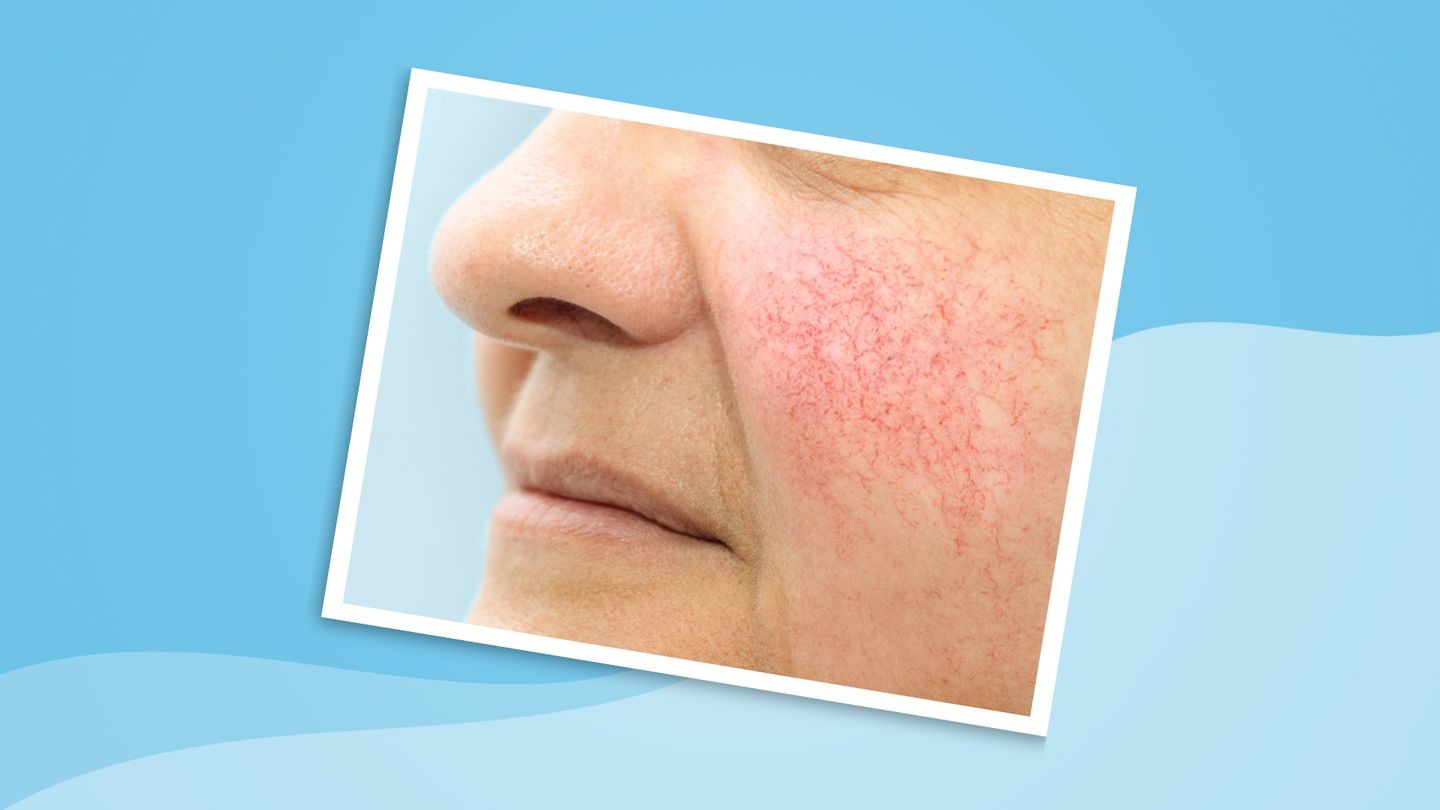
Not the kind of burn from pepper. The kind that rises from the chest to the cheeks and sets your whole face on fire. You wipe sweat from your brow, thinking it’s just another hot flash, but the redness stays. The bumps stay.
Menopause changes the skin in ways people rarely discuss at brunch.
Suzanne Sirota Rozenberg is a dermatology chief at Episcopal Health Services in New York. She sees this a lot. The shift in hormones doesn’t just dry you out or wreck your sleep. It can trigger or worsen rosacea, a chronic condition where face vessels stay visible, skin breaks out in acne-like bumps, and redness becomes a permanent resident.
“There are many factors,” Rozenberg says, “that contribute to how our skin changes… especially for women.”
Estrogen drops. That’s the headline. But the story is messier.
Why Your Skin Rebels Now
Aging itself is brutal. Decades of sun damage stack up. Collagen evaporates. Skin gets thinner like tracing paper.
“As we age, we lose water and Collagen,” Rozenberg notes. “Blood vessels beneath the top layer cause flushing and redness.”
But menopause accelerates this via a hormonal seesaw.
During perimenopause —those messy years leading into menopause—ovaries wind down. Estrogen falls. Cortisol, the stress hormone, spikes. Your skin has receptors for estrogen, remember? When that chemical disappears, the structural support vanishes. Oil production tanks. The skin barrier, usually your defense against irritants, gets weak.
Kecia Gaither is an OB-GYN at Weill Cornell Medicine. She puts it plainly. Lower estrogen means more dryness. More wrinkling. And a nervous system that reacts badly to everything.
Think about it.
Spicy food. Heat. Alcohol.
Usually manageable?
During menopause? They hit like sledgehammers.
Gaither calls it a perfect storm of systemic inflammation. You are more reactive. You get redder. You stay red. And honestly? The stress of feeling bad makes it worse.
Hot Flash Or Rosacea? Tell Me Again.
It’s easy to mix them up.
About 80 percent of women get hot flashes. They feel like an internal oven. But look closer.
Efe Kakpovbia is a dermatologist at NYU Langtone. She helps patients sort the confusion.
A hot flash is transient. Sudden heat. It hits the chest, the neck, the back, the face. You sweat. Maybe shiver later. Then it goes away.
A rosacea flush stays put. On the face.
It brings visible blood vessels. It brings persistent bumps. It doesn’t fade when the sweat stops.
One is a temperature regulation glitch.
The other is a chronic skin condition.
Knowing the difference matters.
Treatment Is Rarely One-Size-Fits-All
So you have rosacea.
Menopause is happening.
Now what?
Kakpovbia says management depends on severity. There isn’t one magic bullet.
Topical medications are the first line. Metronidazole. Azelaic acid. Ivermectin. You put them on your face. They calm the inflammation.
If that fails, oral antibiotics step in. Or light.
Lasers exist.
Pulsed-dye laser.
Intense pulsed light.
They target the red vessels specifically. Some insurance covers it, some doesn’t. Rozenberg admits that in tough cases, surgical options remain, though they’re the last resort.
What about hormone therapy?
You might think HRT would fix everything since estrogen helps skin hydration. Sometimes, it does. Fewer hot flashes might mean fewer rosacea triggers. But Kakpovbia warns you to check twice.
The data is mixed.
Actually? It’s contradictory.
Some studies show HRT patients face a higher risk of rosacea. Not lower. Higher.
“Monitor your skin,” she says. Talk to your doctor. If the therapy makes the face worse, it’s not worth it for the sake of skin thickness.
Live Your Life Differently
Doctors can prescribe drugs, sure.
But Rozenberg wants you to look at your habits.
Healthy diet. Exercise. Sleep. Quit smoking if you smoke.
It sounds basic because it is. Stress management isn’t just a platitude for skin; cortisol directly impacts the inflammatory response.
Change your skincare routine, Gaither advises.
Throw away the alcohol-heavy toners. Ditch the harsh exfoliants. Use a gentle cleanser. Moisturize with something that doesn’t sting.
And sunscreen?
Non-negotiable.
Mineral-based.
SPF 30 minimum.
Every day.
No Wrap-Up Here
The intersection of gynecology and dermatology is rarely smooth.
Kakpovbia suggests treating it as a conversation between two doctors: your derm and your gynecologist. They need to talk about each other’s patients. Adjust as the hormones shift. If it flares, change the plan.
There is no easy answer.
Estrogen goes down.
Inflammation goes up.
You manage it. One day at a time. One sunscreen application at a time.
And if it flashes today?
You probably won’t be surprised.
Editor’s note: Sources cited in original reporting include the Mayo Clinic, the Journal of Clinical Dermatology, and NYU Langone Health experts.


