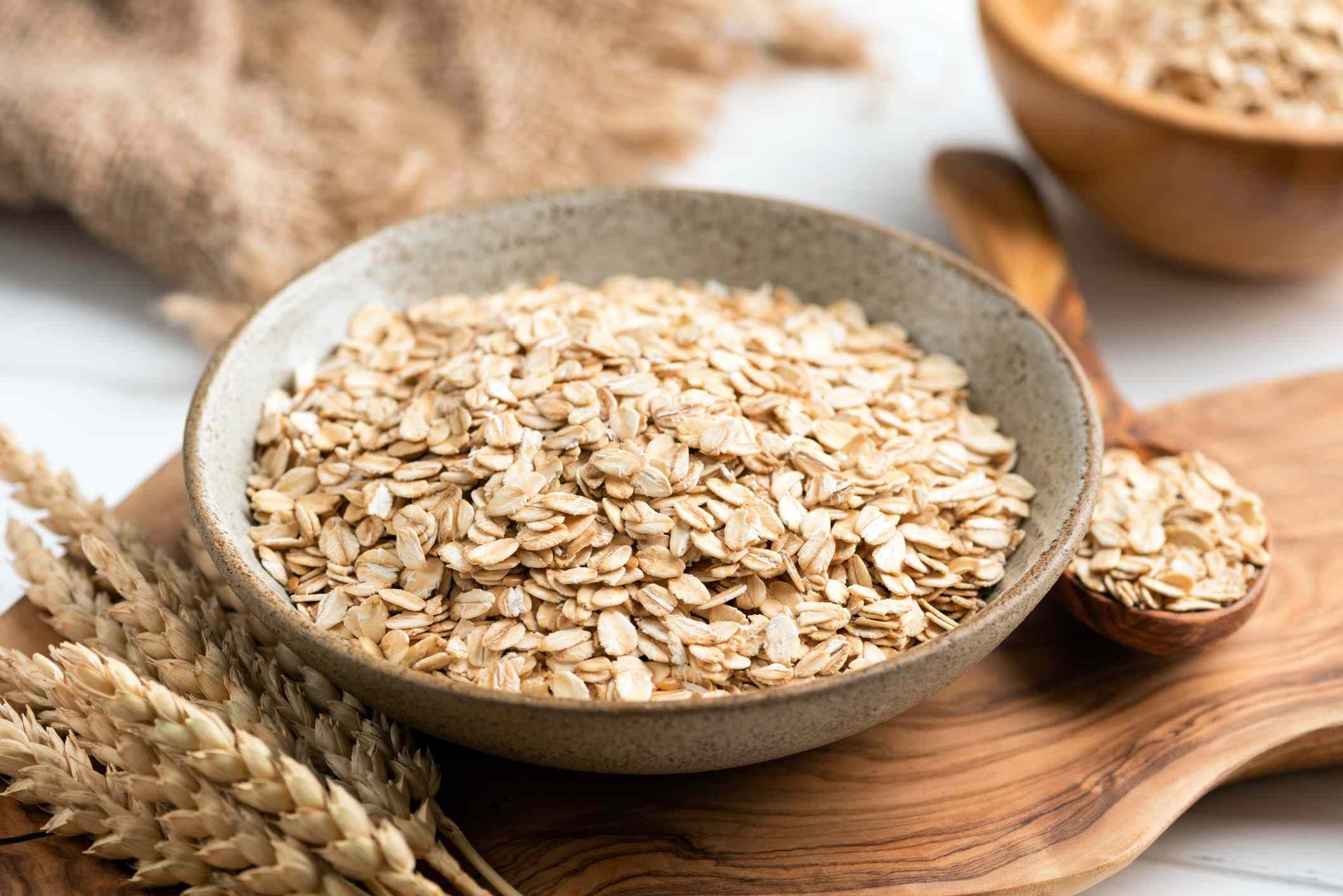
Everyone knows oats work. Soluble fiber is the mechanic here. It cleans up the cholesterol, steadies the blood sugar, fixes constipation. Boring but effective. The problem? Oats can get monotonous fast.
There’s a whole other arsenal out there. Beans. Nuts. Fish. Even avocados. The goal is the same: keep that LDL—the bad stuff—down while you’re at it. Let’s look at the options.
Legumes: More Than Just Beans
Legumes are a category, not a single ingredient. Think beans, soy, peas, lentiles, even peanuts. They pack a punch of soluble fiber. Studies are clear on this point. Eat a diet heavy in soluble fiber and the LDL drops.
Soy products deserve a specific look. Tofu, tempeh, soy milk. They might lower cholesterol directly, reducing heart disease risk alongside. The bonus? You might dodge diabetes, obesity, high blood pressure while you’re there. Win-win. Or whatever.
Vegetables: Four Servings. Not Optional
Vegetables are non-negotiable for heart health. They’re dense with vitamins, minerals, fiber. Eat them daily. Lower the LDL. Lower the risk. Simple math.
A 2020 study set the bar. At least four servings of fruits and veggies a day. That number drops total cholesterol and LDL. It even touches triglycerides and blood pressure. Don’t overthink it. Add a vegetable to most meals. Just do it.
Fruit: Pectin Does The Work
Apples, berries, citrus. These aren’t just sweet snacks. They’re functional tools. Specifically, they contain pectin. A soluble fiber that stops the liver from pumping out too much cholesterol.
Want data? Eat two apples a day. The same 2020 research found it significantly lowers LDL and total cholesterol.
Berries bring antioxidants called polyphenols. These guys fight inflammation. They lower the bad cholesterol while potentially raising the good stuff (HDL). Your heart gets quieter.
Avocado: Ditch The Butter
Avocados are fruits, technically. They’re loaded with monounsaturated fats. Good fats.
The data backs them up. One 2020 trial involved overweight and obese participants eating one avocado daily. Part of a healthy diet, of course. Result? Lower LDL and total cholesterol numbers.
Here is the trade-off. Butter is saturated fat. Animal fat. It raises cholesterol. Avocado is the swap. Mash it on whole grain toast. Use avocado oil instead of butter when cooking. Small switch. Big difference for the heart.
Fish: Fry It, And It’s Poison
Omega-3s. That’s the headline for fish. Fatty fish are the best source. Salmon. Trout. Mackerel. These omega-3s support the heart machinery.
A 2016 study noted regular consumption lowers cholesterol and triglycerides. It slashes heart disease and metabolic syndrome risks.
But watch the method. Frying it? Forget it. Fried fish carries the opposite benefit. It might actually spike your risk for heart attack or stroke. Cook it baked. Poached. Grilled. Anything but deep fried.
Nuts: Handfuls Help
Nuts are nutrient-dense bricks. Fiber, healthy fats, plant protein, antioxidants, minerals. People who snack on nuts rarely see the same heart disease rates as those who don’t.
Walnuts have a special ingredient: ALA. Alpha-linolenic acid. A specific omega-3 linked to lower heart attack and stroke risk. Almonds help raise HDL, the good cholesterol. Which naturally helps clear out the LDL over time.
Go slow. Add them in moderation. Walnuts, almonds, cashews, pistachios. They cut inflammation. They drop cholesterol.
Olive Oil: Swap The Fat Source
Extra-virgin olive oil isn’t just flavor. It’s medicine. It contains monounsaturated fats proven to slash LDL. Plus polyphenols. Those antioxidants keep inflammation low.
If your pan sees butter or margarine regularly, change the habit. Olive oil is better. Avocado oil is fine. Soybean oil works. Just get off the saturated fat treadmill.
The real question isn’t what you add. It’s what you subtract.
Getting Started
Adding these isn’t hard. You don’t need a radical overhaul overnight.
- Swap butter for olive oil.
- Throw spinach into the pasta.
- Keep an apple in your pocket.
- Eat beans instead of beef twice a week.
The list is long. The food is accessible. The body responds well to it. So why do we keep eating the same five things every day?