


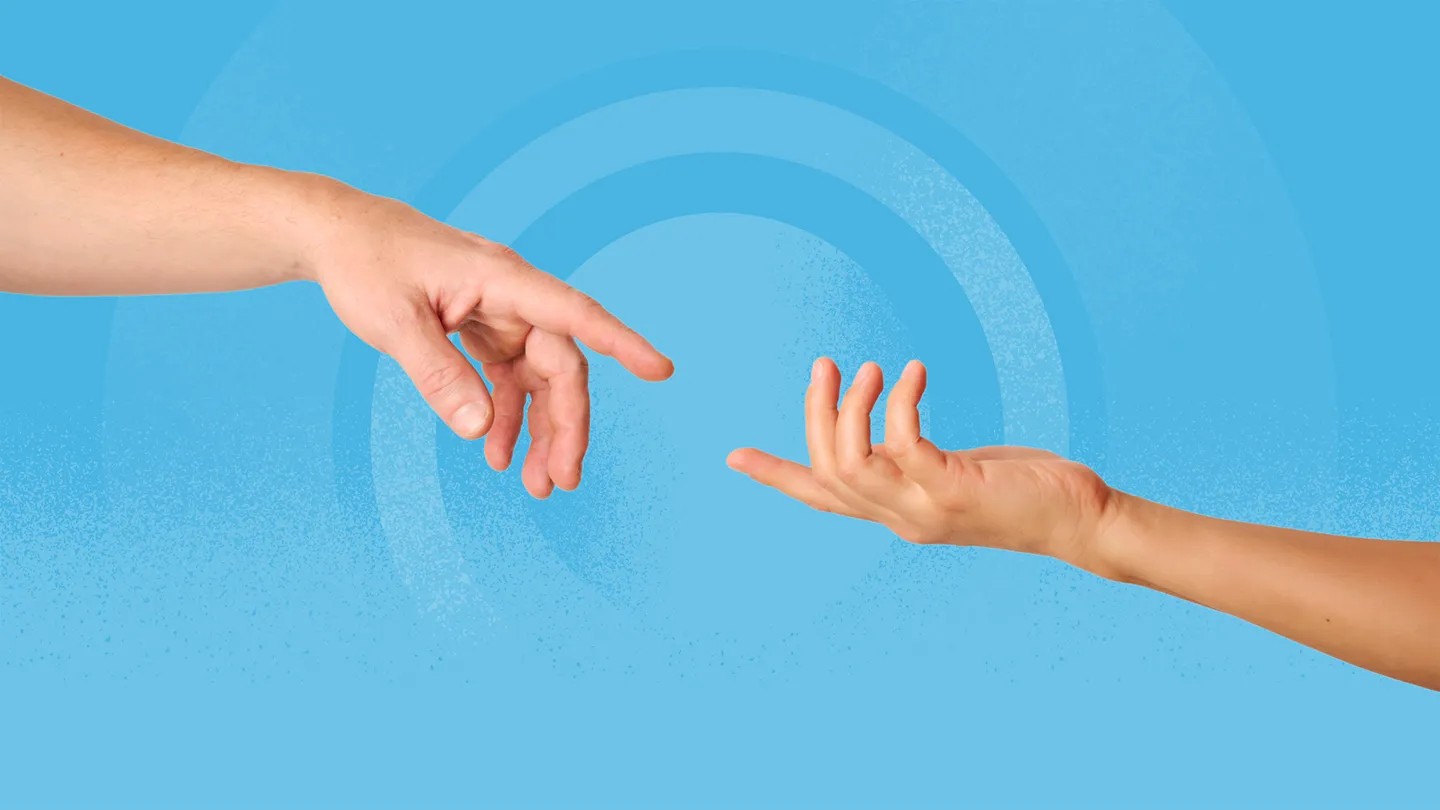
A handshake. A shoulder pat. A hug that actually means something.
These gestures feel simple, almost trivial. But biology doesn’t care about our social anxiety. We are wired for contact.
Michelle Drouin, a research psychologist in Indiana, says it plain. Touch isn’t a luxury. It’s a biological imperative. Out of Touch is the title of her book, but the premise is stark: we are suffering an intimacy famine.
Call it “skin hunger.” Call it touch starvation. The name doesn’t matter. The deficit does.
It affects us. It hurts us. And for many, the fix is harder than it sounds.
It’s Not Just About Being Alone
You don’t have to be lonely to be starved.
Dr. Drouin draws a line there. Loneliness and touch starvation overlap, sure. But they aren’t twins. You can sit in a crowded room, feeling socially fulfilled, yet remain entirely untouched. Your heart is full. Your skin is hungry.
It’s highly individual too. Some of us want constant contact. Others prefer our space. That variance is normal.
For children, researchers use the term touch deprivation. Tiffany Field, director of the Touch Research Institute at the University of Miami, tracks these impacts early. Babies separated from parents face distinct risks. The need for contact starts at birth. It never really leaves us.
Why Your Body Needs Skin-to-Skin
Affectionate touch. Defined as pleasant, voluntary contact meant to show care.
This matters for everything.
In infants, the lack of positive touch can stall language development. It can warp mental health outcomes for life. For preterm babies, skin-to-skin contact regulates heart rate. It stabilizes temperature. It builds the brain. Without it? Stress problems. Developmental delays. The cost is high.
Then there is oxytocin. The so-called “love hormone.”
Dr. Drouin explains the mechanism. Touch triggers release. In early childhood, it bonds parent to child. In adulthood, it cements trust. Social ties strengthen. Mental health follows suit.
It also drops cortisol. That stress hormone.
Keep cortisol high, and you wreck your metabolism. You spike blood sugar. Inflammation rises. Blood pressure climbs. Your sleep cycle gets trashed.
Massage therapy helps. A meta-analysis of 130-plus studies found positive touch supports immunity. It dulls pain. It lifts depression.
“The benefits of physical touch… cannot be oversold,” Drouin says. Consent is the key. Within those bounds? The benefits are plentiful.
Who Gets Left Out?
Live alone? You’re at risk.
Not dating? Same.
Western cultures complicate it further. In the US, we don’t kiss cheeks. We don’t hug strangers. We keep our distance. Other cultures integrate touch into greetings daily. Here, we isolate.
Children in orphanages face the sharpest deficit. Dr. Field’s work confirms parental touch beats healthcare provider touch for newborns every time. Separation creates vulnerability.
Six Ways to Fix It
If you’re starving, here are ways to feed the need.
1. Talk
It feels weird. Voice it anyway. Tell your friend you like hugs. Ask your partner for hand-holding on the couch. They might want it too. It’s usually not a risk.
2. Massages
Regular sessions beat one-offs. Cleveland Clinic notes stress and mood improve. Twenty minutes works. Don’t want a full-body massage? A face or scalp rub counts. The biology doesn’t check your preference. It just responds.
3. Pets
Humans aren’t the only source. Stroke a cat. Dog nudges help. One study of 400+ owners linked pet touch to higher wellbeing. Positive outlooks rose.
No pet? Volunteer. Sit a neighbor’s dog. Hit the cat café.
4. Self-Hug
Wrap your arms around yourself. Place a hand on your heart.
It’s not pathetic. A randomized controlled trial showed self-soothing touch lowered cortisol and heart rate just as much as receiving a hug from another person. It regulates emotions. It works.
5. Cuddle Parties
You’ve never heard of them? Understandable.
“Cuddle parties” aren’t for sex. Everyone stays clothed. Consent is mandatory. Dr. Drouin notes they’re not mainstream because the concept seems odd or wrongly sexualized to most.
They provide safe, platonic intimacy. Look for certified facilitators if you try it.
6. Professionals
If the hunger leads to depression or anxiety that sticks, talk to someone. A therapist or doctor. Strategies exist beyond just getting hugged.
The Reality
We are built for this.
Ignoring it doesn’t make the need vanish. It just makes the stress quiet.
Those living alone, unpartnered, or institutionalized face the brunt. The solution isn’t one-size-fits-all. Talk to friends. Find a masseuse. Hug your dog. Maybe try a party. Or maybe just accept that today, your skin will be empty again.
There’s no easy button for an intimacy famine. But there are options. Use them if you can.


