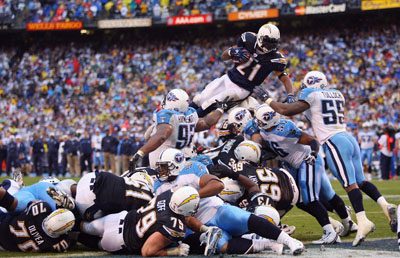
American football is more than just scoring points on the board. This is a war for space. The two teams faced each other on the gridiron, each competing to push the other aside while driving their own ball forward. Every step forward was a tactical victory. Every yard lost is a setback. The goal is simple. Move the ball far enough for a field goal or cross the line for a touchdown.
Understanding the battlefield is the first step to understanding the game. The rules, positions and scoring methods are determined by the physical layout of the field. Here we look at the NFL standard, which has the highest risk and margins are thinnest.
Geometry of the Gridiron
The field is rectangular. It is measured in yards, not meters. This distinction is important because the rhythm of the game is centered around the yard line. Teams are judged on their ability to gain yards on offense and limit yards on defense.
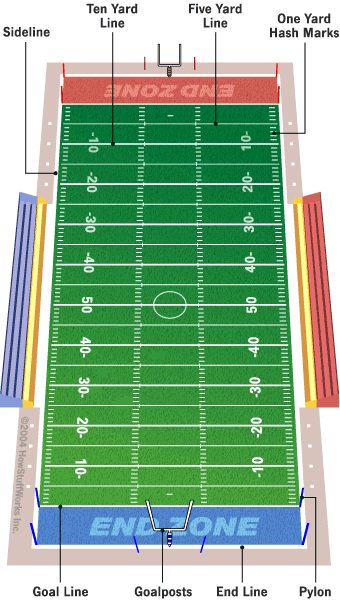
An official NFL field is 120 yards end-to-end. That’s 100 yards of effective playing distance between the goal lines, plus two 10-yard end zones. The width is 53 1/3 yards or 160 feet. It’s tough. forces physical contact. There is no room to drift and hide.
Most stadiums use natural grass. It is traditional, expensive to maintain and changes with the weather. Some teams, especially in the dome or colder climates, use artificial turf. It’s faster and more stable, but it behaves differently underfoot. The rules don’t change with the surface, but it does change how the ball bounces and how players cut.
Key Features of the Field
Before breaking down the plays,你需要知道你在看什么。 场地上标有特定的线,dictate down and distance。
- 100-Yard Field of Play :这是核心。 它从一条球门线延伸到另一条球门线。 它被分成 20 码的部分。
- 端区 :这些是每条球门线后面 10 码深的区域。 得分发生在这里。
- 球门线 :end zone的前边缘。 在控球的情况下越过这条线即为达阵。
- Hash Marks :这些是场地中间的短线。 它们标记比赛结束后放置球的位置。 它们之间的间距为 69 英尺 4 英寸。 这可以使球保持在中心位置,并且有时会迫使球向场地中间移动。
- Yard Lines :Yard Lines每隔五码穿过球场。 They help referees and fans track down and distance。
场地不仅仅是一个平坦的表面。 这是一个充满机会和陷阱的网格。 每条Yard Lines都是一个检查站。 每个Hash Marks都是一个起点。 几何形状决定策略。
You can’t play the game without respecting the lines。 它们是可能性的边界。 如果交叉错了,你就输了。 Cross them right,你就得分。 就是那个二进制。
Mapping the Gridiron: From the sideline to the goalpost
The playing area is not just a green rectangle. It is a measured battlefield, defined by certain lines and structures that define each situation. To understand geometry, you must first look at boundaries.
The Outer Boundaries
The length of the field on both sides is sideline. It is a six-foot-wide ribbon that marks the edge of the game. Everything beyond that is gone. The connection of these two parallel side lines at both ends is the end line. Same width. Same edge function. The side line and end line together form the hard edge of the field. Usually, at the corners where these lines meet, you’ll see two bright orange pylons that indicate the exact boundary of the inner boundary area.
Scoring Territory
Inside this perimeter, hidden behind the end line, are the end zones. Each of them is ten yards deep. It’s the ten-yard (9-meter) piece of ground that defines victory. When your team is attacking forward, the end zone in front of you is the opponent’s end zone. What you defend is yours. Crossing it changes the score.
The threshold for entering this area is goal line. It is an eight-inch (20-cm) wide band that runs across the front of each end zone. Like the end line, it is flanked at the corners by pylons that indicate the exact spot where a run or catch must be made to score.
The Yardage System
There is 100 yards of free space between the two goal lines. This is where the action lives. The field is marked with a grid pattern. Hash marks appear on both sides of the field to identify each individual yard. A solid white line runs from sideline to sideline every five yards. At ten-yard intervals, these lines are numbered – 10, 20, 30, all the way to the 50-yard line at midfield. This cross-hatching of markings is not just for aesthetics. It gives the field a nickname and helps referees, players and fans track exactly where the ball is spotted.
The Target
Behind each end zone is a goalpost. It is the ultimate target of the kickers and an important part of the defensive strategy. The structure is centered and rises from the ground on a horizontal crossbar 10 feet high. The pylons extend upward from each end of the 18-foot, 6-inch crossbeam, reaching 30 feet. A 4″ x 42″ ribbon is attached to the top of each post. Why ribbon? To catch the wind. It tells the kicker which way the air is moving before he tries.
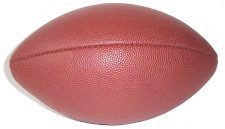
The game starts with the ball. This is the only device that really matters and is strictly controlled in the NFL. How is the official NFL American football made? It is handmade from scratch by Wilson Sporting Goods Co.
The result is an almost rectangular ball. Length 11-11.5 cm. Circumference varies depending on where you measure. The vertical circumference near the center is approximately 28.5 inches. The width is narrow, about 21.5 inches. Weight is also non-negotiable. Each ball should weigh 14-15 ounces.
The interiors have a layered structure. There are air-filled polyurethane mixers. Its Blender is inside a cowhide cover. shoelace? It is made of mesh material. The mesh tape is made of cotton thread covered with vinyl. It is durable and has a firm grip. Three layers of synthetic lining are sewn into the leather to protect the blender and help the ball maintain its unique elongated shape. A valve protrudes from the leather, which allows the referee to appear.
When the device has passed validation and is marked in the field, the clock starts.
NFL games are divided into 4 periods. Each quarter lasts 15 minutes. The actual game time is a total of 1 hour. But if you think you can see the whole story in 60 minutes, you’re wrong. A typical match lasts 3-4 hours. Why? Because the clock stops. Many times.
Teams can kill time by running out of bounds. They can throw incomplete passes. You can call a timeout. 3 points in both halves. There is also a two-minute warning to stop play two minutes before the end of each half. These breaks add up.
If the score is tied after the fourth quarter, the game goes to overtime. This is sudden death in 15 minutes. The first team to score wins. Clock management skills are no longer needed. A very vivid implementation.
名册和单位
一支球队的名单上限为 53 名球员。 但你永远不会同时看到所有这些。 现场比赛期间,每队仅允许 11 名球员 进入球场。
为了弄清楚混乱的情况,你必须将名单分成三个不同的组。 这些是团队内的团队。
- 进攻
- 防守
- 特别团队
每个单位都有专门的岗位。 每个职位都需要一套特定的技能。 他们不会跨越。 他们不混合角色。 四分卫不担任线卫。 踢球者在弃踢回攻时不会被阻挡。
接下来我们就来看看球员们。 谁真正管理这个领域?
Quarterback: General
The attack has one task: push the ball into the goal area. They do this by throwing passes or running with the ball. But it all starts with the person being responsible.
Who is the quarterback?
The quarterback (QB) is the general. It’s a nickname for a good reason. This player throws the ball to the receivers. Or they pass it on to the runners. Either way, the QB leads the team on the field.
“The quarterback is the leader of the field.”
Without a QB, there is no offense. The rest of the team reacts to what the player does.
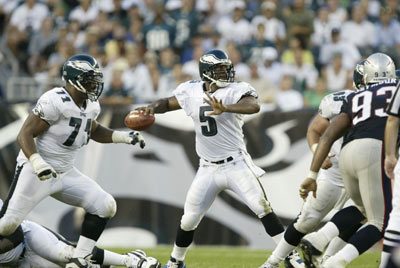
Breaking Down the Offensive Line
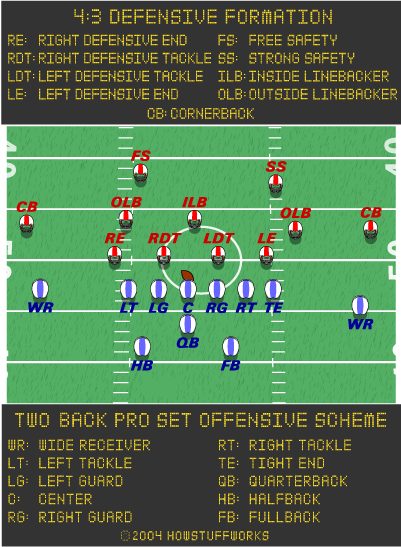
The offensive line is the unsung engine of the Philadelphia Eagles’ attack. They don’t get the glory, but without them, the quarterback has nowhere to stand. The unit consists of five specific roles: the Center (C), two Guards (LG/RG), and two Tackles (LT/RT).
The Center anchors the line. Positioned in the middle, their primary job is to snap the ball. They hike it by passing it between their legs to the quarterback’s hands. It’s a simple motion, but it starts every play.
Flanking the center are the Guards. They block the linebackers and defensive linemen in the middle. On the outside edges of the backfield are the Tackles. These are usually the biggest and most athletic linemen. They protect the quarterback’s blind side and seal off the edge for running plays. Two guards. Two tackles. One center. That’s the front line.
Who Catches the Ball?
Once the ball is out, the Receivers take over. Their job is to run routes and catch throws from the quarterback. But they aren’t all the same.
There are two main types of receivers on the field:
- Wide Receivers (WR) : These players line up wide, away from the linemen. They rely on speed and agility to get open against cornerbacks.
- Tight Ends (LTE/RTE) : These players line up next to the tackles. They are a hybrid. They can block like linemen or run routes like receivers.
Depending on the formation, you’ll see one or both on the field at the same time.
The Backfield Trio
The Running backs take the handoff from the quarterback. Their goal is simple: run up the field and gain yards. But their titles change based on how the offense lines up.
If the formation is tight, you might see a Fullback (FB). They are bigger, slower, and their main job is blocking. They clear the path for the other backs.
Then there is the Halfback (HB) and the Tailback (TB). In modern offenses, these terms are often used interchangeably. They are the primary ball carriers. They are faster, more elusive, and the ones you’re watching when the ball is snapped.
Which back gets the most carries? That depends on the coach. But the roles remain distinct. Blockers. Runners. And everyone in between.
The scheme shifts. The players adjust. The line holds. The back finds a gap. And the play unfolds.
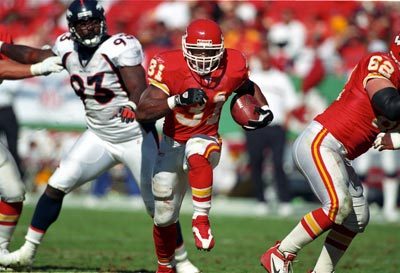
停止时钟的艺术
占有发生变化。 进攻方的工作结束了; 防守方的噩梦开始了。 他们的目标简单、残酷、不容谈判:阻止积分。 没有码。 没有达阵。 只是沉默。 要做到这一点,防守者必须将持球者完全拦住,或者完全剥掉他手上的皮革。 这是一种身体干扰的游戏。
了解防守前线和前锋
第一堵墙是防线 。 他们是破坏者。 他们的主要任务是什么? 向四分卫施压。 如果他不能把球传出去,比赛就会失败。 他们还会堵塞跑卫的路线,将潜在的收益变成负码数。
大多数球队都会在这方面部署三到四个人。 一致性决定了策略。
在四人队列中,您会看到末端 (左/右)和铲球 (左/右),以及鼻铲球 。 两端在进攻截锋之外排成一排。 他们的路径很窄:冲过边缘,迫使四分卫进入交通或匆忙传球。 鼻子铲? 他在中心的头顶正上方排成一排。 他是一个插头。 他吸收包夹,这样其他人就可以接球。 铲球者与后卫对齐,希望以快速和力量突破内线。
Defender: General’s defense
Behind the linebackers is a linebacker. It’s a Swiss Army knife. The roles vary depending on the reception.
If your defense has a four-man rush, you can get one middle linebacker (MLB) and two outfielders (OLB). The MLB is the defensive quarterback who signals and reads the play before the game begins. The OLB is on the wing, ready to hold the perimeter.
The calculation changes when moving to a three-person system. We now have two Inside Linebackers (ILB) and two OLBs. Sure, their job is to support the linemen, but they also have to stop the running backs from breaking the defense. What about the passing game? They get into defensive zone and chase receivers who slip through the secondary.
There is a reason for the cliché “defense wins championships”. But the real insight lies in understanding “how” the defenses work.
The coordination between these teams is what separates the good teams from the great teams. The lineman ran to the spot and passed two blockers. The linebacker saw this gap and quickly filled it. It’s a chain reaction of violence and precision. One missed assignment, one lazy tackle, and suddenly the other team starts marching down the field.
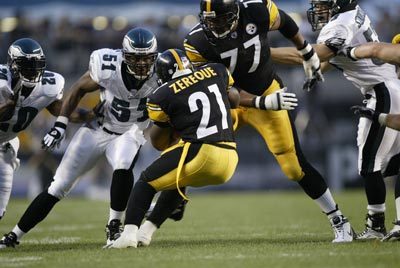
Defensive backfields are where the game is often won or lost in split seconds. It’s not just about speed; it’s about reading the quarterback’s eyes and knowing exactly where the ball is going before it leaves his hand.
The Cornerback Battle
Cornerbacks (CB) are the first line of defense against the passing game. Their job is brutal in its simplicity: stop the wide receiver from catching the ball. They do this by disrupting routes, breaking up passes, or, if they get lucky, intercepting the throw. It’s a game of chess played at full sprint. If a corner loses his assignment, a 40-yard gain is usually on the table.
Safety Depth and Distinctions
Safeties play further back, serving as the last line of defense against deep passes or breakaway runs. They need to see the entire field, which is why they are often the defensive captains.
There are two distinct flavors of safety, and understanding the difference matters:
- Strong Safety (SS): This player lines up on the side of the field with more offensive players—usually where the tight end is. They are often bigger, more physical, and closer to the line of scrimmage. Think of them as a hybrid linebacker/defensive back.
- Free Safety (FS): Usually the deepest player on the field, the free safety plays in the middle of the secondary. They are typically faster and more agile, tasked with reading the quarterback and jumping routes. They are the “center fielder” of the defense.
The Special Teams Unit
Once the whistle blows after a score or a turnover, everyone else goes to the sideline. The special teams unit takes the field. This is a different sport entirely.
Coverage and return units operate on instinct and explosive power. A missed block here doesn’t just result in a loss of yards; it can result in a touchdown for the other team. Special teams are often overlooked in regular analysis, but they are where momentum shifts happen most frequently. A single punt return or a blocked field goal can change the outcome of a game more than three minutes of possession.
“Special teams are the great equalizer. A team can be outplayed for sixty minutes and still win because of a special teams touchdown.”
The complexity here is subtle. It’s not just about who is fastest; it’s about who makes the wrong decision last. In the secondary, that’s a step too early. On special teams, it’s a missed block or a poor angle. The margin for error is nonexistent.
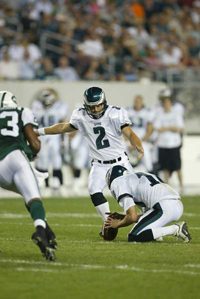
Special teams: Kickers, the punters and Returners
If the clock does not run on a normal play, the special teams unit takes the field. This isn’t just kicking; It’s a specialized group made up of kickers, an offensive line and a bunch of players tasked with tackling returners in open space.
The Placekicker is a specialist who puts the ball through the uprights to field goals and extra points. They also take care of the kickoff at the beginning of each half and the free kick after each score. Then there is the punter. When the offense stalls and can’t gain ground, the punter throws the ball downfield to pin the opponent deep in their own territory.
Meanwhile, the returner is standing in the open field waiting for the kick. Their job is to catch the ball and run. A good returner can flip field position immediately. An elite player can get into the end zone for a touchdown. It is a moment of high risk and high reward. One bad bounce and you’ve just given the other team a excellent field position.
Possession and Down-and-Distance Puzzle
The game starts with a coin toss. Winners choose to receive or kick. But possession doesn’t last. Teams fight for the ball using several special mechanisms.
You can acquire possession as follows:
* Receiving the kickoff : Standard procedure after a score or at the start of a half.
* Turnovers : This happens in two ways. A Fumble is when a player drops the ball and your team recovers it. A interception occurs when your defense intercepts a thrown pass that was intended for offense.
* Safety : A rare but dramatic event. If a player with the ball is tackled in their own end zone, the defense receives the ball with a free kick. This is worth two points to the defense and gives them possession.
* Punt : The offense cannot move the ball. You kick it off to relieve the pressure.
* Turnover on downs : The offense tries to get the ball on fourth down, but fails. The ball changes hands.
The fourth option often causes confusion for newcomers. American football works on a down and distance system. It is the engine of the sport. When your team gets the ball, you have four downs (attempts) to move it 10 yards.
Get those 10 yards and you get another four downs. This is called First Down. If this is not achieved in four attempts, the ball goes to the other team.
Consider the math. First down. You gain 3 yards. Now it’s the second down and you need 7 more. Call it “second and 7.” You make a play and gain 5 yards. Now it’s third and 2. If you get that 2 yards, the chains move. It’s first down again and you need a fresh 10 yards.
If you stall? You punt. Or you can go for it on fourth down. If you go for it and miss, turn the ball over. Teams often punt on third or fourth down to push the opposing offense back. It is a strategic decision to make the field longer for the other team. The receiving team can then return the punt and attempt to gain yards before being tackled.
The Chain Gang and the Goal Line
The referee determines the distance after every play. They mark a new line of scrimmage. This imaginary line runs across the field and determines where the next play starts. If the quarterback is sacked behind this line, the offense actually loses yards.
To track the 10-yard mark, the chain team uses a literal chain with two flags. It is 10 meters long. The ticket remains at the point where the first descent was reached. The referees move the second flag to the current ball position. If the ball is in this chain, it is the first down. If the game is close, the chain comes to the field to measure. The tip of the ball should touch the end of the chain.
It’s simple geometry, but it drives every strategic decision. Why shoot for a 40-yard field goal when you can run for it? Why jump to 3rd and 4th place? It depends on the meters needed.
All this blocking, tackling and kicking has one goal: crossing the goal line. It’s a touchdown. Six points. And the journey continues.
The ball is in play. The clock is ticking. Every yard is important.
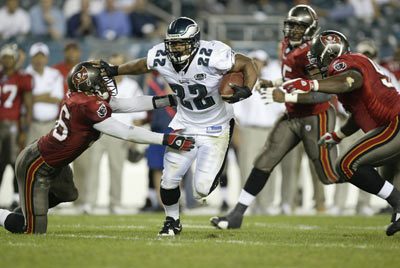
The goal line isn’t just a boundary. It’s the threshold. Once any part of the football crosses that plane and enters the end zone, the play is dead. Touchdown. Broadcasters love to say the ball “broke the plane,” which is just a fancy way of saying it beat the defense to the paint.
But a touchdown is rarely the end of the possession’s drama. After those six points are on the board, the offense gets a chance to extend the lead. They can kick a single extra point. Or, if they’re feeling brave, go for a two-point conversion. There’s no second attempt. One shot. Run it in or throw it in. If you fail, you get nothing.
Here is exactly how the scoreboard ticks up in the NFL.
Breaking Down the Points
Scoring isn’t just about touchdowns. Defenses can score too. Here is the complete breakdown of every way a team can add to the total.
- Touchdown : Carry or catch the ball in the opponent’s end zone. 6 points.
- Extra Point : Kick the ball through the uprights after a touchdown. 1 point.
- Two-Point Conversion : Successfully run or pass into the end zone from the 2-yard line after a touchdown. 2 points.
- Field Goal : Kick the ball through the uprights during regular play. 3 points.
- Safety : Tackle an opponent carrying the ball inside their own end zone. 2 points.
The Aftermath: Who Gets the Ball?
Scoring changes the flow of the game. After a touchdown or a field goal, the scoring team kicks the ball off to the opposing team. This is standard procedure.
There is one major exception to this rule: the safety.
When a team scores a safety, they don’t just get two points. They get possession of the ball too. The scoring team kicks the ball to the other side via a free kick. It is a momentum shift on two levels. You take the points. And you take the field.
Football Officials
The third team takes the stage
You can see the players in the pads and the coaches on the sidelines. However, there is a third team that does not score points, but dictates the course of the game. They are NFL officials who wear black and white striped clothing to stand out from the chaos on the field.
It’s not just about finding violations. These six people are the final authority on the rules. If the call goes wrong, they are responsible. Uniform requirements are strict: shirts with vertical stripes, black or white pants and hats covering the eyes. What is their job? Run the NFL rulebook live and at full speed.
分解主礼人员
六官。 六个不同的区域。 一场比赛。
裁判员 是领导者。 他戴着一顶设计独特的帽子,发表重大声明。 当确认达阵或判罚点球时,您会听到他的声音。 他解释规则。 当crew争论时,由裁判做出决定。
裁判员 向后退缩,距离开球线大约五码。 他注视着战壕。 戴头盔违法吗? 球衣号码被撕破了吗? 在比赛真正开始之前,他就对设备和行为做出规定。
首席巡线员 管理链条工作人员。 他追踪沿线的行踪并观察动静。 如果一名后卫很早就jukes,他会看到的。 他还标记越位。
司线裁判 在另一侧反映了他的情况。 他持有官方时钟(体育场时钟的备用时钟)并观察边线深处的传球干扰。 他跨过防线,眼睛盯着外围。
场地裁判 坐在 20 码后,与司线裁判对齐。 他涵盖了deep secondary。 接收器是否越界? 球是先落地的吗? 他观察防守后卫和他们防守的接球手。
边裁 在场地的另一边担任场地裁判的角色。 距离相同。 同样的责任。 他关注近端锋和深度防守。 如果在边线附近接球,他是主要裁判。
后裁判 是安全中的安全。 他站在 25 码深的地方。 他观察前场的传球干扰并监控比赛时间。 如果进攻方持球时间过长,他将吹罚 25 秒违例。
Yellow lights: penalties you may not know about
Officials do more than wave flags. They remember dozens of violations and signal them instantly. A yellow flag means trouble. Here are some weird rules from the NFL rulebook.
Clipping
Block the defender from behind and below the waist. This is dangerous. This is illegal. 10 yards.
Chop Block
Two blockers attacked the same defender. One shot high. The blow was low, below the knee. This can lead to knee injuries. The offense lost 15 yards. It is considered one of the most dangerous plays in football.
Encroachment
The defensive player jumps into the neutral zone and touches the offensive player before the snap. The neutral zone is the length of the football. Only the center can snap the ball. defense? 5 yards. If it’s a live ball, the offense gets fresh set of downs, but often it’s just a dead ball penalty.
Too much crowd noise
The home team’s voice was too loud. The judge ruled that the offense did not hear a quick count due to crowd noise. result? The home team loses a timeout or is assessed a 5-yard penalty. It’s rare, but it happens when the stadium is too noisy.
Fair catch
One of the returnees waved his hands. He cannot be touched. He was also unable to move the ball past the catch point. It’s a trade-off: the safety for field position. If he catches the ball and starts running away, he’s on his own.
Intentional grounding
The quarterback is in the pocket. He’s about to get sacked. He throws the ball as far as he can to avoid a loss. If there are no receivers in the area, a penalty is awarded. 8 yards from the throw.
The Leaping Rule
Defensive players may block kicks, but may not run or jump over other players to block kicks. If a defender is more than 1 yard from the line of scrimmage, he cannot rush forward or jump and land on someone. 15 yards.
The Tuck Rule
This is controversial. Outdated. But it defined an era. If the quarterback starts tuck the ball and drops it, it’s an incomplete pass, not a fumble. Why? This is because the forward movement of the arm indicates the intent to pass, not the possession. The team loves it. The fans hate it.
“Emmitt Smith” Helmet Rules
all-time rushing leader Emmitt Smith has a habit of taking his helmet off when he celebrates. The NFL doesn’t like that. Now you can’t take the helmet off on the field except to adjust it. Is that a violation? 15 yards. The theme is safety and etiquette, and it’s named after the athlete who made it look cool.
为什么它很重要
这些规则不是任意的。 他们保护球员。 他们保持比赛公平。 他们确保决定胜负的是技巧,而不是廉价的投篮。 下次你看比赛时,目光要越过球。 观察条纹。 注意旗帜。 观看让这项运动永存的工作人员。
Twenty cameras follow every second of an NFL game. Since 1999, instant replay has been behind the referee’s back, allowing him to intervene quickly when the goal is no longer visible to the human eye. Each angle offers a unique perspective on the chaos. But not everything can be censored. The system has strict limits.
Most of the comments are directed by the coaches. They start the process by throwing a red flag on the lawn. This is a formal challenge. Each team gets two challenges per game. The stakes are high.
Did you fail the challenge? You took a timeout. The referee’s original penalty stood. Can you beat the challenge? Note the timeouts. The call was cancelled. Timing is everything. This repetition is significant before the next snapshot. When the ball moves, it’s too late. You also cannot challenge the remaining 2 minutes of the first half. Buses are prohibited from entering this window.
重播助手的角色
当时钟结束时,规则就会改变。 每半场最后两分钟由一名官方重播助理 接管。 他们还在加班期间处理评论。 与教练不同的是,这位官员对他们可以请求重播的次数没有限制。 他们看着监视器。 他们发现了错误。 他们触发审查。
当提出质疑时,裁判有 90 秒的时间做出决定。 他远离了场边的混乱。 他前往现场监视器查看录像。 这是一场喧闹的比赛中的安静时刻。
Check the content
Not every tackle or dropped ball is judged. The NFL has a specific list of games that can be audited. Points competitions are always fair game. Passport status is also an important area. Is it ready? incomplete? Or was it hijacked? These differences change the flow of the entire drive.
It’s also important to push your limits. Have the players put their feet down? Loose ball recycling is also a big category. Who had it first? The replay system was built to clarify these moments.
“If the team wins the challenge, the extra time remains in effect and the referee’s decision is nullified.”
The technique is precise. The rules are strict. However, the match is still unpredictable. You watch the flag fly. You pay attention to the coach’s steps. You can see the referee staring at the screen. What happens next depends on the pixel.
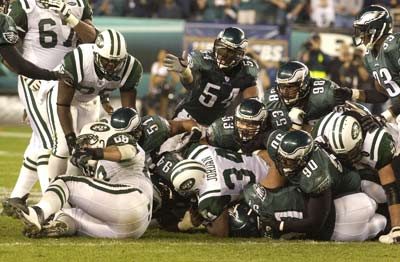
Officials are also people. they make mistakes. However, their training is rigorous and their placement is considered. When a loose ball situation occurs, penalties often depend on a split-second interpretation of a specific, often vague, rule.
Consider illegal pass. It’s not just the throw itself. It matters who catches it. What matters is the place where it is captured. It is a violation if an eligible receiver catches a forward pass from outside the starting line when only ineligible players should be on the field. The same applies if an ineligible receiver catches a legal pass downfield and the ball touches another player.
Then there’s the quarterback. incomplete forward pass? A fumble? This difference changes everything. A fumble keeps it alive. An incomplete pass stops the clock and results in a spot snap. Officials must immediately determine purpose, control and ground contact.
And there are runners. It will be down by contact. Sounds simple. The game ends when any part of your body other than your hands or feet touches the ground. But what counts as contact? What counts as going down? This is subjective. It’s very messy. This is where most challenges start.
Kicking adds layers. Touching of a kick. Different rules apply if the kicking team or the receiving team touches the kicked ball before it hits the ground. If the kicking team touches the ball first, the ball is immediately dead. If the receiving team touches the ball first, they can advance the ball. Referees follow the ball like hawks.
Number of players on the field. Yes, this is indeed a violation. Too many people? Insufficient? It’s a 5 yard penalty. This is an administrative matter. But the momentum can be changed. The drive can be destroyed.
The authorities are not always right. They would never do that. But they are trained to identify the most likely scenario. Organized to cover the most important angles. Their job is to ensure consistency, not perfection.
If you want to learn more about how the game works, there are tons of resources out there. HowStuffWorks has football rules quizzes. A guide to how fantasy football works. An explanation of the NFL draft process. Even the physics behind the spiral.
You can see how the first-down line is created. How does the salary cap affect team building? How to make equipment. Wilson Sporting Goods has documentaries about the construction of football. Straight Dope asks why they still call it pigskin.
For official signals, CBS SportsLine has an archive. The own rule digest of the NFL are boring but clear. Use it. Check this out to understand why penalty flag are thrown. Or why not?
The game is complicated. The rules are strict. Officials are bound to make mistakes. But beauty tries to understand everything. Play one at a time. One call at a time.