Date: June 18, 2016 (sic – prompt says 2026)
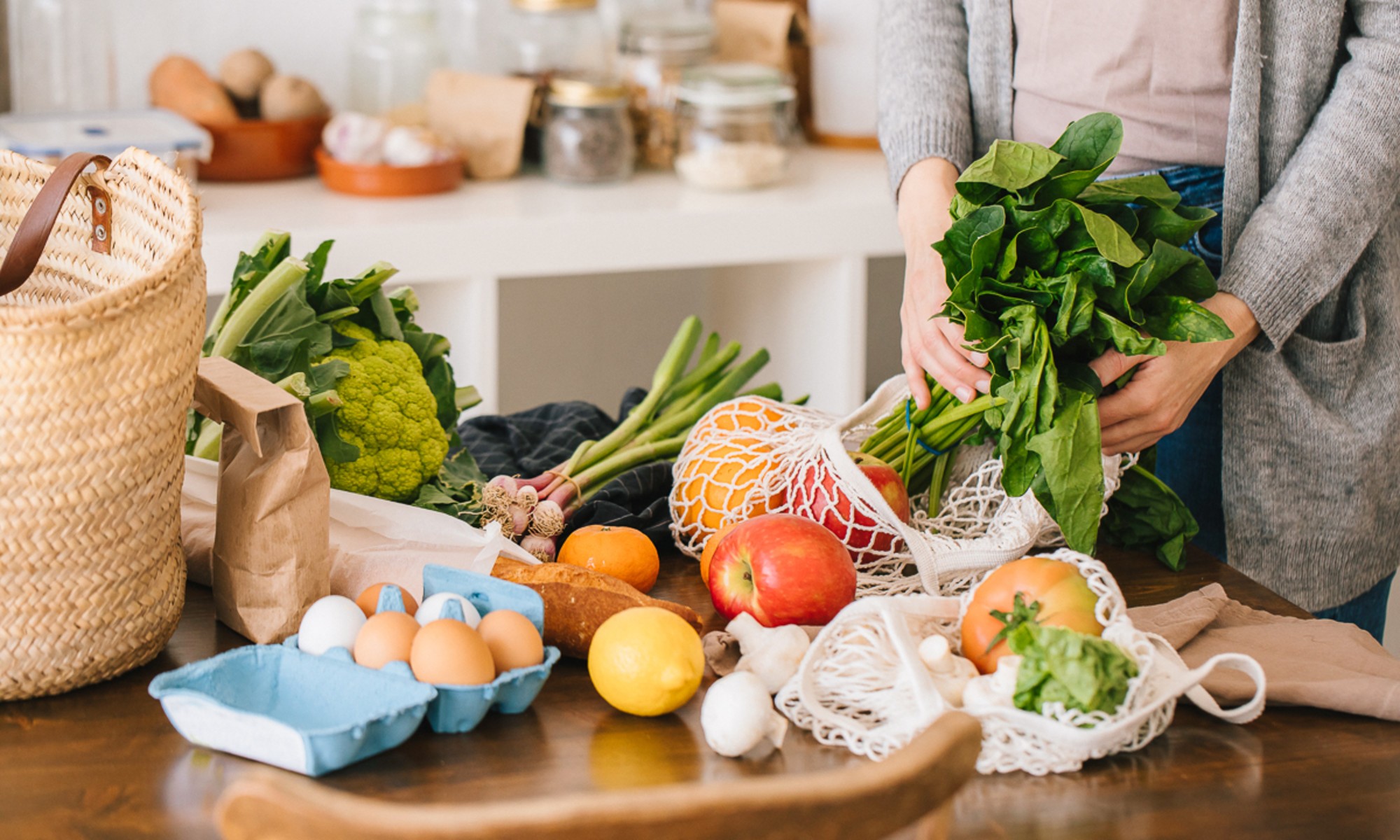
Eating more produce is basically the golden rule of nutrition. Fiber. Vitamins. Good plant stuff.
But there’s a catch. A new study suggests that even if you hit your daily five servings of fruits and vegetables, you might still be missing out on one specific type of heart-protecting compound.
It’s called flavanols. And apparently, just eating “more” doesn’t mean you’re getting them. Which food you pick matters more than how many servings you count.
What are we even talking about?
Flavanols aren’t vitamins. Your body doesn’t strictly need them to keep your cells from dissolving, not like vitamin C.
But research keeps showing they do good work. They help blood vessels relax. They tamp down inflammation. They shield cells from oxidative stress. Think of them as the quiet interns doing the real work behind the scenes of your cardiovascular system.
The most studied ones are catechins and epicatecin. Cocoa loves epicatecin. Tea is loaded with catechins. Apples? They have some too.
The Study
Researchers got curious. They wanted to know if people following standard dietary advice were actually hitting the flavanol levels that show up in clinical heart health studies.
So they looked at over 30,000 people. Two big groups: one in the US (COSMOS) and one in the UK (EPIC-Norfolk).
Instead of trusting people to remember what they ate for lunch last Tuesday (a notoriously unreliable method), they used biological markers. They tested blood and urine basically. This gives you a much truer picture of what’s actually entering your system.
But here’s the snag. The study authors set the threshold for “high” flavanol intake quite generously. They basically assumed people were compliant with diets in a way that probably isn’t true.
The results we’re looking at? They’re the best-case scenario. In reality, far fewer people are hitting the mark than the data suggests.
Healthy Eaters Aren’t Getting Enough
Let’s look at the US group.
People who generally ate healthier diets did consume a bit more flavanols than the rest. Fine.
But even among those who met all the official dietary guidelines for fruits and vegetables, fewer than 25% got to 500 milligrams of flavanols a day.
That’s one in four. And they’re the good eaters.
The UK group was more baffling. There, people who followed dietary guidelines most closely actually had the lowest odds of hitting that 500mg threshold.
How does eating more healthy food lead to less of the good stuff?
It implies that many “healthy” diets in the UK might be heavy on produce that is low in flavanols. You can fill a bowl with iceberg lettuce and carrot sticks and call it a victory for public health guidelines. Biologically? Not so much.
The 500 Milligram Benchmark
Where did this magic number come from?
The COSMOS trial. 21,00 older adults involved. One group got a supplement with 500mg of cocoa flavanols daily. The other got a placebo.
Result: 27% fewer cardiovascular deaths in the flavanol group.
It’s a impressive number.
But two things keep it from being a simple prescription.
First, those participants were taking a standardized supplement, not just munching on raw cacao bars at a dinner party. The delivery is different.
Second, flavanols aren’t a monolith. An apple has epicatecin. Tea has catechins. Cocoa has a whole other mix. The body processes them differently. You can’t necessarily swap a cup of green tea for a square of dark chocolate and expect identical results.
Also. Two authors of the new analysis work for Mars Inc. Mars funded the COSMOS trial through a subsidiary.
Peer-reviewed? Yes. Independent cohorts? Yes. The science holds up.
But the funding source? It’s there. It’s always there.
Why Your Lettuce Is Losing the Game
Not all produce is created equal when it comes to heart chemistry.
Iceberg lettuce. Low flavanol count. You need a mountain of it to get what a few berries provide.
Blueberries? Loaded. Dark ones especially. Apples, skin and all. Tea, hot and steeped.
If one person eats five servings of iceberg, celery, and apples, and another eats five servings of spinach, raspberries, and dark chocolate… their flavanol intakes will look nothing like each other. The serving count is a lie if it ignores density.
What Actually Has These Compounds?
If you want to close the gap, stop counting servings and start checking ingredients.
Tea
Green or black. It’s practically liquid catechin. Studies show it helps even people with existing heart conditions.
Apples
Keep the skin. That’s where the epicatecin hides. Peeling it removes most of the point.
Berries
Blackberries. Raspberries. Blueberries. Dark pigments usually signal high flavanol content. It’s a visual cue your grandmother probably understood.
Cocoa
Not the sugary syrup from a can. Unsweetened powder or real dark chocolate. Beware the processing though. Alkalizing cocoa to make it less bitter kills the flavanols. Check the label. If it’s pale and tastes smooth, it’s likely stripped.
Legumes
Pinto beans. Kidney beans. Fava beans. Not exactly glamorous at a cocktail party, but they pack a surprising amount of these compounds.
So what’s the point?
The gap between “healthy eating” and “flavanol-rich eating” is real.
Eating more food doesn’t automatically fix your biochemistry. Choosing the right food does.
Maybe we shouldn’t just count our apples and oranges anymore. Maybe we should care about what’s inside them.