We all hate chemicals in our kids’ food. You’d think we could agree on something that obvious. And mostly we can. But here is the trap: taking dyes out of a product doesn’t make it good. It just makes it look safer.
This is what I call the illusion of clean. We strip the obvious bad ingredient. Leave the sugar. Leave the sodium. Leave the processing. Then we clap our hands and call it a victory. We’ve become really good at making food appear healthy without actually making it healthy.
Polls show 79 percent of U.S. adults back the FDA plan to phase out eight artificial additives. Seventy-six percent are worried about dyes. But here is the kicker: only 30 percent of those same people actually check the ingredients before they buy.
The Gap Between Knowing And Buying
So why are we still buying the rainbow? Because awareness does nothing. Environment does everything. We like to believe we shop with our morals. Most of us shop with our thumbs on a remote control or standing in a grocery aisle we’ve walked ten thousand times.
Habits aren’t built by willpower. They are built by systems.
One in three parents says the standard American diet is unhealthy for their kids. Almost none of them have tried a radical change at home. They know. The knowledge doesn’t matter. What matters is what ends up in the cart. And what ends up in the cart is what was convenient.
Is a dye-free Dorito health food? No. It is a Dorito that lacks blue. A Froot Loop without red dye is still a ball of sugar. Removing color cleans the label. It does not clean the diet. Without a massive shift in how we access food or what we are willing to eat, a ban is just paint on the house. It fixes the wall. It does not fix the foundation.
Why Manufacturers Push Back
Policy changes ingredients. People change habits. And people are stubborn. Manufacturers only move if they think they’ll keep selling stuff. The market doesn’t listen to surveys. It listens to sales figures.
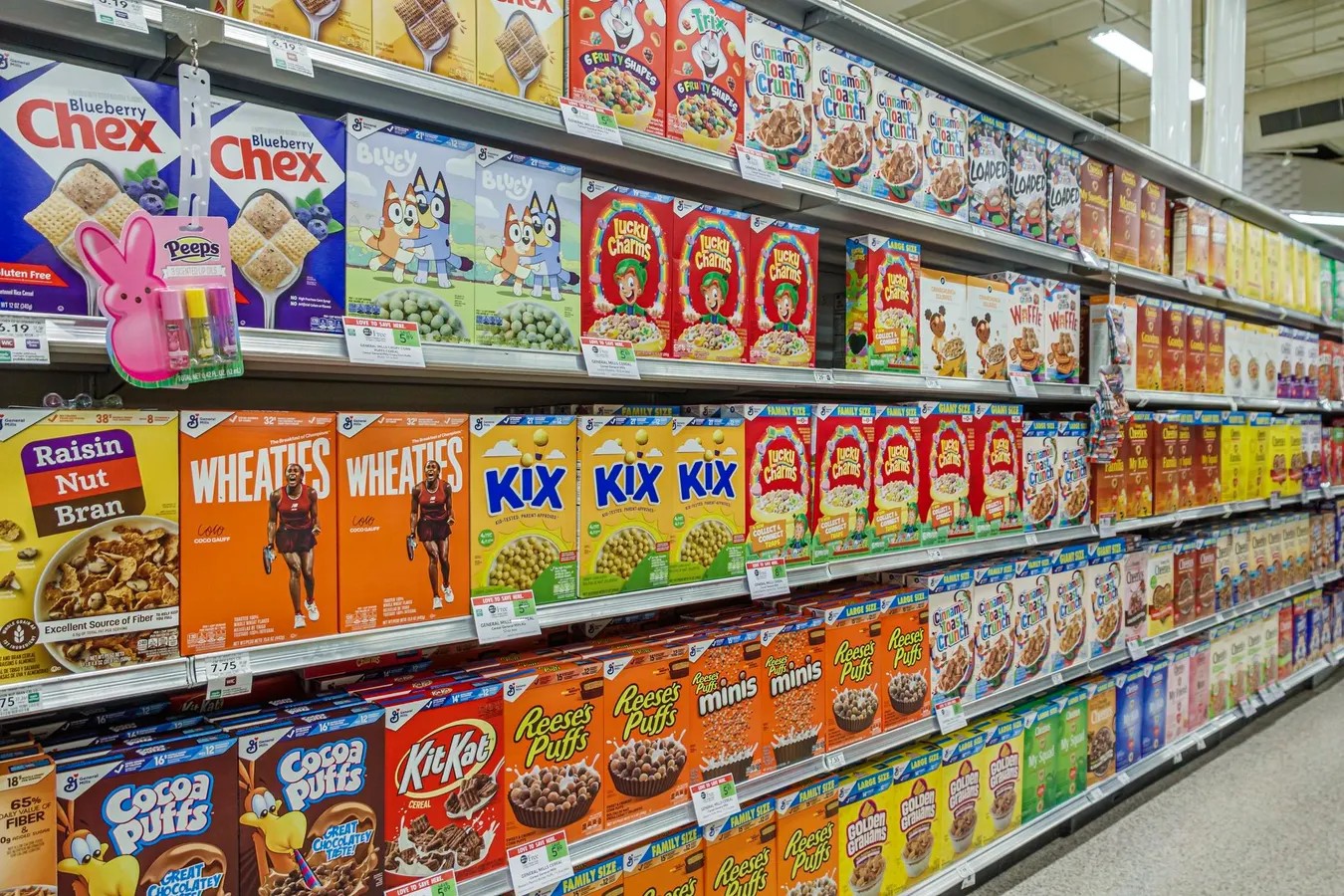
Look at Trix cereal. General Mills stripped the artificial colors in 2016. Parents cheered. Kids cried. The blue pieces turned into weird plant-based brown sludge. Children noticed immediately. They complained. Within a year? The dyes were back.
(Okay, so now they are bringing back natural-colored versions. But the lesson holds.)
It isn’t that Americans refuse to eat clean. It is that taste and brand loyalty beat an ingredient list every single time. Especially for kids. We are feeding children decades of engineered preference. Blue means berry. Yellow means banana. Break the code? They don’t buy the product. If the healthy choice is the hard choice, no one makes it.
Politics And Theater
Banning dyes polls well. It’s easy. It doesn’t threaten the deep-pocketed lobbyists controlling sugar and sodium supply chains. So politicians love it.
It’s nutrition theater. High visibility. Low impact. A win that requires no one to suffer.
If policymakers think a dye ban solves the crisis, they’re lying to themselves. It distracts from the real fights. Sugar. Sodium. Marketing to kids. Price barriers that keep healthy food out of reach. Banning dyes kicks the can down the road. Usually to never.
This moment has some rare power. The “Make America Healthy Again” crowd is pushing in the same direction as the Center for Science in the Public Intent and mainstream nutrition scientists. The CSPI called artificial colors a “rainbow of risk” long ago. Usually these groups hate each other. Right now they align. That’s potent. Don’t waste it.
An Old Story With A New Coat Of Paint
We have argued about dyes since the 1800s when industrial chemists first dumped coal tar into our bread. The cycle never changes: panic, denial, a small change, then amnesia.
I’ve seen it all. Egg whites only. Fat is bad. Now carbs are bad. Now fat is good again. Salads appeared at burger joints for a photo op and then disappeared. We chase the magic bullet. It never hits the bullseye.
Dyes are just the current flavor of the week. It feels new. It isn’t. It is the same story with brighter covers.
We can take the color out. We can make the food look less like candy and more like… well, food. Maybe slightly more expensive. Maybe slightly less appealing.
But take away the blue from a Cheeto.
It’s still a Cheeto.