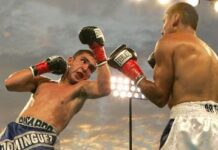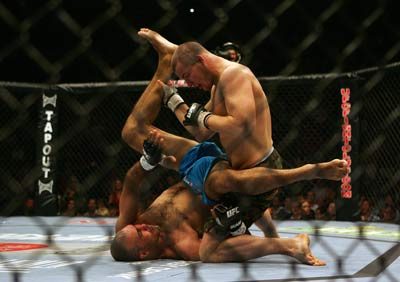
Дена Уайт бачив усе. Фінали. Супербоули. Великі платні трансляції у Лас-Вегасі. Тим не менш, він стверджує, що ніщо не зрівняється з Ultimate Fighting Championship. Це не просто хайп. Це твердження, підкріплене колосальними масштабами домінування організації у світових єдиноборствах.
UFC – це не просто промоутерська компанія. Це провідна організація у змішаних єдиноборствах (ММА), хоча шлях до вершини був далеко не гладким. Наприкінці 90-х років бренд ледь не впав під вагою громадського обурення та пильної уваги регулюючих органів. Критики називали це людськими півнями боями. Спонсори тікали. Потім було відродження. Суворіші правила. Єдині вагові категорії. Відполіроване подання. Результат? Глобальний вибух популярності, і тепер ММА сприймаються як найвищий тест на майстерність.
Але як насправді влаштований бій у UFC? На перший погляд, це нагадує бокс. Два бійці. Рефері. Раунди. Але якщо відкинути цю поверхневу подібність, відмінності стають очевидними.
У боксі ви стоїте. Ви б’єте. Ви тримаєтеся вище за пояс. У октагоні тривимірна гра. Бійці використовують удари руками, ногами, ліктями та колінами. Вони борються. Вони працюють у партері. Вони змушують суперника здатися. Поєдинок може закінчитись нокаутом, технічним нокаутом, здаванням або рішенням суддів. Складність – ось у чому привабливість. Йдеться не лише про те, хто б’є сильніше. Мова про те, хто контролює простір, темп та фізику зіткнення.
Звід правил, що врятував вид спорту
Ранні турніри UFC позиціонувалися як без правил (no-holds-barred). Це була брехня. Навіть у примітивні часи існували правила. Не можна було виколювати очі. Не можна було тягти суперника за губу. Не можна було бити в пах. Це були не рекомендації. Це була межа між спортом та вуличною бійкою.
Сьогодні Неваська державна комісія з боксу (Nevada State Athletic Commission) контролює докладний збір правил, який регулює майже всі основні турніри UFC. Існує 31 конкретне порушення. Деякі їх очевидні. Удари головою. Укуси. Проколи очей. Інші мають процедурний характер. Занадто довге утримання клітини. Використання образливої лексики. Випадання капи для скидання часу. Фіктивні травми також вважаються. Комісія хоче чистого бою, а не циркової вистави.
Порушення цих правил спричиняє покарання. Попередження. Штрафне очко. Або дискваліфікація. Мета – безпека бійців та конкурентна чесність. UFC потрібно продавати квитки та телевізійні права, а не розумітися на судових позовах.
Мандат на чистий бій
Тестування на допінг – не обговорюється. UFC дотримується політики комісії, яка забороняє як рекреаційні наркотики, так і препарати, які покращують спортивні результати. Попередні випробування перед боєм є стандартом. Якщо боєць дає позитивний результат, його знімають із карда. Місце заповнюється іншим бійцем або розклад турніру переглядається. Жодних пільгових періодів.
Післябойове тестування — те місце, де криються реальні наслідки. Якщо боєць перемагає, але дає позитивний результат на допінг, результат може бути змінений на «без результату» (no contest). Це суворе покарання. Воно позбавляє перемоги. Воно шкодить репутації бійця. Але це потрібно. Без цього довіра до виду спорту звалиться. Фанати повинні знати, що переможець заслужив на це. А не просто той, кому пощастило із хімічною перевагою.
Де відбувається дія
Ми розглянули правила. Історію. Ставки. Але де це все відбувається? У октагоні. Це не є ринг. Це восьмикутна клітка. Конструкція змушує до активної взаємодії. Неможливо сховатися у кутку. Паркан стає інструментом, бар’єром, зброєю залежно від навичок бійця.
Далі ми розберемо основи структури UFC. Як плануються бої. Як вибираються майданчики? І чому місце проведення так само важливе, як і сам список учасників.
Для отримання додаткової інформації про механіку спорту та спортивні досягнення відвідайте Sharecare.com.
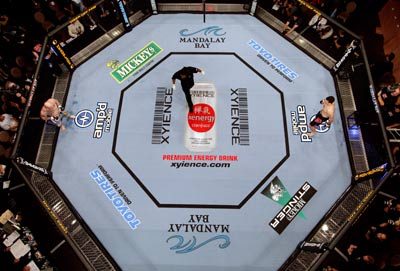
Октагон: більше, ніж просто вісім стін
У UFC немає рингу. Там використовується Октагон.
Сама назва вказує на форму. Вісім сторін. Октагональна клітка. Конструкція має діаметр 30 футів – це тісний простір, який змушує до контакту. Стіни не є м’якими амортизаторами. Це сітка з fencing-матеріалу, натягнута та невблаганна, із захисними накладками на кожному ребрі та кутку, щоб бійці не поранилися об каркас.
Усередині підлога покрита брезентом. Він індивідуально розписується для кожного окремого заходу. Щойно ніч закінчується, цей брезент утилізується. Він ніколи не використовується повторно.
Доступ суворо контролюється. Два шлюзи забезпечують вхід. Ці шлюзи блокуються відразу, як тільки починається раунд. Коли бій іде, клітина вміщує лише двох людей та одного суддю: двох бійців та рефері. Ніхто інший не має доступу.
Між раундами ситуація змінюється. Офіціанти відчиняють шлюзи. Саме на цей момент входять тренери. Вони приносять воду, рушники та стратегію. Їхнє завдання термінове. Вони дають тактичні поради наступні три хвилини. Вони чинять тиск на рани, щоб зупинити кровотечу, тому що кров може призвести до зупинки бою або засліпити бійця. Це короткий проміжок часу. Рятівне коло. Потім шлюзи знову зачиняються.
Октагон – це клітина шириною 30 футів із сітчастими стінами та одноразовим брезентовим покриттям, призначена для стримування ударів високої потужності та дозволяє обмежену взаємодію з тренером між раундами.
Чому конструкція має значення? Тому що вона змінює перебіг бою. У рингу є канати, яких можна відштовхуватися. В Октагоні у вас є стіни. Вас притискають до них. Простір менший. Темп інший. Можливість тренерів втручатися між раундами – це єдиний момент, коли клітина відкривається, що робить цей короткий доступ критично важливим для контролю пошкоджень.
Це не просто сцена. Це обмеження. І у вигляді спорту, який визначається обмеженнями, Октагон задає межі насильства.
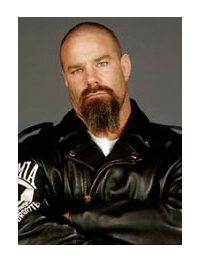
Чому клітина має форму октагону
Звучить абсурдно, доки не побачиш це наживо. Бійцям заборонено залишати клітку під час поєдинку. Не можна забиратися назовні. Не можна перекидати суперника через огорожу. Або принаймні так має бути. Танк Ебботт одного разу намагався перекинути Карла Воршама через поруччя. Це не спрацювало, але наочно показало, навіщо існують правила: потрібно утримувати дію в межах арени.
То чому ж дивна форма? У Дани Уайта проста відповідь. У ранні дні UFC головним питанням було: який стиль переможе? Бокс використовує квадрати. Боротьба – кола. Октагон був створений, щоб нейтралізувати геометричну упередженість. Кути ширші, ніж у боксерському рингу, а отже, боєць не виявляється загнаним у тісний кут без варіантів для маневру. Це змушує рухатись. Це усуває застій.
Огорожа зовні – не просто для вигляду. Воно запобігає падінню бійців назовні або їх виштовхування в натовп. Це стійка конструкція. Безпечна для бійців. Хороша оглядовість для глядачів. Жодних переваг. Лише бій.
Хто вирішує, хто з ким бореться?
UFC не має офіційних рейтингів. Жодних. Дана Уайт їх ненавидить. Він каже, що системи рейтингів захаращують процес складання пар та відчиняють двері для корупції. Натомість промоушен покладається на Джо Сілву, віце-президента та матчмейкера.
Сілва використовує власну внутрішню систему. Він аналізує стилі. Порівнює рекорди. Задає питання: хто створить найбільш захоплюючий бій? Коли боєць доводить, що заслужив на титульний поєдинок, він його отримує. Ось і все. Жодних таблиць з окулярами. Тільки результати та пари.
Пояснення вагових категорій
UFC визнає п’ять вагових дивізіонів. Не можна битися поза своєю категорією. Можна переходити вище чи нижче, але є компроміси. Перехід нагору зазвичай знижує швидкість. Перехід донизу часто позбавляє ударної потужності.
- Легка вага: 145–155 фунтів
- Напівсередня вага: 155–170 фунтів
- Середня вага: 170–185 фунтів
- Напівважка вага: 185–205 фунтів
- Важка вага: 205–265 фунтів
Мова не тільки про кількість на терезах. Важливо те, як організм переносить зміну ваги. Більшість бійців дотримуються однієї категорії з поважних причин. Фізичне навантаження від скидання ваги чи набору мас реальне.
Розбір технік
Коли лунає дзвін, все зводиться до трьох категорій. Удари. Боротьба у партері. Робота землі. Починаємо з ударної техніки.
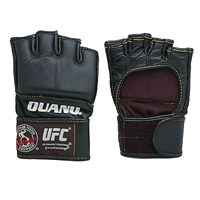
Рукавички розповідають історію ще до дзвінка гонгу. Офіційні рукавички UFC відкриті для пальців і важать лише чотири-шість унцій. Порівняйте це з рукавичками вагою від 8 до 10 унцій, що використовуються у професійному боксі, і різниця в ризиках стає очевидною. Тонкий шар набивання означає, що кожен удар несе подвійну загрозу: пошкодження супротивника та потенційна травма вашої власної руки. Бійцям доводиться діяти достеменно. Необережні удари такими легкими рукавичками можуть призвести до переломів кісток.
Ударна техніка – це не просто хаотичні помахи. Це гібридне мистецтво. Ви побачите, як боксери інтегрують коліна та лікті з тайського боксу (Муай Тай). Проте правила накладають суворі обмеження те, куди можна завдавати ці удари. Не можна бити або колоти в голову супротивника, що знаходиться на землі. Це швидкий спосіб отримати штрафні бали чи дискваліфікацію. Удари ліктем униз? Незаконні. Удари в потилицю? Також заборонено. Мета – контрольована агресія, а не вулична бійка.
Фізика звалювання
Боротьба починається з гри на землі задовго до того, як хтось опиниться на килимі. Звалення (такун) – це спроба змусити противника впасти на підлогу. Це не завжди видовищний стрибок у повітрі. Іноді це лише тонкий зсув балансу, через який ваш суперник валиться вниз. В інших випадках це кидок або “суплекс”, який виносить бійців за межі рингу.
Захист має таке саме значення, як і напад. Відводьте стегна назад, використовуйте важелі та тримайте широку базу. Хороший спреул нейтралізує спробу звалювання, зберігаючи вас на ногах. Але якщо вас таки звалили, починається справжнє випробування.
Больові прийоми та домінування на землі
Щойно бій переходить на килим, у гру вступають навички боротьби. Досвідчені борці шукають можливості для болючих прийомів. Гільйотина — класичний приклад, що перекриває кровообіг до мозку. Більшість таких утримань найефективніші, коли обидва бійці перебувають на землі. Ви у пастці, ваш супротивник займає верхню позицію, і виходу немає.
Але не думайте, що болючі прийоми застосовуються тільки на підлозі. Деякі утримання можна використовувати у стійці. Тугий задушливий прийом у стійці може закінчити бій ще до того, як він перейде на килим. Йдеться про контроль. Йдеться про ізоляцію кінцівок. Йдеться про те, щоб змусити противника здатися, бо він не має іншого вибору.
Земля – це не кнопка паузи. Це зовсім інше поле бою.
Перехід до боротьби на землі
Коли пил осідає і обидва бійці опиняються на килимі, динаміка знову змінюється. Боротьба землі менше залежить від сили і від позиції. Ви воюєте за важелі, за кути, за можливість завдати удару або застосувати больовий прийом. Це повільна, методична війна виснаження. Кожен рух прорахований. Кожне визволення – це перемога. Кожен прохід позиції — крок ближчий до контролю.
Саме перехід зі стійки у боротьбу землі часто стає вирішальним чинником, визначальним переможця чи програв. Важливою є не тільки сила удару. Важливою є здатність адаптуватися. Здатність пережити звалювання. Вміння знайти можливість у хаосі. Це брудно. Це жорстоко. І саме це робить ММА таким захоплюючим. Ви спостерігаєте, як два спортсмени намагаються перехитрити один одного, а не просто пересилити.
Правила щодо рукавичок суворо дотримані не так. Вони змушують бійців поважати небезпеку
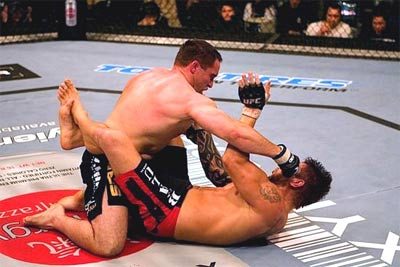
Як визначаються перемоги в UFC
Коли боєць падає на канвас, шоу не зупиняється. У цьому полягає основна відмінність ММА від традиційного боксу. На рингу нокдаун часто означає паузу, відлік та поновлення бою. У октагоні? Війна легко переходить під землю.
Бійці можуть продовжувати завдавати ударів руками, ліктями та колінами, перебуваючи в партері. Це називається ground and pound (удари з позиції партеру) не так. Або вони можуть шукати задушливий прийом. Ви знаєте, про що мова: важіль ліктя, трикутник ззаду або задушливий прийом ззаду. Мета – змусити суперника здатися. Як тільки рука чи тіло ударяються об килим, бій закінчується.
Але справа не лише в тому, хто впав сильніше. Йдеться про позицію. І для цього є своя мова.
Ви чутимете, як коментатори з одержимістю обговорюють guard (захист ногами), half guard (половинний захист), side control (боковий контроль) та full mount (повний верх). Це не випадкові модні слівця. Вони описують геометрію боротьби. Якщо Боєць А лежить на спині, а його ноги охоплюють стегна Бійця Б, то Б знаходиться всередині guard (захисту ногами) А. Якщо А зачепив одну ногу, а іншу витягнув, це half guard (половинний захист). Якщо Б лежить грудьми до грудей зверху на А, це side control (боковий контроль). А якщо Б сидить на талії А, обпрись обома ногами об килим? Це full mount** (повний верх). Це найдомінуючіша позиція. Звідти можна вільно завдавати ударів або шукати задушливий прийом.
Необхідність універсальності
Щоб перемагати в UFC, недостатньо бути лише ударником. Або лише борцем. Або лише фахівцем з партера. Потрібно бути всім трьом одразу.
Більшість бійців має свою базову спеціалізацію. Можливо, вони кікбоксери із Таїланду. Можливо, вони володарі чорного поясу із дзюдо з Бразилії. Але якщо ви знаєте лише одне, вас розберуть на частини. Навіть найсильнішим ударникам потрібно знати, як робити спрею та уникати тейкдауну. Навіть найкращим борцям потрібно вміти вставати та не отримувати нокаут у стійці.
Сучасний боєць UFC – це гібрид. Вони відпрацьовують ударну техніку по десять годин на день, а потім проводять ще вісім годин у клінчі та на килимах. Чому? Тому що бій може піти у будь-якому напрямку. В одну секунду ви обмінюєтеся джебами, а наступної — лежите на спині, намагаючись не дати супернику пройти ваш half guard (половинний захист).
Отже, як насправді виграти?
Все зводиться до трьох речей: задушливий прийом, нокаут чи рішення суддів. Якщо ваш суперник здається, ви перемагаєте. Якщо ви нокаутуєте його (або він не може продовжити через травму), ви перемагаєте. Якщо звучить фінальний дзвінок, і ніхто не здався і не знепритомнів, рішення ухвалюють судді.
Судді оцінюють ефективні удари, контроль у партері, контроль октагону та агресивність. Це суб’єктивно. Це недосконалий процес. Але це єдиний спосіб вирішити бій, що дійшов до фінального гонгу.
Ось чому тренування такі широкі за охопленням. Ви повинні бути готові завершити бій будь-якої миті. кулаками. Ногами. Або ногами, що обхопили чиюсь шию.
За додатковими запитаннями та експертними відповідями про спорт і спортивну результативність відвідайте Sharecare.com.
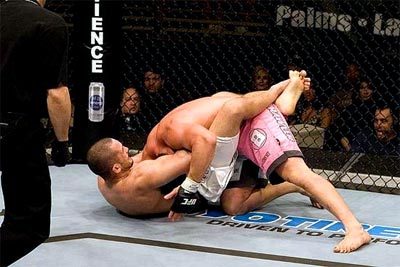
Удари. Боротьба. Це хаотичне поєднання насильства та техніки. Але в UFC укласти суперника на підлогу – це лише половина справи. Потрібно точно знати, коли пролунає гонг, що означає закінчення бою. Є два основні способи вийти із клітини із золотим поясом, і розуміння нюансів між ними відрізняє звичайного глядача від справжнього фаната.
Мистецтво больового прийому
Почнемо з тапа. Це універсальна мова капітуляції у змішаних єдиноборствах. Коли боєць розуміє, що потрапив у прийом, з якого не може вибратися, він робить одне з двох: стукає долонею по килимку або по тілу суперника, або verbally здається. Це миттєво. Це остаточне рішення.
Чому бійці роблять тап? Зазвичай це відбувається через нестерпний біль. Уявіть собі Армбар, який гіперекстенсує (сильно розгинає) ліктьовий суглоб, або лок-лок (скручування гомілкостопа), який вивертає ногу в напрямку, для якого вона не призначена. Якщо ви не можете захиститись від удару або больового прийому, ви здаєтеся.
Але справа не завжди у маніпуляціях із суглобами. Іноді йдеться про відключення світла. Задушливий прийом ззаду (rear naked choke) – класичний приклад тут. Ви не ламаєте кістки; ви перекриваєте подачу повітря або, що ймовірніше, кровотік до мозку. Суперник втрачає свідомість. Це технічний нокаут, досягнутий через больовий прийом.
Тут відбувається культурне зрушення, яке плутає сторонніх. У боротьбі чи боксі «здавання» може відчуватися як удар по кар’єрі. Але не в UFC. Тап – це чесно. Це свідчить, що ви знаєте свої межі. Це запобігає катастрофічним травмам. Здався – відновився – тренуєшся – повернувся. Це стратегічна поразка, а не моральний провал.
Технічний нокаут (ТКО)
Якщо тапа не пішов, вступає у справу рефері. Це технічний нокаут.
Фанати боксу знають восьмирахунок. Боєць падає, рефері рахує до восьми, і якщо боєць гаразд, звучить гонг, і бій триває. У UFC немає такої розкоші. Тут немає рахунку. Якщо боєць лежить, час цокає, і якщо не може розумно захищатися, бій закінчено.
Хто ухвалює рішення? Рефері. Його робота, мабуть, найскладніша у клітці. Він має у реальному часі оцінювати стан бійця. Цей боєць поранений чи заманює суперника у пастку? Він справді знепритомнів чи просто ховається? Похибка неприпустима.
ТКО може статися у будь-якій ситуації. Для ТКО не обов’язково лежати на килимі. Боєць може стояти, приймаючи удари без відповіді без захисної пози, і рефері зупинить бій. Він більше не «бореться». Він отримує ушкодження. Рефері зупиняє бій, щоб захистити спортсмена.
Ця відмінність важлива. Нокаут (КО) – це коли боєць втрачає свідомість. ТКО це коли рефері зупиняє поєдинок, бо боєць не може захищатися. Обидва варіанти призводять до перемоги атакуючого, але їх механіка різна.
«Рефері несуть відповідальність визначення стану бійця в швидко мінливих і часто хаотичних умовах.»
Принадність UFC в тому, що справа не тільки в тому, хто б’є сильніше. Йдеться про те, хто зможе чинити тиск, поки інший
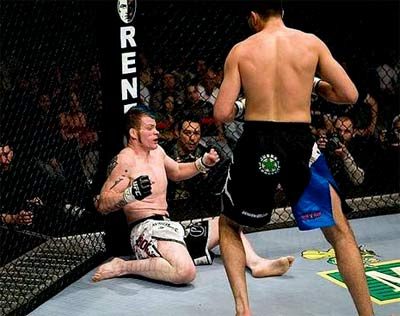
Коли звучить фінальний дзвінок, адреналін вщухає, а натовп реве, справжня драма розгортається всередині суддівських записок. Якщо жоден з бійців не здався на задушливий прийом, не був нокаутований або не програв технічним нокаутом, результат залежить від однозначного рішення (unanimous decision). Мало просто протриматись усі п’ять раундів. Потрібно довести, що ви їх виграли.
Система жорстока своєю простотою. Три судді стоять біля рингу. Вони використовують систему «10 очок – обов’язково». Переможець раунду отримує 10 балів. Той, хто програв — 9 або менше. Чому менше? Зазвичай через штрафи. Можливо, ви оступилися. Можливо, стояли та дивилися на суперника. Можливо, вам тицьнули в око. Бездіяльність вбиває раунди. Боягузливість вбиває раунди. Якщо ви не завдаєте чистих ударів або не контролюєте темп, ви втрачаєте окуляри.
Розбір типів рішень
Не кожне рішення виглядає однаково. Математика диктує заголовок.
Якщо всі три судді віддають перемогу одному бійцю, це однозначне рішення (unanimous decision). Це найяскравіший вердикт. Судді погодились. Переможець домінував. Це золотий стандарт перемоги.
Але ММА – це хаос. Судді не згодні. Іноді вони поділяють голоси. Якщо двоє суддів зараховують перемогу Бійцю А, а третій — Бійцеві Б, це роздільне рішення (split decision). Натовп вибухає. Переможця оголошено, але табір програвця вже подає скарги. Це спірно за своєю суттю.
Потім є рішення більшістю суддів (majority decision). Воно відбувається, коли двоє суддів віддають перемогу одному бійцю, а третій зараховує нічию. Це перемога, але вузька. Розрив мінімальний. Це свідчить, що один суддів не побачив переможця, тоді як інші побачили явного переможця.
Є й інші шляхи до перемоги поза суддівськими записками. Ви можете виграти технічним рішенням (technical decision). Це відбувається, якщо ваш суперник зазнав травми і не може продовжити бій після третього раунду. Бій тривав досить довго. Втрати завдано. Ви здобуваєте перемогу. Ви також можете виграти через дискваліфікацію, якщо ваш суперник порушує правила. Викопування очей. Удари по дрібних суглобах. Нелегальні удари ліктями. Рефері втручається. Ваш суперник порушив кодекс. Ви перемагаєте.
Або ваш суперник просто знімається із бою. Він не може змагатись. Хвороба. Травма перед боєм. Він здається до дзвінка. Ви перемагаєте за промовчанням. Це не так ефектно, але це зараховується.
Коли ніхто не перемагає
Не кожен бій народжує чемпіона. Іноді результат – нічия. Стандартна нічия (standard draw) відбувається, коли суддівські записки взаємно знищують один одного. Боєць А виграє два раунди по одній записці, Боєць Б виграє два по іншій. Підсумкові бали однакові. Нема переможця.
Технічна нічия (technical draw) зустрічається рідше. Зазвичай вона відбувається, якщо обидва бійці травмовані та не можуть продовжити. Рефері зупиняє бій. Ніхто не здобуває перемогу (W). Ніхто не отримує поразки (L). Це глухий кут.
Потім є бій, що не відбувся (no contest). Це ядерний варіант. Він відбувається, якщо обидва бійці порушують правила. Або якщо боєць отримує травму внаслідок нелегального прийому на початку бою. Результат анулюється. Цього ніколи не було. У статистиці значиться «бій, що не відбувся». Це розчаровує і вболівальників, і бійців.
Проблема суб’єктивності
Бої в UFC складніші, ніж бокс. Судді мають зважувати не лише чисті удари. Вони дивляться на завдані удари. Вони дивляться на тейкдауни. Вони дивляться на контроль землі. У боксі, якщо ви не б’єте, ви програєте. У ММА ви можете бути внизу і однаково виграти раунд.
Позиція внизу зазвичай слабша. Боєць зверху завдає шкоди. Але якщо боєць унизу ефективно захищається, уникає небезпеки та контролює темп на маті, суддя може віддати йому раунд. Це суб’єктивно. Це суперечливо.
Дана Уайт це знає. Він казав, що суддівство – це безладдя. Він визнає, що він вкрай суб’єктивний. Головне, на що мають дивитися судді — це шкода. Хто завдав найбільшої шкоди? Хто був агресором? Хто контролював октагон?
Не завжди ясно. Деякі раунди близькі. Деякі раунди викликають сумніви. Ви вважаєте, що виграв один боєць. Суддя не погоджується. Ви довіряєте своїм очам. Суддя довіряє системі. Результат записано.
Історія UFC сповнена таких моментів. Спірні рішення. Злі бійці. Оскаржені перемоги. Це частина спорту. Це змушує уболівальників говорити. Це робить рейтинги рухливими.
Наступного разу ми розглянемо цю суперечливу історію. Для отримання додаткових відповідей щодо спортивної продуктивності відвідайте Sharecare.com.
Історія UFC
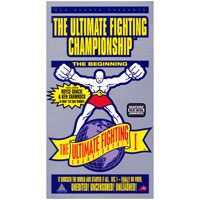
Як експеримент у бойових мистецтвах став глобальним феноменом
Все почалося із самолюбування. Принаймні на папері це виглядало саме так.
Роріон Грейсі знав, що його сімейне бразильське джіу-джитсу працює. Його не цікавили ефектні обертання чи окуляри за техніку. Його цікавив один результат – закінчення бою. Артур Деві, людина, яка заробляє на життя продажем рекламних площ, побачила у цій філософії долари. Вони запропонували Групі розважальних медіа Semaphore (Semaphore Entertainment Group) турнір без правил.
Суть була простою: насильство. Хто найкращий боєць? Ви дізнаєтеся про це, помістивши в одну кімнату експерта з карате та сумоїста і подивившись, хто залишиться стояти.
Спадщина «Виклику Грейсі»
Перш ніж пролунав перший дзвінок, ім’я Грейсі вже було написано в анналах андеграундних єдиноборств. Вони проводили «Виклик Грейсі». То справді був публічний виклик. Приходьте до нас. Надішліть нам боксера. Дзюдоїста. Будь-кого. Якщо ви зможете перемогти Грейс або одного з його учнів, ви доведете перевагу своєї школи. Це був маркетинговий трюк, безперечно, але він створював ауру таємничості. Він натякав на те, що їхнє мистецтво – це реальний бій, а не спорт.
SEG повірила у це.
UFC 1: 12 листопада 1993 року
Захід стартував 12 листопада 1993 року. Ніхто не знав, як його назвати. Співробітник SEG Майкл Абрамсон придумав назву The Ultimate Fighting Championship (Абсолютний чемпіонат з бойових мистецтв). Воно прижилося. Сьогодні ми просто називаємо це UFC 1.
Формат був жорстоким. Турнір із вибуванням. Переможець проходить далі. Той, хто програв, йде додому. Деві навіть організував запасних бійців на випадок, якщо хтось матиме надто серйозні травми, щоб продовжувати виступи. Склад учасників був сумішшю різних дисциплін. Карате. Кікбоксінг. Бокс. Джіу-джітсу. Сумо.
Ройс Грейсі увійшов до октагону. Він був молодшим братом Роріона. Невеликого зросту. Спокійний. Виглядав як бібліотекар, який заблукав.
З’явився Жерар Гордо. Дзюдоїст. Високий. Сильний.
Гордо спробував зробити кидок Ройс. Ройс ухилився. Вони впали на мат. Ройс обхопив ногами шию Гордо. Задушливий прийом ззаду (rear naked choke). Гордо швидко здався.
Натовп не закричав від захоплення. Вони завмерли. Вони не могли зрозуміти побачене. Невеликий чоловік у кімоно нейтралізував більшого спортсмена, не кинувши жодного удару.
Ім’я, що змінило спорт
Ніч пройшла успішно. SEG зрозуміла, що вони мають щось особливе. Вони не винаходили велосипед заново; вони просто продовжували крутити його. Вони зберегли назву. Вони почали нумерувати події. UFC 2. UFC 3.
Це ще не був спорт. Це була цікавість. Шоу виродків. Але це також було підтвердженням концепції. Школа Роріона тепер мала світовий бренд. А решта, як то кажуть, історія.
Хтось передбачив це?
Ні. Але, з іншого боку, ніхто не передбачив, що задушливий прийом ззаду стане найпоширенішим завершальним прийомом в історії бойових мистецтв.
Формат турніру зберігався деякий час. Потім він помінявся. Правила еволюціонували. Бренд став суворішим. Але основне питання залишилося тим самим. Яка школа переможе?
Ми досі намагаємось відповісти на це запитання.
Хаотичні перші дні октагону
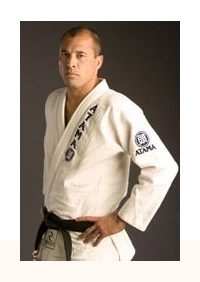
Перші кілька турнірів UFC виглядали зовсім не так, як відточені видовища, які ми спостерігаємо сьогодні. Не було вагових категорій. Борцю джиу-джитсу вагою 150 фунтів могло доводитися стояти віч-на-віч із сумоїстом. Тільки на турнірі UFC 12 вони почали визначати вагові категорії і навіть тоді ці правила неодноразово коригувалися. Бійцям дозволялося носити традиційне екіпірування, наприклад, кімоно для бразильського джиу-джитсу. Раунди були експериментальними. На деяких ранніх кардах не було обмежень у часі та ліміту на кількість раундів. Їх цікавило лише те, хто переможе, та й усе.
Гіммік «стиль проти стилю» швидко згас. Більшість боїв перейшли до партера. Багато дисциплін, представлених у перших турнірах, взагалі не готували бійців до боротьби на землі. Ройс Грейсі виграв три з перших чотирьох турнірів. Він довів свою правоту: якщо ти не вмієш працювати у партері, то ти не можеш конкурувати. Бійці адаптувалися. Вони почали включати боротьбу та больові прийоми у свої стратегії. Поле очистилося від володарів чорних поясів. UFC швидко зрозумів, що чорний пояс не гарантує хорошого бійця.
Регулювання не було повністю. Перші заходи проводились у штатах, де не було спортивних комісій, щоб уникнути контролю. Не було суддів. Коли судді все ж таки з’явилися, не було чітких параметрів для суддівства. Спочатку рефері було неможливо зупиняти бої. Їхнім єдиним завданням було дотримання кількох існуючих правил і фіксація здавання. Пройшло кілька турнірів, перш ніж UFC наділив рефері повноваженнями втручатися та завершувати поєдинок.
Турнірні формати домінували до UFC 18. UFC 9 став винятком, представивши поодинокі бої. Починаючи з UFC 18, крім UFC 23, проходили поодинокі матчі. Бійцям більше не треба було турбуватися про те, що їм доведеться битися кілька разів за один вечір.
Дана Уайт говорив, що еволюція відбувалася хаотично, бо спочатку це не планувалося. «Це шоу [перший захід Ultimate Fighting Championship] мав стати разовим. Ну, так добре розкупилося за системою pay-per-view, що вони вирішили провести ще одне, і ще одне. Ні за що вони не подумали б, що створюють вид спорту».
Фінансові проблеми та зміни правил
Правила та обмеження впроваджувалися поступово. UFC додавав їх, щоб заспокоїти критиків та спробувати легітимізувати змішані бойові мистецтва. Але на той час у SEG почалися фінансові труднощі. З UFC 23 UFC 29 SEG балансувала на межі банкрутства. Вони не мали грошей на випуск цих заходів на відеоносіях для домашнього перегляду. Контент просто зник із ринку.
Пошук скандалів
SEG просувала ранні турніри UFC як жорстокі бої між експертами з бойових мистецтв. Вони стверджували, що бої відбуваються без обмежень. Вони заявляли, що всі бої мають завершуватись із явним переможцем. Мав виявитися чудовий стиль бойових мистецтв. Оспівуючи бої як жорстокі демонстрації сили, вони привернули увагу критиків.
Одним із таких критиків був сенатор США Джон Маккейн. Маккейн, уболівальник боксу, вважав бої UFC схожими з «бойовими півнями боями». Він закликав губернаторів штатів та міську владу заборонити заходи UFC. Декілька запланованих боїв довелося в останній момент переносити в інші місця. Арени повідомляли UFC, що більше не можуть проводити там бої.
Довгий час UFC чинив опір співпраці зі штатними спортивними комісіями. Натомість SEG продовжувала просувати UFC як первісний вид спорту. Це лише приваблювало більше проблем. Деякі кабельні оператори відмовилися транслювати pay-per-view заходи UFC. Варіанти дій SEG ставали дедалі більш обмеженими. До того часу, коли UFC ухвалив правила, встановлені Комісією з контролю за боротьбою Нью-Джерсі, було вже надто пізно для відновлення SEG.
У наступному розділі ми подивимося, як нова компанія спромоглася винайти Ultimate Fighting Championship.
UFC сьогодні
У 2000 році SEG провела UFC 29: Defense of the Belts. Це був останній захід UFC, який продюсувала компанія. Компанія зіткнулася з банкрутством, а політичний тиск підірвав її здатність організовувати та просувати шоу. Два брати, Френк Фертітта III і Лоренцо Фертітта, заснували Zuffa, LLC (zuffa означає «бійка» або «скандал» італійською мовою) і купили UFC. Колишній аматорський боксер та промоутер Дана Уайт став президентом нової організації.
Лоренцо Фертітта був колишнім членом Невадської державної спортивної комісії. Незабаром комісія почала контролювати заходи UFC. Це надало UFC необхідної дози авторитету. Незабаром кабельні оператори знову почали транслювати їхні pay-per-view заходи.
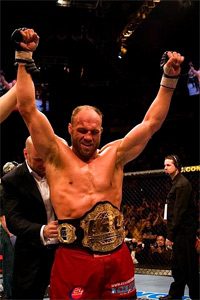
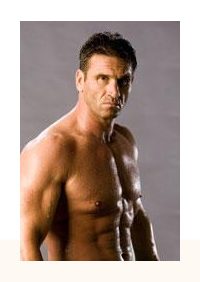
Ренді Кутюр, п’ятиразовий чемпіон, який визначив епоху стійкості та мужності, опинився у центрі уваги, коли Zuffa взяла управління лігою у 2001 році. У тому році UFC 30: Battle on the Boardwalk не просто відбувся. Він став першою подією, організованою новою групою власників, і ознаменував кардинальний зсув у тому, як цей вид спорту.
Вперше UFC повернувся до ширшого охоплення через систему платних трансляцій (pay-per-view). Повернулися й випуски на відеоносіях. Але головна історія полягала над каналах дистрибуції. Вона була у ребрендингу.
Дена Уайт мав чіткий мандат: позбутися іміджу спорту як жорстокого кривавого видовища. Він не збирався продавати варварство. Він хотів продавати змагальний дух.
«Зрештою, ці хлопці не варвари, як їх подавали на початку. Всі ці хлопці — добрі хлопці… Вони приходять, щоб змагатися та з’ясувати, хто найкращий боєць у світі».
Ця цитата Уайта була не просто рекламним шумом. То справді був стратегічний поворот. Метою було гуманізувати спортсменів. Показати, що це не бездумні забіяки, а дисципліновані конкуренти.
Прорив на кабельне телебачення з The Ultimate Fighter
До 2005 року стратегія еволюціонувала у щось набагато хитріше та ефективніше. Телеканал Spike TV показав перший сезон шоу The Ultimate Fighter.
Це не була традиційна трансляція бійцівського вечора. То справді був реаліті-серіал. Суть була простою, але неймовірно ефективною для утримання аудиторії: група претендентів на контракт в UFC жили разом, тренувалися в таборах, що змагаються, і змагалися за право підписати контракт.
Кожна серія включала бій між членами команд. Переможець залишався. Той, хто програв, йшов додому.
Чому це спрацювало? Шоу навчало глядачів. До The Ultimate Fighter більшість людей знали UFC як видовище платних трансляцій. Тепер фанати могли дивитися бої UFC на базовому кабельному телебаченні. Вони впізнавали бійців. Вони залучалися до сюжетних ліній. Їм було важливо хто переможе, а не просто те, хто кого нокаутував.
То справді був майстер-клас у побудові нарратива. Шоу не просто показувало бої. Воно створювало персонажів.
Що далі
Успіх шоу був незаперечним. The Ultimate Fighter був запланований як мінімум на два наступні сезони, що закріпило його місце в моделі зростання UFC.
Але негайний вплив уже відчувався. Бар’єр входу для нових фанів був знижений. Таємничість спорту замінювалася на доступність.
Незабаром ми подивимося, куди прямувала ця динаміка. Плани на майбутнє UFC формувалися під впливом цієї нової видимості та змінного суспільного сприйняття, до встановлення якого Дена Уайт так старанно прагнув.
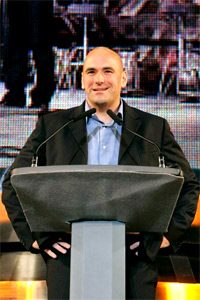
Глобальний ривок і злиття з Pride
Брати Фертітта не просто купили компанію у 2007 році. Вони придбали спадщину. У березні пролунало оголошення: вони викупили Pride Fighting Championship із Японії. Протягом багатьох років фанати ММА благали про це. Мріяні бої. Найкращі бійці Pride проти найкращих бійців UFC. Дейна Уайт каже, що час чекати більше не потрібно.
Звісно, це лише початковий етап. Але ідея вже набуває обрисів. Ми спостерігаємо пряме зіткнення титанів. Хто насправді володіє ваговими категоріями? Відповідь, можливо, скоро з’явиться на картах, доступних у вашому регіоні.
Але UFC не збирається залишатися лише у Неваді.
Штаб-квартира знаходиться у Лас-Вегасі, але стратегія змінюється. Вони хочуть проводити всюди живі заходи. Європа, Японія, Канада, Мексика. Мета – не лише телевізійні контракти. Це розвиток на місцях. Це галас.
«Коли ви привозите живий захід до якогось міста і збираєте 15 000 чи 20 000 глядачів… вони розповідають про це своїм родичам. Вони розповідають друзям. Це починає поширюватись».
Уайт не гадає. Він відстежує сарафанне радіо. Це імперативно для зростання. Для виходу на світовий ринок. Трансляції можна побачити у 170 країнах. Але чи просто дивитися на екран? Цього недостатньо. Потрібно відчувати натовп. Потрібно бачити обличчя у першому ряду. Саме там починається залежність.
Ціна квитка та гонорар бійця
Бажаєте сидіти на арені? Будьте готові заплатити.
Середня ціна квитка на UFC складає 208 доларів. Це медіане значення. Але залежно від події та міста можна знайти місця лише за 64 долари. Ціни вагаються. Закон попиту та пропозиції нещадний.
Хто виграє у грошовій грі в октагоні? Конор Макгрегор. Нині він найбагатший боєць із передбачуваним статком у 120 мільйонів доларів. Числа швидко ростуть у тих, хто приваблює натовп.
Де дивитися ММА
Не кожен може полетіти до Лас-Вегаса або Токіо. То як же дивитися бої?
Більшість подій доступні за системою pay-per-view (платний перегляд). Їх можна купити безпосередньо на сайті UFC. Або скористатися стрімінговим сервісом ESPN+. Це є. Це цифровий формат. Ви дивитеся на своїх умовах.
Але в бібліотеці є пропуск. Події UFC з 23-го по 29-те? Вони ще не доступні в комерційному прокаті. Ви не можете просто подивитися їх по стрімінгу прямо зараз. Знайдіть їх у спецвипусках The Ultimate Fighter. Подивіться у вечорах Fight Night на каналі Spike TV. Або купіть DVD. Розклад платних трансляцій виходить приблизно раз на місяць.
Розуміння легальності спорту
Люди й досі питають, чи незаконно ММА. Ні. Це один із найшвидше зростаючих видів спорту в США.
UFC популяризував його. Він вивів його на широку публіку. Він презентував легіони фанатів хаосу цього спорту. Заборони скасовано. Нещодавно, в 2016 році, такі штати, як Нью-Йорк, зняли свої попередні заборони. Спорт еволюціонував. Він гібридний. Це змішані бойові мистецтва.
Він бере елементи з боксу. Боротьба. Дзюдо. Джіу-джітсу. Карате. Муай-тай. Це набір технік, запозичених із кількох бойових мистецтв. Якщо ви новачок у термінології, ось що означає абревіатура ММА. “No holds barred” (без обмежень) не означає відсутність правил. Це означає, що змінилися правила.