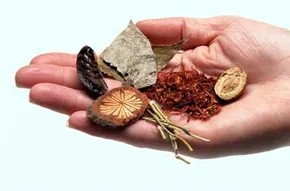
Herbal medicine is not a new concept born in modern laboratories. It is as old as humanity itself. Early humans were able to survive because they understood their environment. They learned through first-hand experience which plants would kill them and which plants would keep them alive. Some plants give strength. Some offer special therapeutic properties. These discoveries have been shared and refined over thousands of years. The result is a complex diagnostic and treatment system.
Currently, more than one million tons of herbal medicines are used in China every year. It is difficult for Westerners to understand this scale. In the West, herbal remedies often seem like the latest health trend. In fact, a standard pharmacy list contains about 450 different herbal medicines. This is a complete toolkit. From this collection, doctors use more than 250 standard formulas. Each prescription is tailored to the patient’s unique imbalance.
This process is dynamic. Herbalists start with traditional basics. Then add or remove herbs based on individual symptoms. As your health improves, so does your body’s balance. Your prescription will also need to be changed. Herbs that are no longer needed are thrown away. Add new ones to match your current situation. 30 types of herbs dominate. Tonics make up most of this volume. At the top of the list is licorice, which is used 86,000 tons per year. These data demonstrate how deeply these practices are integrated into daily health care.
Modern usage scale
The consumption of herbal medicines in China is enormous. More than one million tons of raw materials enter the market per year. This isn’t just historical practice. It is current, massive-scale application. Thirty specific herbs account for over half of this total. Most of these are supplements designed to strengthen the body. The most common is licorice, which is widely used for its calming and balancing properties.
Western observers may consider herbal medicines as an alternative or supplement. The data suggest that this is not the case in the countries of origin. This is basic. The infrastructure supports this. A wide selection of herbs enables precise customization. Clinical herbalists offer more than just tea. They analyze the patient. Choose from a library of 250 standard formulas. Then, they modify those formulas. The modification is key. It addresses the individual pattern of disharmony.
Adapt over time
Treatment is not set in stone. The patient’s condition changes. Health improves. The imbalance has shifted. Therefore, herbal preparations must be further developed. The initial program may contain herbs that remove heat and dampness. When these symptoms disappear, these herbs are removed. They are no longer needed. Instead, tonics or different regulators are added. This responsiveness is the core principle of this practice. We guarantee treatment tailored to your body’s current condition.
This approach is the opposite of fixed-dose drug therapy. Continuous evaluation is required. The herbalist observes the patient. They adjust the mix accordingly. This dynamic process is based on a deep understanding of the properties of herbal medicines. It also depends on the exact diagnosis. The starting point is always the traditional formula. But adding details makes it personal. One person’s cough may require a different herb than another’s, even if the symptoms are similar. The constitution is important. The stage of the disease is important.
Beyond the basics
The herbs available allow for subtle treatments. With a typical selection of 450 herbs, the possibilities are endless. The therapist can target specific organs, energy flows and tissue types. Both the root cause and immediate symptoms can be addressed. In this holistic view, health is seen as balance. Disease is a disturbance of this balance. The goal of treatment is to reverse it. Herbs are tools. A diagnosis is a map. The formula is the route.
This system was developed through trial and error. For centuries, millions of people have used these herbs.
Herbs aren’t just plants you randomly throw in a pot. These are systematically classified based on their interaction with the body’s internal temperature (warming or cooling). Taste is also important. It’s not just a matter of taste. Sweet herbs build up qi. Sour herbs tighten and hold. Bitterness removes moisture and heat. The pungent herb can dispel cold and get rid of stagnation. Salty herbs soften hardness and purge.
But how do doctors decide which herbs to put where? It starts with a diagnosis. Individual herbs and complex recipes are divided into categories based on certain patterns. If the patient develops kidney yang, the doctor removes the kidney yang from the “yang tonic” bucket. The treatment categories strictly follow this logic.
Targets the outer layers of the body
When the body’s protective energy fights pathogens, the battle takes place in the outer layers. Herbs that release the exterior works by pushing outwards. They prevent diseases from penetrating deep into the body.
This group of warming herbs banishes wind chill by inducing sweating and warming your body. Wind fever patients should choose cold and refreshing medicines. Instead of putting out fire, they repel heat.
Removes heat and moisture
Internal heat is not a panacea. Heat clearing herbs solve many problems. Includes hyperthermia, hypothermia, dengue fever, toxic fever, and damp heat. These cooling herbs restore the body to its base level.
Sometimes the problem is in the block. Downward draining herbs act as a laxative or a mild laxative.
Treats constipation of various degrees of severity.
They clean up the system so things can work.
Fluid retention is also a common problem.
Dehumidifying herbs remove edema (swelling) and help treat urinary tract disorders. They flush out the excess water that gets stuck in tissues.
Control blood circulation, mucus and digestion
Joint pains and skin problems are often caused by wind and humidity. Herbs that dispel wind dampness promote blood circulation. Reduces swelling and calms inflammation. For this reason, they are the mainstay of arthritis treatment.
Mucus complicates the problem. Herbs that reduce mucus and relieve cough can ease the cough reflex or remove the mucus itself. The type depends on the nature of the mucus. Hot slime requires cooling, moistening and removing the slime. Cold phlegm requires warming, drying expectorants.
As moisture invades the digestive tract, aromatic herbs enter. Aromatic herbs that transform dampness use their rich fragrance to absorb moisture. Awakens the spleen and restores digestive function.
What to do if food is stuck in your stomach? Herbs to Relieve Food Stagnation Let’s go. Removes blockages and restarts digestion.
Stagnation is not limited to food. Qi-regulating herbs clear digestive tract stagnation. It also moves Qi** stuck in the liver and relieves mental and physical tension.
Blood regulating herbs are divided into two categories: herbs that stop bleeding and herbs that increase circulation and remove stagnation. Stopping a leak or unclogging a pipe, it’s all about flow.
Warming the Core and Building Strength
Some situations call for deep heat. Herbs that warm the interior Promotes metabolism. Prevents cold and restores the “digestive fire”. This is the metabolic energy needed to process food. When this value decreases, for example due to a deficiency of Spleen Yang, the digestive capacity becomes impaired. People want hot food and drink.
For long-term health, tonifying herbs are the first choice. They are classified as yin, yang, qi or blood nourishing herbs. These are considered high-quality medicines. It prevents diseases and not just treats the symptoms. They have a nourishing and strengthening effect and are able to correct the deficiencies of important substances. It can be used in the long term to rebuild the foundation of the body.
Sometimes the body loses things it shouldn’t. Astringent herb Drains excess secretions. Used to treat diarrhoea, excessive urination and sweating. They hold things in.
Calming the Mind and Opening the Gates
Anxiety and insomnia often indicate mental restlessness. Herbs that calm the spirit have a calming effect. Treats irritability and palpitations. They are calming.
In more severe cases, you may need to regain consciousness. Herbs that open the heart contain aromatic substances, usually resins. They can regain consciousness. Some are used to treat angina pectoris and mental and physical disorders.
Herbs that clear internal wind and tremors Treats muscle spasms and involuntary movements. Helps treat high blood pressure and tremors. The goal is silence.
Parasites begin to attack with anti-parasite herbs. They destroy or drive away various invaders.
For external problems, use substances for external application. These include herbs and minerals. Many are toxic if swallowed, so they stick to the skin. Treats bruises, sprains and cramps.
The structure of the herbal preparation
Formulas are complex combinations. They deal with different aspects of disease models. No single herb can do everything.
chief herb solves the most important problems. It is usually the largest amount. Sets the direction of the expression.
deputy herb Assists the Chief. Supports the most important features. It can increase the effect or eliminate the associated symptoms.
assistant herb heals primary and secondary herbs. Can perform minor functions. This ensures that the formula works smoothly without any side effects.
envoy herb provides formulas for specific areas of the body. Or you can mix it with other herbs. It can detoxify a formula or balance its strength.
Take Ephedra Decoction. It is mainly used to treat symptoms such as wind-cold with wheezing, a stiff neck and no sweating. Ephedra is the main herb. Targets key symptoms. Cinnamon twig is your agent. It promotes sweating and has a warming effect on the body. Apricot seed is an assistant. Its focus is on rest. Licorice is a messenger. Regulates movement and prevents excessive sweating caused by ephedra.
Larger formulas may use multiple herbs for each function. The structure changes according to the complexity of the space.
Herbal medicines come in many forms. Decoctions, pills, liquid extracts, powder extracts, syrups. Decoctions are often the most effective. Then a concentrated liquid extract is obtained. The extract is then ground into a powder. Tablets are usually milder. All valid. The choice depends on personal preferences and the specific needs of the patient.
There is a cure for madness. This is not random. This is a balanced system. But is this always predictable? The body is messed up. The formula is precise. The intersection is where the healing happens. or not.
Convenience often dictates compliance. If you don’t have time to make herbal concoctions or simply can’t stand the bitter taste of boiled roots, switching to tablets or capsules is a practical option. The effectiveness of the treatment depends primarily on compliance. Capsules are more likely to be taken consistently than foul-tasting liquid.
The physical form of the herb changes the way the body processes it. The concentrated liquid extract is absorbed quickly. This makes it ideal for acute situations where immediate relief is required. Syrup, on the other hand, has many uses. It coats the throat to soothing soreness and acts as a general tonic to for vitality.
Access varies by region and by regulation. Many high-potency extracts are not sold without a prescription. Obtaining these stronger formulations usually requires a prescription or direct recommendation from a licensed health care practitioner.
This logic applies regardless of the delivery method. Accurate formulas and the right prescription, you can restore your health and vitality with notable speed. This is not just a folk remedy. It is a disciplined system. Traditional Chinese Medicine stands as a significant contribution to global health. It offers tools that modern science has only begun to fully map.
For deeper context on how these treatments work.
Understanding the Mechanism of Action
- How Traditional Chinese Medicine Works
- How to treat common ailments with traditional Chinese medicine
- Traditional Chinese medicine for cough, cold, flu and allergies
- Traditional Chinese Medicine for the Digestive System
- Chinese herbal medicine for pain relief
- Traditional Chinese Medicine for Overall Health
Master herbal decoction
Boiling is an important work of Chinese medicine. This is no ordinary tea bag dipped in a cup. This is a concentrated extract made by boiling herbs in water. This process requires patience. The taste? Intense. The aroma? Strong. A high tolerance is required for both. But if you want the most effective treatment, this is the way to go.
Pots are more important than you think
Start with a suitable container. Ceramic or glass is best. Stainless steel shows its true value when needed. However, completely avoid using iron or aluminum pans.
Why? chemical reaction. Iron and aluminum can react with the herbs and change the properties of the medicine. Aluminum is also a toxic heavy metal. It is not suitable for taking medicine or preparing meals.
3-Step Extraction Ceremony
Don’t just cook it once. It is also possible to cook 3 times. This is the standard approach.
- Starter soup: Add the herbs to the pot. Add 3 cups cold water. Bring to a boil over high heat. Reduce to medium. Cook until only 1 cup of liquid remains. This will take about 20 minutes. Strain it. This is your first dose. Let’s put that aside.
- Second Boil: The herb gets tired. absorbs water. Add 2 cups of water (not 3 cups). Boil again until only 1 cup remains. Strain. Mix this liquid into the first dose.
- Third cooking: Repeat the second and last step. Strain and stir into the pot.
You now have 3 cups of concentrated brew. Discard used herbs. Compost if possible. For acute problems, take 1 cup three times a day. Or to treat chronic diseases, take 1 cup a day for 3 days. The dosage varies according to the disease.
Why are there three short boils?
You might wonder why you should boil it for an hour. It’s all about chemistry.
Some herbs rely on volatile aromatic oils for their active ingredients. Cook for about an hour until the oil has evaporated. Gone. A 20-minute boil captures them. But hard roots? They need time. They might need that full hour to release their medicinal constituents.
So you compromised. Volatile oils can be extracted during the first short boil. You extract the hard roots in the longer cumulative time. Blending all three servings ensures a balance of flavor and active ingredients in each cup. It’s a careful dance between speed and depth.
Create immunonutrition soup
Not everyone wants to drink bitter root tea. Especially children. Some adults can’t stand the smell. Herbal medicines have a solution. Mix nutrient-rich herbs into food. Especially soup.
Some herbs are mild in nature. A little sweet. Mild enough to hide in soup. Strengthens the immune system while nourishing the body. The most common here are astragalus, Codonopsis root, yam and lotus seeds.
Easy recipes to strengthen immunity
This makes about 2 servings. It’s very simple.
Astragalus (astragalus) 10g
Codonopsis pilosula 10g
*Dioscorea opposita yam (shan yao) 10 grams
* lotus seed (Nelumbo nucifera) (lian zi) 10 grams
Process:
- Boil these four herbs in 6 cups of water. Simmer until about half of the water has evaporated. This extracts the medicinal substances into the water.
- Remove Astragalus and Codonopsis root.
No need to eat.
Yam and lotus seeds can be eaten after they have softened.
3.
Add the vegetables. Kale. Carrot. Potato. mushroom. seaweed. Regardless of the season.
4.
Cook until the vegetables are cooked. Remove from heat.
5. Add miso to taste.
Yams and lotus seeds should be soft and ready to eat. You can eat solid food. Drink the broth. It is medicine disguised as comfort.
Adjustment method
You don’t need an exact recipe for this. These four herbs can be used in any soup. First boil in water for about 30 minutes. Remove them. Use this herbal liquid as an ingredient. Add your favorite ingredients. The result is a nutritious and medicinal diet.
Background and expertise
This approach goes beyond mere folklore. It is practiced by people who understand the theory behind herbal medicines. For example, Bill Schoenbart has been practicing Chinese medicine since 1991 and has a master’s degree in the field. He teaches medical theory and herbalism at the California School of Acupuncture. He also runs a clinical practice. He knows what works in the pot.
Ellen Shefi brings a different perspective. He is a certified acupuncturist and massage therapist. He is also a registered nutritionist. He is a member of the American Academy of Acupuncture and Oriental Medicine and the American Herbal Society. He is well versed in nutrition and understands how these herbs interact with the body’s actual fuel sources.
Together they form a bridge between ancient herbal theory and modern clinical practice. Whether you’re treating a cough, pain, or simply trying to stay healthy, the approach is the same. Boil, extract and balance. Sometimes I just eat.