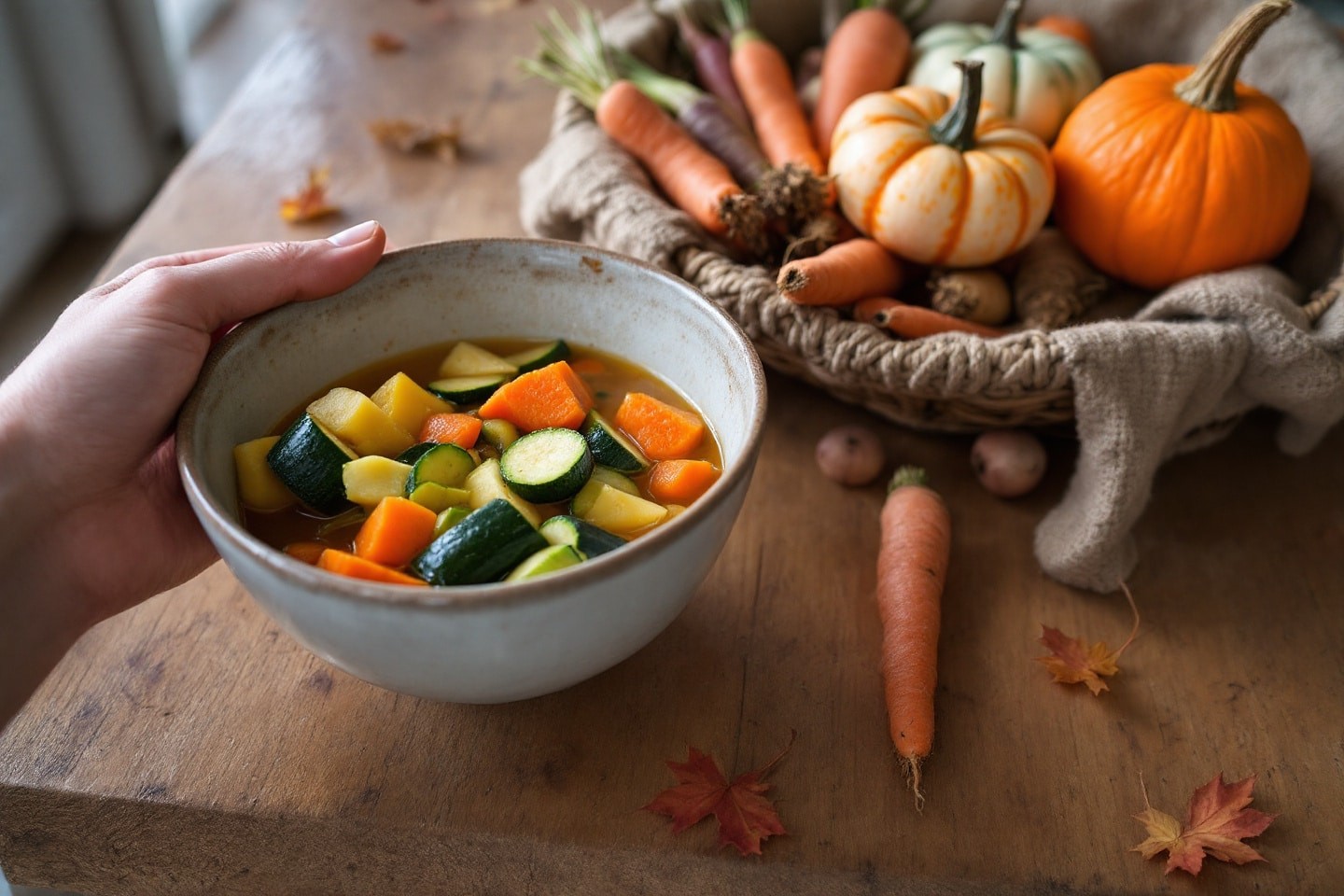
It is a crisp Saturday in October. The air smells like coffee and autumn leaves. Out on the street, a group of neighbors is gathered around a box. Inside are vegetables that look weird. Some are twisted. Some are bright yellow. One looks like a misshapen potato. They are smiling.
Next to them stands the usual supermarket shelf. It looks sterile. Perfect. Boring.
This scene shows us something new. It is a different way to eat. A different way to buy. We often think that ugly food is bad food. That is a lie. This basket of “imperfect” produce has a lot more to offer than you might think.
The Skepticism of Ugly Produce
Who would have thought a weekly delivery could change how you eat? The first time you see this box, you might doubt it. You look at the contents. There are carrots that are too thick. Pumpkins with dents. Leeks that curl in strange ways.
Your first thought is fear. You worry about waste. You worry about taste. You ask yourself: Are these really good?
But then you touch them. They are cold from the earth. They are fresh. The variety is shocking. It is not the standard yellow carrot or round apple. It is raw nature.
The imperfections are obvious. But soon, the joy of cooking takes over. You feel a strange pride. You are using the “forgotten” items. The big food chains ignore them. You are not.
Where Do These Vegetables Come From?
This brings us to a specific question: where do these fruits and vegetables come from? They are not grown to look pretty on plastic shelves.
A company called PimpUp collects these items. They are called invendus (unsold goods). They are perfectly edible. They are just rejected for a small spot, a strange shape, or an oversupply.
The process involves French producers. They care about quality. They care about seasons. You will not find kiwis in summer. You will not find tomatoes in winter. In autumn, you get pumpkins. You get pears. You get parsnips. You get kale. You get local apples.
This is good for the environment. Less energy is wasted. Less food is thrown away. It is also good for your plate. The products are harvested at maturity. They are delivered quickly. There are no unnecessary detours. It supports the local economy. It supports real flavor.
Zero Waste Cooking Without Sacrificing Taste
Cooking with odd-shaped vegetables seems like a challenge. It sounds like work. But it happens naturally. Every week, new items arrive. You have to adapt. You have to improvise.
Your kitchen becomes a playground. A twisted celery root can become the star of the dish. You stop worrying about presentation. You start worrying about taste.
Here is a simple way to start.
Vegetarian Autumn Curry Recipe
This recipe uses the “biscornus” (quirky) vegetables mentioned above. It proves that ugly food tastes great.
Ingredients:
- 1 small pumpkin (potimarron), approx. 800g
- 2 carrots
- 2 potatoes
- 1 yellow onion
- 1 garlic clove
- 20cl coconut milk
- 1 tbsp mild curry paste
- 1 tbsp olive oil
- Salt and pepper
- Fresh coriander (optional)
Instructions:
- Peel the vegetables. Cut them into irregular chunks. Do not worry about perfect shapes.
- Sauté the diced onion and crushed garlic in olive oil for three minutes over high heat.
- Add the curry paste. Mix well.
- Add the coconut milk and 20cl of water.
- Simmer on low heat for 25 minutes.
- Season with salt and pepper.
- Serve with rice and fresh coriander.
The result is warm. It is fragrant. It is joyful. It celebrates the diversity of October harvests. It also celebrates zero waste.
Over the weeks, these simple recipes work. You make colorful veloutés. You make stir-fries. You make gratins. You even make vegetable pancakes. Creativity flows. The shame of waste disappears. You use every leaf. Every stem. Every peel.
How to Change Your Shopping Habits
Bringing this box into your home changes your routine. The endless shopping lists end. The compulsive buying in aisles stops.
The content of your fridge determines your menu. The product dictates the recipe. Not the other way around.
This is a shift in mindset. You rediscover the pleasure of simplicity. You follow the rhythm of nature. It is intuitive. You can batch cook. You can make preserves. You can share large dishes. You do not get lost in the overwhelming offer of the supermarket. The basket sets the course. It goes straight to the essential.
There is no sacrifice. There is no frustration.
The Surprise of the Unknown
Monotonous plates are a thing of the past. When unpredictability becomes the norm, life gets interesting. No more meals planned to the minute. No more soulless menus.
Every basket holds a bit of suspense. It is like a treasure hunt. You always win.
The experience is social. Share it with family. Share it with friends. Guess the mystery guest of the week. Invent together. Tell the story behind each seed. Cooking becomes a moment of connection. Even kids, who are often resistant, get excited. They love the weirdness of the forgotten vegetable.
And one evening, you realize something. Nature is generous. It has many faces. No industrial machine can copy this.
Restoring the place of the imperfect is a way to reconnect with the real. The supermarket is clean. It is easy. But it is empty. The box of ugly veggies is messy. It is hard. But it is alive.
We wait for the next delivery. The soil is ready. The season is changing. What will be in the box next time?
The transformation wasn’t instant. It started with a simple act of accepting a gift. Who turns down a basket full of fresh produce? But that initial convenience quickly hardened into a habit. Receiving weekly deliveries from services like PimpUp is less about grocery shopping and more about witnessing the scale of food waste. It is also about understanding the power of collective action.
New reflexes emerge without conscious effort. You start using carrot tops for soup bases. Potato peels become crisp snacks. You learn how to store herbs so they last longer instead of rotting in the crisper drawer. These small, almost invisible gestures add up. They fill the plate while drastically cutting down on what ends up in the trash.
There is a quiet pride in this shift. It is not loud or performative. It is the satisfaction of acting on a personal scale. You are supporting local farmers. You are giving meaning to your consumption habits. This simple vegetable box becomes the starting point of a virtuous cycle. Individual pleasure merges with a broader environmental goal.
A new perspective on food consumption
The change runs deeper than taste. Sure, rediscovering the flavor of a properly grown tomato is nice. But the real story lies in the weekly victories. Less trash in the bin. More inspiration in the kitchen. Arguments and laughter around the dinner table over what to make with an unfamiliar root vegetable.
This isn’t a miracle. It is the result of consistency. It is the ability to find wonder in the mundane. Each box reveals a new balance. Cooking becomes less of a chore and more of an activity. You respect the planet by using what you buy. You stop buying what you don’t need.
Returning to the old ways feels impossible now. Supermarkets seem sterile. The produce looks identical and flavorless. You wonder where those anonymous products came from. A single basket has cracked the routine. Fresh air blows through the gap.
Giving French vegetables a second life matters. Supporting producers matters. Tasting autumn differently matters. When you open your mind to the unexpected, you change more than your menu. You change your relationship with the food.
Who will let a box of veggies disrupt their life this season?