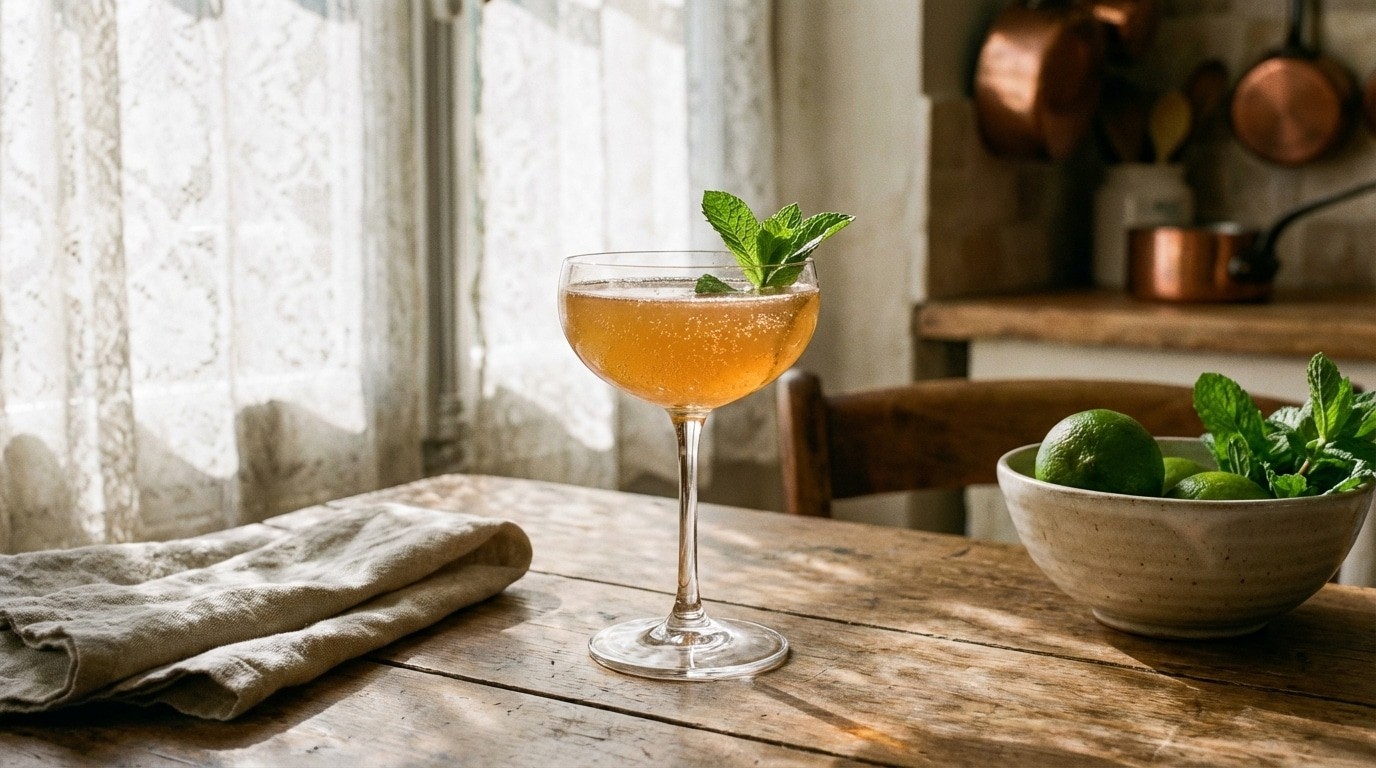
It smells like a mojito. It tastes like elegance. In a season where the weather can’t decide between hail and sunshine, this drink offers a bridge. It comes from the plush lounges of New York. Now, it is everywhere in France.
This isn’t just another trend. In a cocktail world that can sometimes feel too conservative, a drink crossing the Atlantic rarely catches on unless it hits a specific note. Balance. With a spark of audacity. The French have a taste for that.
The History of an Iconic Drink
The Old Cuban is a traveler. Created in New York by Audrey Saunders in the early 2000s, it looks familiar. It sits somewhere between a mojito and a French 75. That silhouette is chic. That combination works.
It conquered Manhattan’s demanding palates first. Then it moved. Today, it is in lounge bars and specialized spots worldwide. It has moved past novelty status. It is now a modern classic. You will find it on the most respected menus. It is one of the most ordered cocktails internationally.
Why try it? It is more than a shiny variation of the mojito. The mix of rum, fresh mint, and dry champagne creates something refined. It is sophisticated. But it remains accessible. It serves as an “adult” version of the mojito. You keep the immediate freshness. You drop the juvenile sweetness. It fits spring. A time for novelty. A time to shake up tradition.
Key Ingredients for the Perfect Mix
You cannot cut corners here. The ingredients define the drink.
- 45 ml aged amber rum (5 to 8 years old is ideal)
- 20 ml cane sugar syrup
- 25 ml freshly squeezed lime juice
- 6 to 8 fresh mint leaves
- 2 dashes Angostura bitters
- 60 ml dry champagne (or high-quality French sparkling wine)
- Cube ice
- Mint sprig for garnish
Choosing the Right Rum
The base is everything. You need an aged amber rum. Five to eight years is the sweet spot. Too young, and it lacks structure. Too old, and it overpowers the other flavors. You want the roundness of the wood. You want a hint of spice. You do not want heaviness.
You do not need to spend a fortune on an exclusive vintage. A well-balanced agricole or Cuban rum works perfectly. Find one that hits those notes without breaking the bank.
Champagne vs. Sparkling Wine
The bubbles matter. A dry champagne elevates the drink instantly. It highlights the citrus and the herbs. But if you are watching your wallet, a quality French crémant works. It fills the role. It stays affordable.
The goal is effervescence without excess sugar. You do not want a dessert. You want a cocktail. For a special occasion, use exceptional champagne. Chill it well. Serve it very cold.
Mint, Lime, Sugar, Bitters
This is where the old Cuban differs from a mojito. Do not crush the mint. In a mojito, you muddle the leaves. Here, you just drop them in. This preserves the freshness. It avoids bitterness.
Squeeze the lime fresh. Right before you use it. Minute freshness matters. The Angostura bitters add a kick. Two dashes is all you need. More than that, and you drown the character of the drink. Less, and you miss the depth.
How to Prepare an Old Cuban at Home
You need a shaker. You need time. Rushing ruins it.
Add the rum, syrup, lime juice, bitters, and mint leaves to the shaker. Fill it with ice. Shake it hard. Imagine you are inviting spring into your glass.
Here is the secret. Double strain. Use a fine mesh sieve. This catches the mint fragments and pulp. The result is a clear drink. Clean texture. Pleasant in the mouth. It looks elegant. It tastes balanced. Most people skip this step. Do not be most people.
Pour the mixture into a coupe or a stemmed glass. Top it gently with chilled champagne. The bubbles bring the final freshness. Add a mint sprig for garnish. Do not overdo the decoration. The drink is sober. The French touch enhances this modern classic.
The result is not just a cocktail. It is a statement. The effervescence lingers. The structure holds. It is spring, bottled.
And yet, the debate continues. Is it a mojito’s sophisticated cousin? Or is it something entirely its own? The glass says it is new. The palate says it is familiar. Maybe that is the point.
The Old Cuban is essentially a mojito that got an upgrade, but that upgrade is entirely up to you. The structure is rigid, yes, but the ingredients are flexible. You don’t need to stick to the textbook if your palate screams otherwise.
Tweaking the Base: Alternatives and Modern Twists
Why settle for the standard when you can experiment? Some bartenders swap the champagne for a high-quality Crémant from the Loire Valley. It’s cheaper, it’s local, and it offers a subtle sweetness that doesn’t fight the drink. Others ditch the lime for regular lemon. It changes the acidity profile, making it brighter, sharper.
And the bitters? Angostura is the traditional choice, but an orange bitters can bring a floral, citrusy note that feels more modern. For something exotic, try a few drops of vanilla-infused rum or cinnamon-infused rum. It adds warmth. It adds depth.
The goal here isn’t to hide the champagne. It’s to preserve the delicate balance between freshness, acidity, and roundness. If you mask the bubbles, you’ve failed. The champagne is the star. The rest are supporting actors.
Food Pairings: What to Serve with an Old Cuban
This cocktail is light. It’s airy. It has a sharp, acidic bite. That makes it incredibly food-friendly.
- Savory Starters: Think refined tapas. Ceviche cuts through the sweetness and highlights the citrus. Smoked salmon canapés on blinis work beautifully because the richness of the fish complements the rum and sugar.
- Desserts: Don’t overlook sweets. Desserts that feature lemon or exotic fruits extend the drinking experience. They keep the flavor profile on the same plane as the cocktail.
It’s not just a drink. It’s an appetizer. A finisher. A conversation starter.
Pro Tip: How to Infuse Mint Without Bitterness
Most people muddle mint too hard. They bruise the leaves into submission, releasing chlorophyll and bitter compounds. That’s a mistake.
Here is the trick: Let the mint steep in the shaker with the spirits for a few minutes before mixing.
This cold extraction pulls out the aromatic oils without crushing the plant material. You get the scent. You get the flavor. You don’t get the grassy, unpleasant bitterness.
Adjust the sugar and acid based on your lemon. Lemons vary. Some are sweet. Some are sour. Taste as you go.
Finally, add the champagne at the very end. Serve it immediately. Double-strain the drink through a fine mesh. This isn’t a gimmick. It removes the tiny ice shards and mint bits. It makes the texture silky. It makes it clear. It makes it look like it came from a French high-end bar.
Why It Works Now
The Old Cuban works because it respects tradition while allowing for innovation. It’s a mojito, but lighter. It’s French, but American in spirit. With spring arriving, the lighter profile fits the season perfectly. It’s not heavy. It’s not cloying.
It invites you to play. To tweak. To make it yours.
The classic has its place. But the classic also has room to grow.