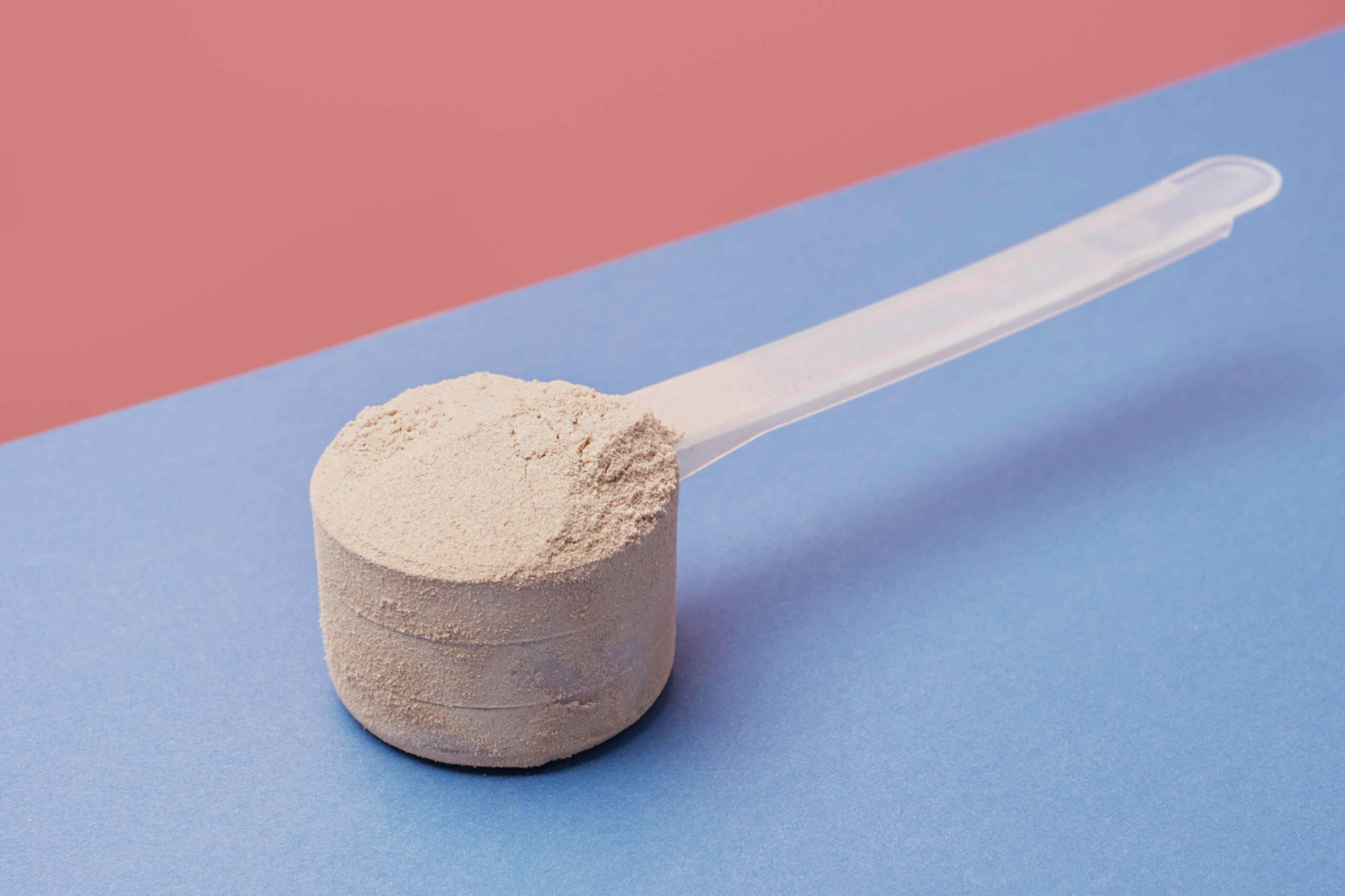
You want to build muscle. You want to save time. So you grab a shaker. But is that scoop a day safe, or are you courting trouble?
For most healthy adults, protein powder isn’t poison. It’s generally safe when you stick to the recommended amounts. But there’s a difference between fueling your body and flooding it. Get too much protein, especially from isolated supplements, and complications creep in over time.
So, where is the line?
The Sweet Spot for Daily Intake
Let’s get straight to the point. There are no definitive long-term safety studies that set a hard cap on protein powders. Manufacturers know this. That’s why you need to check the label.
For whey protein and most standard powders, the recommended daily intake sits between 20 to 40 grams.
Why that range? Because anything exceeding 40 grams starts to show cracks. We’re talking about worsened acne and digestive hell. Bloating. Cramping. The usual suspects.
If you’re hitting the gym hard, don’t dump it all at once. Spread your protein doses every 3–4 hours throughout the day. Your body handles it better this way. You minimize side effects. You absorb more.
And remember, that powder isn’t pure protein. It contains additives. Sugars. Fats. Preservatives. These aren’t neutral. They affect your health in ways a simple gram count doesn’t capture.
The Kidney Myth vs. Reality
This is the big fear. The internet screams that protein destroys kidneys. Is it true?
If you have chronic kidney disease (CKD), or risk factors like diabetes, high protein intake is dangerous for you. Your kidneys struggle to filter the byproducts of protein metabolism. If you fall into this category, talk to a healthcare provider before you touch a scoop. Early kidney disease has no symptoms, after all.
But what about the rest of us? Older studies suggested high protein intake damaged kidneys in “healthy” people. Recent research hasn’t backed this up. The evidence is thin. There’s insufficient proof that long-term protein powder use causes kidney failure in people with normal kidney function.
Short-term studies don’t tell the whole story. But the immediate panic? Unfounded for the majority.
How Much Protein Do You Actually Need?
Why take the powder in the first place?
Usually, it’s one of three things:
1. Preventing deficiency.
2. Building muscle mass.
3. Preserving lean mass during weight loss.
Your needs depend on your goal.
Preventing Deficiency
If you just want to avoid being deficient, the baseline is low. Women need about 48 grams per day. Men need 56 grams. You can hit this with whole food alone. If you can’t, protein powder or liquid supplements bridge the gap.
Building Muscle
Here, the numbers jump. You need 1.4 to 2.0 grams per kilogram of body weight daily. That’s a significant increase over the baseline.
Retaining Mass in a Deficit
Athletes in a caloric deficit need more. Up to 3.1 grams per kilogram per day. Why? When you eat less, your body looks for fuel everywhere. Protein helps it ignore your muscle tissue. It’s a shield.
Side Effects to Watch For
You’ve hit the limit. Too much powder leads to specific, tangible side effects. Keep an eye out for:
- Digestive distress: Bloating, gas, diarrhea. Lactose intolerant? Whey might be your enemy.
- Skin issues: Acne flare-ups. Hormonal responses to certain proteins or added sugars.
- Nutritional gaps: Relying too heavily on processed powders can crowd out whole foods. You miss out on the fiber and micronutrients found in real meat, beans, and eggs.
The Bottom Line
There is no single magic number that works for everyone. It depends on your weight, your goals, and your health history.
20-40 grams is a safe starting line. Don’t rush past it. Listen to your body. And remember, powder is a supplement, not a substitute. Real food is still king.
Or is it? That’s a debate for another day.