Чи може лікопін з томатів захистити мозок від хвороби Паркінсона?
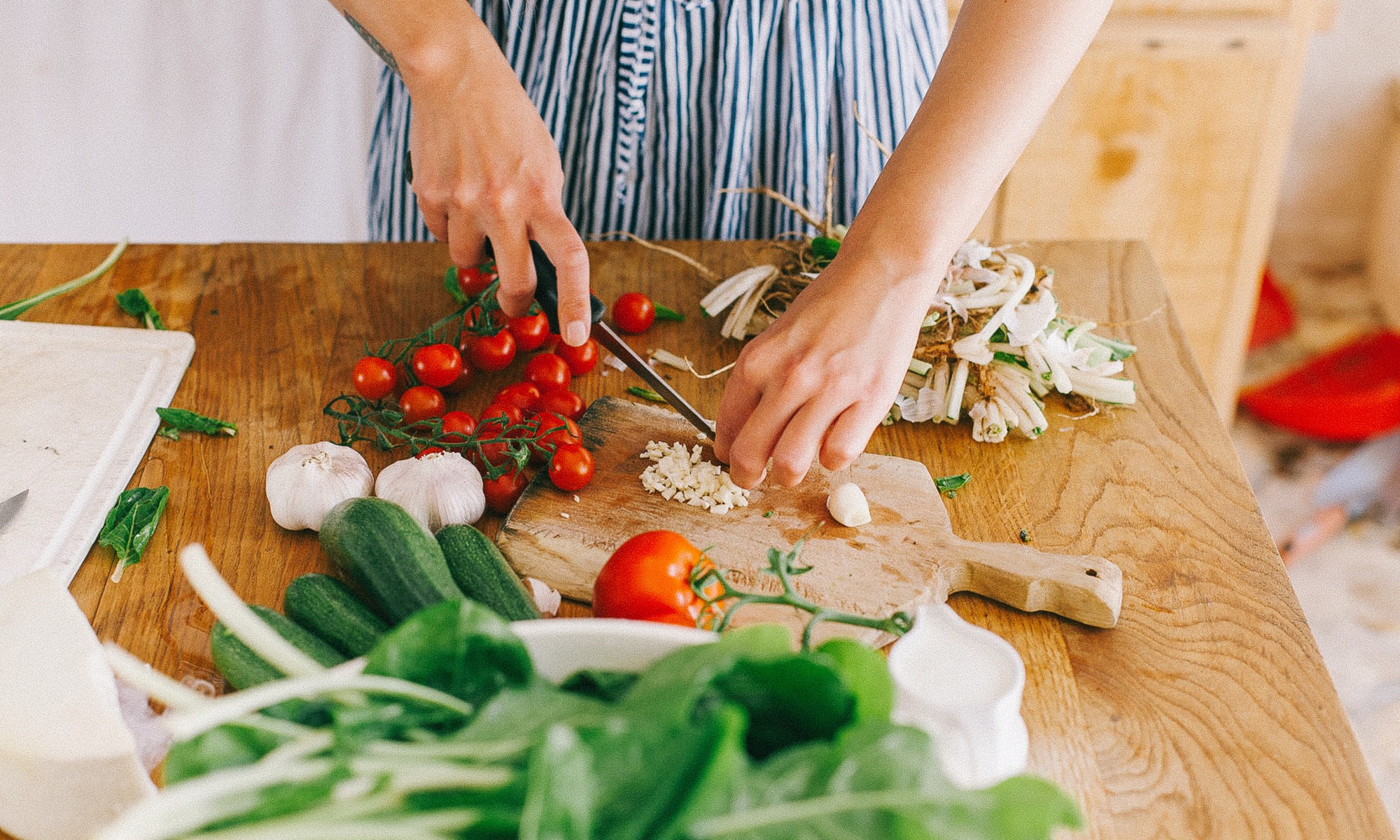
Літо офіційно настало. Моя стрічка переповнена салатами з томатів сортів для зберігання, тарілки з бурратою. І так, естетика “tomato girl summer” мені близька і зрозуміла.
Але мене тут цікавить не лише візуальна сторона. Мене цікавить наука.
Нове дослідження¹ передбачає, що лікопін — потужний антиоксидант, який надає томатам насичений червоний колір, — може робити більше, ніж просто підтримувати сяйво шкіри. Можливо, він здатний захищати клітини мозку від ушкоджень, пов’язаних із хворобою Паркінсона.
Перш ніж ви почнете пити томатний сік галонами, погляньмо на дані. Незважаючи на перспективні результати, вони потребують важливого контексту.
Що насправді зробили з мишами
Ось що саме зробили дослідники.
Вони створили модель хвороби Паркінсона у мишей. Схема всім знайома: прогресивне неврологічне захворювання, що характеризується втратою дофамінових клітин у мозку.
Деяким із цих мишей давали лікопін. Інші його не отримували.
Потім вчені взялися до справи. Вони спостерігали за всім: рухом, балансом, цілісністю тканини мозку, рівнем дофаміну?
Особливу увагу привернув один конкретний білок: транспортер дофаміну (DAT).
Уявіть, що DAT це переробний завод. Щоразу, коли мозок надсилає дофаміновий сигнал, DAT захоплює залишки хімічних речовин, щоб вони могли бути використані знову. Це забезпечує плавну роботу системи. Коли цей механізм переробки дає збій, передача сигналів дофамінів порушується. А нейрони, які виробляють дофамін, стають вразливими. Проста мета для пошкоджень.
Головне питання: чи може лікопін допомогти підтримати цей тонкий переробний процес?
Що насправді показали дані
Миші, які споживали лікопін, не просто виглядали краще. Вони працювали краще.
У тестах на рух та баланс вони стабільно перевершували групу без лікування. Але реальна історія розгорталася всередині їх мізків.
Дофамінові нейрони переважно збереглися. При хворобі Паркінсона ці клітини мають поступово відмирати. У групі з лікопіном? Не так уже й сильно.
Дослідники виявили, що лікопін, схоже, підвищував рівні DAT.
«Лікопін, мабуть, збільшував рівні DAT…»
Це свідчить про здоровіший цикл передачі дофаминовых сигналів. У оброблених мишей також знизився окислювальний стрес. Окислювальний стрес є однією з головних біологічних причин клітинних ушкоджень при хворобі Паркінсона.
Важливо відзначити, що лікопін діяв не просто як універсальний антиоксидант, що розкидає щити всюди. Він, схоже, вплинув на специфічний шлях, критично важливий для виживання нейронів. Це нюансований, специфічний механізм. Не просто «антиоксиданти гарні, хвороби погані».
Чому не можна просто «з’їсти» хворобу Паркінсона (поки що)
Пауза. Зробіть глибокий вдих.
Це було дослідження на мишах.
Ми не миші. У мишей інший метаболізм, інша тривалість життя та інша хімія мозку. Ми не можемо робити висновок, що вживання трьох томатів на день запобігатиме хворобі Паркінсона або сповільнить її прогресування у людей. Поки що – ні.
Тим не менш, це дослідження допомагає вченим картувати біологічні шляхи. Розуміння того, як лікопін взаємодіє з транспортерами дофаміну, цінне. У майбутньому це може призвести до цільових втручань або ефективніших стратегій профілактики.
Це шматочок пазла. Але не вся картина цілком.
Дієтичні аспекти здорового старіння мозку
Навіть якщо томати не є чарівним засобом, вони ідеально вписуються в ширший, добре обґрунтований наратив: вживання продуктів, багатих на антиоксиданти, допомагає старіти здоровіше.
Продукти, багаті лікопіном, послідовно пов’язані зі зниженням рівня запалення та окислювального стресу. Ці два процеси вкрай шкідливі для:
* Серцево-судинних захворювань;
* Когнітивного спаду;
* Віковий «туманності» в голові.
Томати – важкоатлет у категорії продуктів, багатих лікопіном. Особливо опрацьовані версії. Томатний соус? Паста? Консервовані томати? Це золоті жили.
Чому? Тому що приготування руйнує клітинні стінки, роблячи лікопін більш доступним. Оскільки лікопін жиророзчинний, його поєднання зі здоровими жирами — такими як оливкова олія або авокадо — значно підвищує засвоєння. Сирі томати теж гарні, але приготовані краще для засвоєння поживних речовин.
Інші джерела включають:
* Кавун;
* Рожевий грейпфрут;
* Гвайява;
* Папайя.
Але не зациклюйтесь на одному продукті. Жоден окремий інгредієнт не визначає здоров’я мозку. Дані послідовно вказують на загальні патерни живлення.
Дієта, багата на яскраві фрукти та овочі, цілісні злаки, бобові, корисні жири та рибу, — ось справжній переможець. Саме комбінація, а не один окремий інгредієнт, захищає мозок упродовж десятиліть.
Головний висновок
Харчові тренди приходять та йдуть. Tomato girl summer може зникнути до жовтня.
Але вживання дієти, багатої на антиоксиданти? Це підтверджується десятиліттями даних. Це звичка, яку варто зберігати довго після закінчення сезону пікових томатів.
Це дослідження додає ще один шар до цього фундаменту. Воно передбачає, такі повсякденні продукти, як томати, можуть підтримувати здорове старіння мозку через специфічні біологічні механізми. Без магії. Лише хімія.
І це висновок, який варто звернути увагу.
Так що, звичайно, їжте салат із сортів для зберігання. Полийте його оливковою олією. Насолоджуйтесь сезоном.
Але не чекайте на зцілення. Просто насолоджуйтесь потенційним захистом.
*Примітка: Дослідження №1 посилається на наукову працю, згадану в тексті. Дані мають попередній характер і потребують клінічних випробувань на людях для підтвердження ефективності та безпеки.