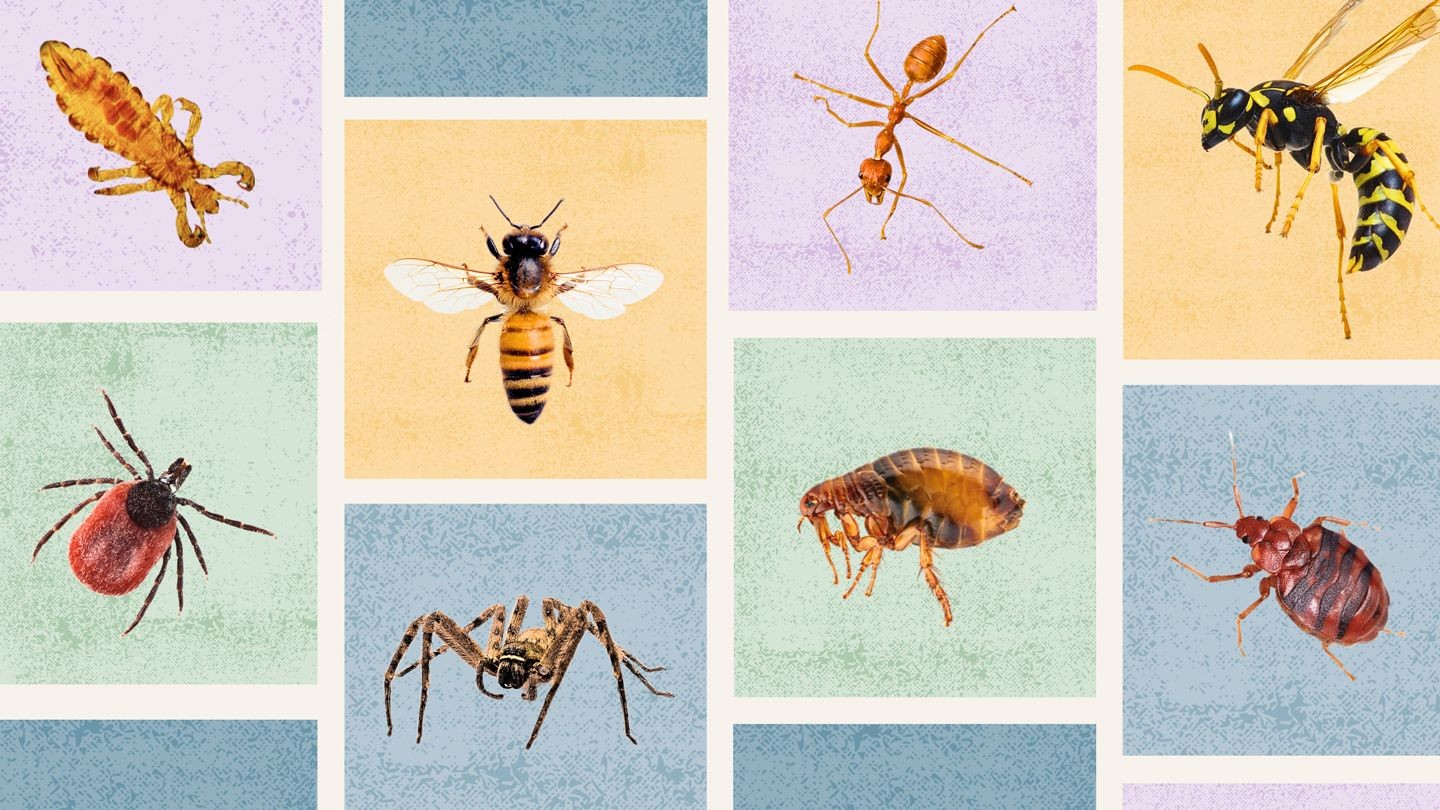
That red lump on your arm. It’s throbbing. It itches. And you have absolutely no idea what made it. Panic sets in. It’s a natural reaction. But breathe. Most of these bites are annoying, sure. They itch like hell. But they won’t kill you. They’ll fade in a few days.
Unless, of course, they were from a fire ant. Or a black widow.
Some bites require an ambulance. Most just require patience and some calamine lotion. Here’s how to tell the difference among 12 common culprits.
Mosquitoes: The Annoyance Standard
Small bump. Round. Red or pink. Itchy as all get-out. That’s a mosquito bite.
Most are harmless “nuisance mosquitoes,” per the CDC. They love appearing right after heavy rain. They don’t carry the viruses that make you sick. No Zika. No dengue. Just pure irritation. You’ll be fine. Probably.
Bedbugs: The Silent Invaders
Bedbugs are stealthy. They don’t sting. They bite.
You might not feel anything while you sleep. Later, you’ll wake up to see clusters of red marks. Three or more. Often in a zigzag line. They like the neck. The face. Hands. Arms. Any exposed skin.
Wait time matters. These marks can take up to 14 days to show up. Their saliva masks the bite initially. No disease carries, thank god. But your body might throw a fit. Hives. Blisters. Raised welts. If you’re breaking out in rashes, see a doc.
Black Widow: The Medical Emergency
Most spiders are fine. Let them live. But the black widow?
Bad news. Her venom is potent. Bites often feel like a pinprick at first. Then minor swelling. Redness. Sometimes a target-like sore.
Within an hour, things go sideways. Dull muscle pain spreads. Chest pain if the bite is high up. Abdominal agony if it’s lower. You might sweat profusely. Salivate uncontrollably. Get a headache. Feel anxious. Your blood pressure might spike.
Nausea? Yes. Muscle cramps? Likely.
For pregnant women or small children, the risk is severe. Contractions. Seizures. This is not a home remedy situation. Call emergency services. Now.
Brown Recluse: The Necrotic Biter
Shy spiders. Dark spaces. Unused corners of basements.
Found mostly in the Midwest and South. Rare elsewhere. The bite starts painless. Symptoms hit two to eight hours later.
It hurts. Then it bruises. A blue-purple center forms. Like a bullseye. Eventually, it crusts over and scars. Fever chills sweating nausea. It looks nasty. Treat it seriously.
Ticks: The Lyme Carrier
Hard to spot. Unless you’re actively checking.
Tick bites look like mosquito bites. Red. Itchy. Often mistaken. But ticks carry Lyme disease. Keep an eye on the spot. A few weeks later, you might see a rash. Ring-shaped. Like a target. If it looks like a bullseye, see a doctor. Yesterday.
Fleas: Breakfast, Lunch, and Dinner
Patterns. Fleas love patterns. Three or four bites in a row. The “breakfast lunch and dinner” sign.
Usually on the legs. The waist. Where clothes fit tight. If you’re allergic, you’ll get blisters. They show up fast. Within hours. Irritating but usually contained to the bite zone.
Bees: Sharp and Swollen
Sting. Immediate pain. Lasts a few minutes. Soreness hangs around for days.
A red bump appears. Swelling might increase over 48 hours. If you’re just swollen at the sting site, ice helps. If your throat closes up? That’s anaphylaxis. Your entire body is reacting. Emergency care required. No debate.
Lice: The Slow Burn
Head. Neck. Shoulders. Tiny red bumps.
Head lice. Body lice. Pubic lice. They hitchhike on clothes. In bedding. The bites itch. They rarely hurt. Here’s the kicker: itching might not start for six weeks. Your body has to sensitize first. Scratch too hard? You get infection. And rashes. It’s a mess.
Ants: Fire and Fury
Fire ants mean business. Venomous bites cause immediate, sharp pain. A red spot forms. It turns into a hive.
Hours later, pustules appear. White fluid-filled blisters. They last days. Maybe weeks. Systemic reactions can include nausea. Diarrhea. Cramping. Hives spreading far from the bite site. If you get bit, wash it. Watch it. Don’t pop it.
Chiggers and Mites: The Itch That Lasts
Chiggers. They’re mite larvae. Not bugs in the traditional sense. But they bite.
Red itchy welts. They hide on ankles. Behind knees. Waistlines. Sock edges. The itching is severe. Can last a week. Often mistaken for poison ivy rashes because they cluster where clothes rub tight. Hot shower? Might help wash them off before they bite. Too late if you already feel it.
Hornets and Wasps: Aggressive Swelling
Immediate pain. Swelling. Redness. Maybe a bit of bleeding. Usually heals without issue.
But if you’ve been stung multiple times? Or if you have allergies? You could face rapid heartbeat. Dizziness. Hives. Trouble breathing. Similar to bees, but hornets are meaner. Keep distance.
Horse and Deer Flies: The Brutes
Despite the names, they target humans. Biting flies. Their mouths are basically saws.
It hurts. A lot. Bleeding swelling irritation. Hives might form. Allergic reactions are possible. Anaphylaxis too, though less common. They hunt in the day. Stay indoors or cover up if they’re bad in your area.
How To Avoid The Bite
The CDC has a list. It’s logical. Use it.
- Know the enemy. Learn what insects live where. Not everywhere is dangerous everywhere.
- Repellants work. Use EPA-registered repellants. They’ve got a tool online to tell you what’s best. Use it.
- Permethrin. Treat clothes. Not skin. Gear gets coated. Bugs hate it.
- Cover up. Long sleeves. Long pants. Mosquito nets if you sleep outside.
- Shower. Coming back from a hike? Shower right away. Ticks drop off. Wash them away.
- Watch symptoms. Fever after outdoors? See a doctor. It’s not worth guessing with tick-borne diseases.
Don’t wait until it’s an emergency. Prevention is easy. Reaction management is stressful.