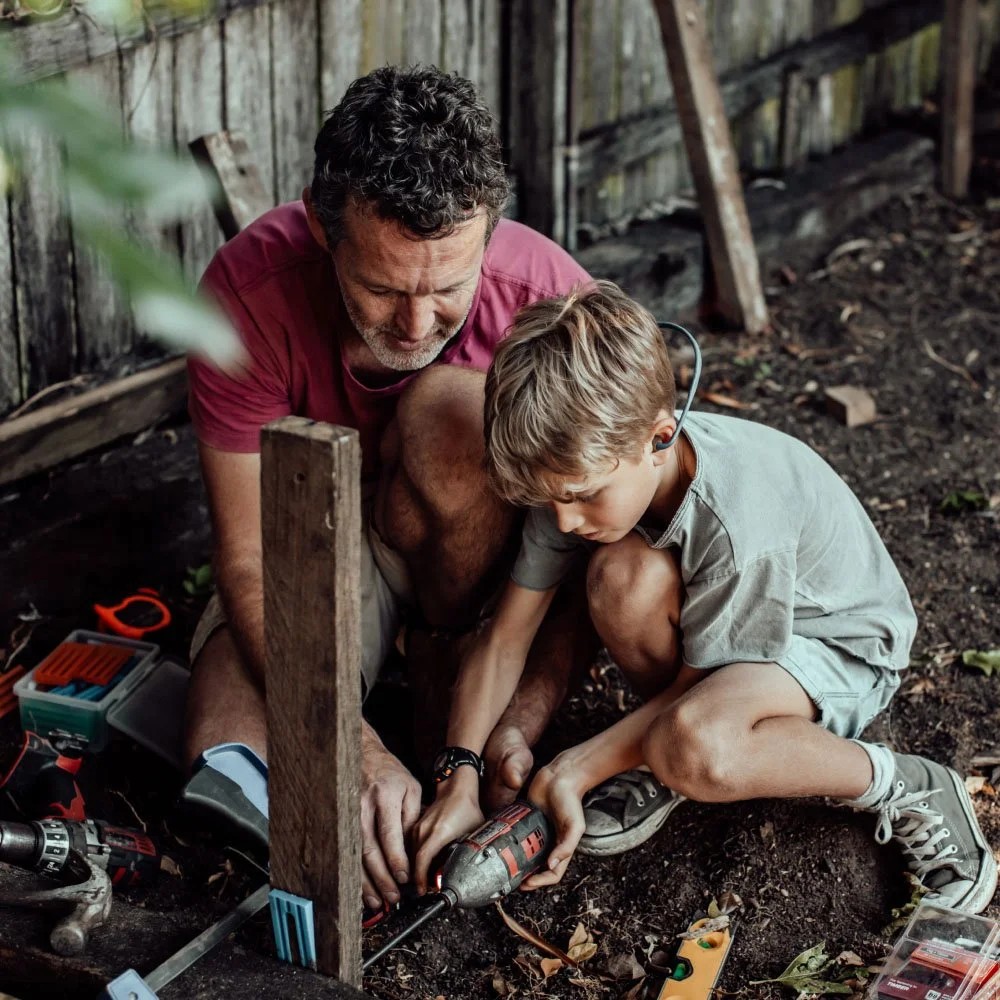
Confidence is not an innate trait that children are born with; it is a skill cultivated over time through consistent, supportive interactions. While there is no universal formula that works for every child, research and developmental psychology suggest that small, deliberate actions can create an environment where self-assurance thrives.
Building confidence is less about boosting ego and more about fostering resilience, competence, and a healthy sense of self-worth. Here is how parents can effectively nurture these qualities in their children.
The Core Strategies for Building Confidence
1. Praise Effort, Not Just Outcomes
Focusing solely on results—such as grades or trophies—can teach children that their value is tied to perfection. Instead, recognize the process. When a child struggles with a puzzle or a math problem, highlight their persistence and strategy. This reinforces a “growth mindset,” helping them understand that ability is developed through hard work, not fixed at birth.
2. Encourage Healthy Risk-Taking
Fear of failure often stifles confidence. Create a safe space where mistakes are viewed as learning opportunities rather than embarrassments. If a child hesitates to join a new club or try a sport, encourage them with phrases like, “Give it a try. If you love it, great! If not, you’ve learned something new.” This reduces the stakes of failure and promotes experimentation.
3. Model Confidence Yourself
Children learn by observation. When you face setbacks, verbalize your thought process: “I made a mistake, but I can fix it,” or “I feel nervous about this presentation, so I’m going to prepare thoroughly.” Showing that uncertainty is normal and manageable teaches children that confidence isn’t the absence of fear, but the ability to act despite it.
4. Set Achievable, Incremental Goals
Overwhelming goals can lead to discouragement. Help your child break large tasks into smaller, manageable steps. Use a visual chart to track progress and celebrate “mini-victories.” This builds a track record of success, reinforcing the belief that they are capable of achieving what they set out to do.
5. Teach Problem-Solving Skills
Instead of rushing to solve every problem for your child, guide them to find their own solutions. Ask questions like, “What do you think would happen if you tried this?” or “How can we fix this together?” This fosters critical thinking and independence, proving to them that they have the agency to handle challenges.
6. Validate Their Opinions
Invite your child to share their thoughts on family decisions, movie choices, or daily routines. Show genuine interest in their perspective. When children feel that their voice matters, it reinforces their self-worth and encourages them to express themselves confidently in other areas of life.
7. Provide Unconditional Support
Make it clear that your love is not contingent on achievement. A child needs to know they are valued for who they are, not just for what they do. This emotional security provides a safety net, allowing them to take risks and explore their interests without the fear of losing parental approval.
8. Promote Social Interaction
Social confidence grows through practice. Encourage participation in group activities like sports teams, clubs, or playdates. These settings help children learn to read social cues, communicate effectively, and build friendships. Discussing these experiences afterward helps them process successes and navigate social hurdles.
Why Confidence Matters in Childhood
Confidence acts as a foundation for overall well-being and development. It influences how children perceive themselves and interact with the world.
- Enhances Learning: Confident children are more curious and willing to ask questions, leading to deeper engagement with education.
- Improves Social Skills: Self-assurance helps children initiate friendships and navigate peer relationships with ease.
- Builds Resilience: Confident kids view setbacks as temporary challenges rather than insurmountable obstacles, fostering emotional durability.
- Supports Mental Health: A strong sense of self-worth is linked to lower rates of anxiety and depression, as children feel more secure in their abilities and place in the world.
Confidence vs. Self-Esteem: Understanding the Difference
While often used interchangeably, confidence and self-esteem are distinct psychological concepts.
- Confidence is task-specific. It is the belief in one’s ability to perform a specific action (e.g., “I am good at soccer”). It can fluctuate based on recent successes or failures in that domain.
- Self-Esteem is global. It reflects how much a child values themselves as a person, regardless of their abilities (e.g., “I am worthy of love and respect”). It is more stable and rooted in unconditional acceptance.
Why the distinction matters: A child can have high confidence in math but low self-esteem if they feel unloved or criticized at home. Conversely, a child with high self-esteem may lack confidence in a new sport but will still believe they are worthy of trying. Parents should aim to build both: specific skills (confidence) and unconditional love (self-esteem).
Creating a Supportive Home Environment
The home is the primary laboratory for building confidence. Here is how to structure that environment for growth:
1. Foster Open Communication
Create a household culture where feelings and thoughts can be shared without judgment. Lead by example using kind, respectful language. When children feel heard, their sense of self-worth increases.
2. Validate Emotions
Acknowledge your child’s feelings, even if they seem minor to you. Saying, “I see you’re frustrated, and that’s okay,” teaches emotional regulation and validates their internal experience.
3. Set Realistic Expectations
Align your expectations with your child’s age, abilities, and personality. Unrealistic pressure can be damaging. Remember to set realistic expectations for yourself as well; modeling balance is powerful.
4. Offer Consistent Guidance
Be present and involved, but know when to step back. Offer help when asked or when clearly needed, but allow space for independent effort. This balance supports learning without creating dependency.
5. Establish Routine and Structure
Predictability reduces anxiety. A balanced schedule that includes school, hobbies, social time, and rest helps children feel in control of their lives. Incorporating calming practices, such as meditation or mindfulness, can further enhance emotional stability.
6. Encourage Independence
Assign age-appropriate responsibilities, such as choosing clothes, helping with chores, or managing a small project. Completing these tasks builds competence and proves to the child that they can handle real-world responsibilities.
7. Celebrate Effort and Success
Recognize hard work, not just the final result. Celebrate progress with enthusiasm, whether through words, high-fives, or small rituals. This reinforces the value of persistence.
8. Cultivate Positivity
Maintain an atmosphere of encouragement. Constructive feedback is far more effective than criticism. Focus on solutions and strengths rather than dwelling on mistakes.
Common Questions About Building Confidence
How can I help an 8-year-old build confidence?
Focus on small, achievable wins. At this age, children benefit from making choices, solving simple problems, and receiving praise for effort. If your child is shy, move slowly and gently encourage participation rather than pushing them into uncomfortable situations. The goal is to help them trust their own judgment.
What causes a lack of confidence?
Common causes include excessive criticism, negative feedback, lack of encouragement, or being compared to peers. Children who haven’t learned to overcome challenges may develop a fear of trying new things. The remedy is a supportive environment that prioritizes learning over winning.
What activities help shy children?
Structured group activities like team sports, band, or drama classes can be effective. These provide a framework for interaction and allow children to express themselves in a safe environment. Over time, repeated positive social experiences reduce shyness.
How do I prevent overconfidence?
Balance confidence with humility by teaching your child to value others’ opinions. Encourage active listening and teamwork. Help them understand that success is often a result of collaboration and effort, not just individual superiority.
When should I start building confidence?
It is never too early. Even toddlers benefit from positive reinforcement and the opportunity to make simple choices, such as picking out their outfit. Adjust your approach as they grow, but the foundation of trust and encouragement should start immediately.
Do extracurricular activities help?
Yes. Activities outside of school allow children to discover new interests, develop skills, and connect with peers. Whether it’s art, sports, or coding, these experiences provide a sense of belonging and achievement that boosts overall confidence.
Conclusion: Building confidence is a gradual process rooted in patience, consistency, and unconditional support. By focusing on effort, modeling resilience, and creating a safe environment for exploration, parents can empower their children to face challenges with courage and self-assurance.