


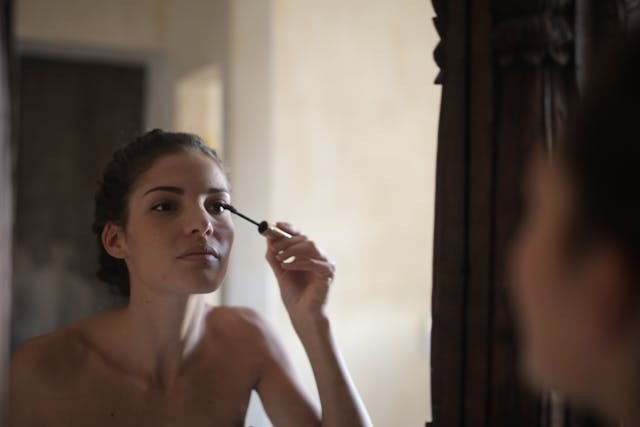
Millions of people apply mascara daily, often without realizing the subtle but significant impact on their eye health. While cosmetics enhance appearance, they also interact with delicate ocular biology – the eyelid microbiome, oil glands, tear film, and the protective barrier that keeps eyes comfortable and infection-free. This isn’t about rejecting beauty; it’s about raising awareness so you can enjoy cosmetics without compromising long-term eye comfort.
The Unseen Ecosystem: Your Eyelid Microbiome
The skin around your eyes hosts a diverse microbial community that defends against pathogens and inflammation. Harsh preservatives, fragranced removers, and vigorous rubbing can disrupt this balance, much like harsh soaps disrupt skin health. Irritated or over-cleaned lash lines can become prone to inflammation and colonization by opportunistic microbes (including Demodex mites), contributing to the growing prevalence of red, gritty, and chronically dry eyes.
The Oil Glands You Didn’t Know You Had
Tiny meibomian glands along the lash line produce the oil layer of your tears, preventing evaporation. Thick, waterproof mascaras, old product buildup, and chronic residue can block these glands. Combined with prolonged screen time (reduced blinking) and sleeping in mascara, this leads to evaporative dry eye, burning, and light sensitivity. Often, people seek stronger eye drops instead of addressing the underlying cause.
What’s Hidden in the Tube?
Not all formulas are created equal. Some ingredients pose risks:
- Long-wear/waterproof claims: Often rely on film-forming polymers that require aggressive removal, increasing friction.
- Preservatives/Solvents: Parabens, phenoxyethanol, and formaldehyde releasers can irritate sensitive eyelid skin.
- Coal tar colorants: May cause allergic reactions in some individuals.
- PFAS (“Teflon”): Some mascaras contain PTFE or similar compounds for slip and water resistance. These chemicals can persist in the body and environment, raising long-term health concerns.
While individual exposures may seem small, cumulative daily use over years on a delicate mucosal surface warrants caution.
Hygiene, Not Hype, Makes the Difference
Most eye issues linked to mascara aren’t due to one “bad” ingredient; they stem from poor hygiene, improper removal, and outdated products. Here’s how to adjust your routine:
- Replace tubes every 3 months: Packaging provides a warm, moist environment for microbial growth. Discard sooner if the product smells off or clumps.
- Never share mascara: Conjunctival bacteria don’t discriminate.
- Avoid pumping the wand: This introduces air and contamination into the tube.
- Remove gently nightly: Use a minimal-ingredient remover, then rinse with lukewarm water. Pat dry; avoid rubbing.
- Clean the lash line kindly: Hypochlorous acid eyelid cleanser can reduce microbial load without disrupting the microbiome.
- Take breaks: Mascara-free days allow oil glands to function and the tear film to reset.
Beyond the Drops: Addressing Root Causes
Chronic dry eye often isn’t simply a matter of insufficient lubrication. Consider these contributing factors:
- Meibomian function: Blocked oil glands lead to tear film evaporation. Warm compresses followed by gentle lid massage can help express oil.
- Blink quality: Screens reduce blink rate and completeness. Practice the “20-20-20” rule and conscious full blinks.
- Whole-body factors: Dehydration, mouth-breathing, poor sleep, low omega-3 intake, and extreme indoor environments all thin the tear film.
Smarter Choices: A Safer Playbook
- Tubing mascaras: Dissolve easily with warm water, minimizing friction and remover use.
- Short ingredient lists: Avoid PFAS, fragrance, and formaldehyde releasers when possible.
- Fresh applicators: Use new or clean reusable wands to prevent fiber shedding and irritation.
- Contact lens wearers: Apply mascara only to the tips, not the roots, and remove lenses before cleansing.
If you have chronic blepharitis, styes, or meibomian gland dysfunction (MGD), consider reserving mascara for special occasions while rehabilitating your lids.
Beauty That Works With Biology
Healthy lashes benefit from internal factors: adequate protein, zinc, vitamin A, collagen-rich foods, and omega-3 fatty acids. Morning sunlight (without lenses) supports circadian rhythm, improving tear production and repair. Manage stress and prioritize sleep. Your body’s natural antioxidant system is most effective during rest.
In conclusion, mascara isn’t the enemy; ignorance is. By understanding the impact on the eyelid microbiome and oil glands, you can make informed choices that prioritize both beauty and long-term eye health. With smarter formulas, gentler removal, and basic hygiene, you can enjoy the look you love without sacrificing comfort.


