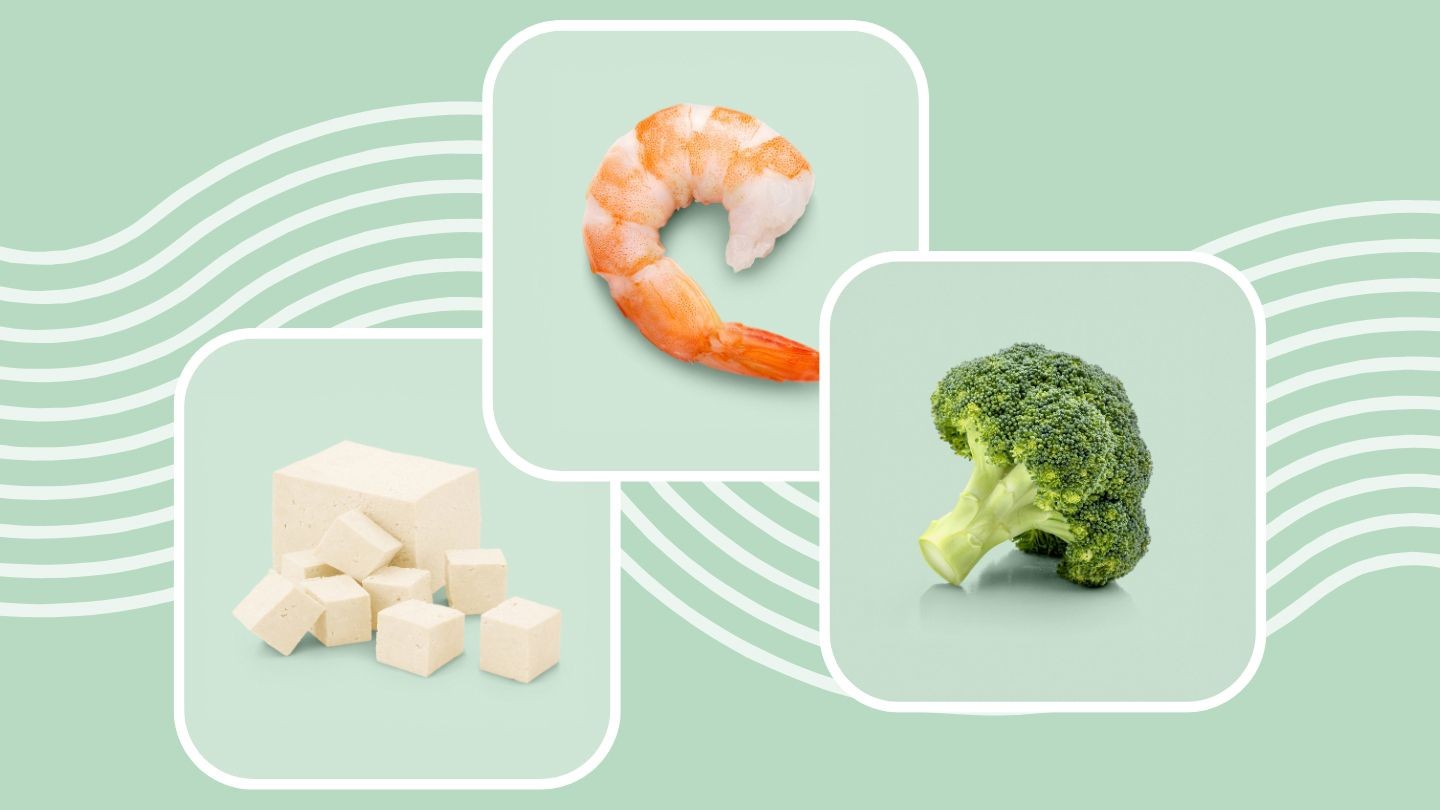
The rise of GLP-1 agonists—such as semaglutide (Ozempic, Wegovy) and tirzepatide (Mounjaro, Zepbound)—has revolutionized weight management by significantly suppressing appetite and slowing gastric emptying. However, this physiological shift creates a double-edged sword: while calorie intake naturally decreases, the margin for nutritional error narrows dramatically.
When you are eating less, every bite carries greater weight in terms of nutrient density. The primary goal is not just weight reduction, but the preservation of lean muscle mass and the mitigation of gastrointestinal side effects like nausea, bloating, and diarrhea. Strategic food selection is therefore critical to ensure that weight loss translates into improved health rather than malnutrition or muscle wasting.
The Core Strategy: Protein and Fiber First
Registered dietitians emphasize that the dietary foundation for anyone using these medications should be built on two pillars: high-quality protein and fiber.
- Protein is essential to counteract the rapid loss of lean body mass, a common side effect of quick weight reduction.
- Fiber supports gut health and helps maintain satiety without adding excessive calories.
Bonnie Newlin, RD, notes that prioritizing these nutrients helps stabilize blood sugar and supports the digestive system, which is already under stress from the medication’s mechanism of action.
Foods to Prioritize
To maximize benefits and minimize discomfort, focus on nutrient-dense, low-fat options that are easy to digest.
Lean Proteins
Skinless chicken breast is a top recommendation. A 3-ounce serving provides approximately 27 grams of protein with minimal fat. This helps protect muscle tissue during weight loss. Other excellent choices include:
* Soy foods: Tofu and edamame offer a “double whammy” of protein and fiber in a low-fat package. Unsweetened soy milk provides about 8 grams of protein per cup, comparable to cow’s milk, making it a versatile addition to smoothies or cereals.
* Fish: Generally lower in saturated fat than red meat, fish is an excellent source of lean protein and omega-3 fatty acids.
Non-Starchy Vegetables
Vegetables are crucial for volume eating—filling the stomach with minimal calories—while providing essential vitamins and minerals.
* Leafy greens: Spinach and kale are calorie-dense in nutrients but light on calories. They are less likely to aggravate GI symptoms due to their low fat content, though individuals sensitive to cruciferous vegetables should monitor for gas or bloating.
* Bell peppers: High in water content, fiber, and vitamin C, bell peppers help with hydration and provide a crunchy texture that can satisfy cravings without overloading the digestive tract.
* Broccoli: Rich in vitamins and fiber, broccoli supports gut health. However, users should be cautious; for some, cruciferous vegetables can exacerbate bloating or flatulence associated with GLP-1 drugs.
Foods to Limit or Avoid
Certain foods can trigger severe gastrointestinal distress or undermine weight loss progress. These items often high in fat or sugar, which conflict with the slowed digestion caused by GLP-1 medications.
Fried and High-Fat Foods
Fried foods like french fries, fried chicken, and onion rings are among the worst offenders. Their high fat content can:
* Aggravate GI symptoms: Fat delays stomach emptying further, increasing the risk of nausea, stomach pain, and diarrhea.
* Trigger inflammation: Fatty acids broken down in the colon can cause diarrhea, compounding existing medication side effects.
* Hinder weight loss: High calorie density without nutritional benefit slows progress.
Sugary Beverages and Sweets
Sugar-sweetened drinks, including sodas, juices with added sugar, and energy drinks, should be avoided. They provide empty calories that spike blood sugar, leading to crashes that can increase cravings. Solid sweets like cake and candy should be treated as occasional treats rather than regular staples. Melissa Mitri, RD, advises balancing enjoyment with nutritional needs, emphasizing that deprivation is not sustainable.
Red Meat
While red meat is high in protein, its saturated fat content can cause digestive disruption. If red meat is consumed, opt for lean cuts such as eye of round, sirloin tip, or top sirloin to minimize fat intake and reduce the risk of GI distress.
The Bottom Line
Success on GLP-1 weight loss medications depends as much on what you eat as it does on how much you eat. By avoiding high-fat and high-sugar foods that exacerbate side effects, and prioritizing lean proteins, fiber-rich vegetables, and hydrating foods, users can protect their muscle mass, support their digestive health, and ensure their weight loss is sustainable and healthy.
“Balance, not deprivation, is the name of the game,” says Melissa Mitri, RD. “Prioritize protein and fiber to maintain muscle mass and gut health.”