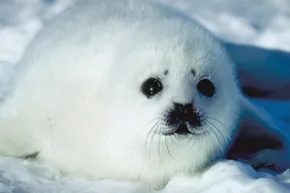
Why the #baby schema causes a wave of dopamine in the human brain
You can try to deny this, but you can’t deny that you have a serious weakness for internet cats. It doesn’t matter how strong you look. If you show an rough-and-tumble adult a video of a fluffy bunny or hedgehog, they will quickly become less cautious. This reaction is not limited to pets. The same applies to the reaction when we cooing babies. Both men and women are fascinated by this visual. Consumer behavior also follows this model. Some vehicles, like the Mini Cooper, sell better than their competitors primarily because their design feels cuter.
This fascination is not a personal quirk. This is a universal human characteristic. It’s not a question of whether we like cute things or not. The real question is why our brains react this way.
The survival mechanism behind the crush
The root cause is simple. This is a question of human survival. We are biologically wired to notice human infants. Newborns are incredibly vulnerable. They cannot feed themselves. You need to lifted to a breast or bottle. This vulnerability triggers strong protective instincts in adults.
Our love of cuteness ensures that we can interact with babies. This makes it easier for us to care about them. It makes us protect them. You can think of it as built-in life insurance. This mechanism ensures that babies survive long enough to continue the human race.
Recognize baby schema
The need to protect is so strong that we extend it beyond human babies. Research shows that humans respond positively to babies of other species. Kittens and fuzzy caterpillar can cause the same reactions as human babies. This happens because we tend to recognize certain visual cues.
These cues are collectively known as the baby schemal.
The features are clear and recognizable. a disproportionately large, round head. The eyes are usually large and located below the midline of the face. It is normal to have chubby cheeks. Generally, the forehead is large. The body looks round and soft.
When you see these features, a chemical reaction occurs in your brain. The mesocorticolimbic system activates. This area is associated with reward and pleasure. It causes feelings similar to the euphoria caused by opioids. Stimulates glutamate receptors in the brain. This creates a sense of anticipation and enjoyment. You are compelled to seek out more of the cute things you encounter. You want to hold them. You want to cuddle them. You want to coo over them.
Even inanimate objects are cute
The attraction is not limited to living creatures. It extends to inanimate objects that evoke feelings of childishness and softness. Surprisingly, the brain is easily fooled by shape.
A variety of objects can trigger this reaction, from balloons to snowball-like piles of rocks. It also works with punctuation. Colons, hyphens, or parentheses are known to make the subject react as if they were seeing a real baby. The effect is directly proportional. The cuter the object looks, the greater the human reaction. This shows how deeply embedded these visual cues are in our neural pathways.