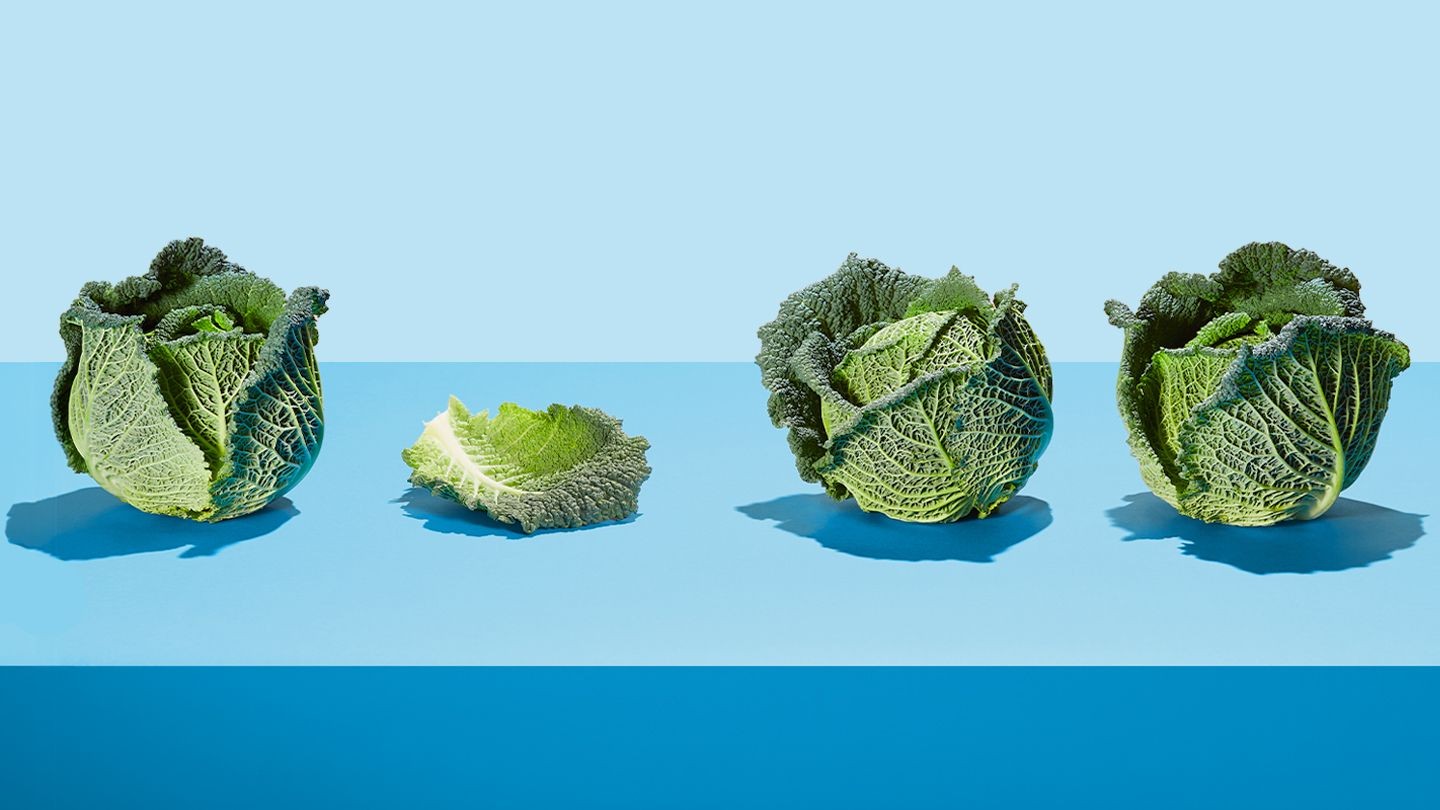
Cabbage gets a bad rap. It smells when you boil it. It can make you feel like a balloon after dinner. But that is exactly why we need to stop ignoring it. This humble leafy green isn’t just a cheap filler for coleslaw or a crunchy garnish on a burger. It is a nutritional powerhouse sitting right there in your produce aisle.
If you are looking for affordable, effective ways to lower inflammation or boost your immune system, you are looking in the wrong places if you aren’t looking at cabbage. It is part of the Brassica family, meaning it shares DNA with broccoli, kale, and Brussels sprouts. That lineage comes with heavy benefits: high antioxidant loads, vitamins C and K, and compounds that fight back against disease.
You don’t have to eat a head of it every day. But adding more cabbage to your routine can change how your body functions. Here is the real science behind why cabbage deserves a permanent spot in your fridge.
Lowering Systemic Inflammation With Antioxidants
Inflammation is the silent engine behind many chronic diseases. Cabbage hits that engine with a wrench. Green cabbage is loaded with kaempferol, quercetina, and apigenin. Red cabbage leans on cyanidin. These aren’t just buzzwords. They are antioxidants that mop up free radicals—unstable molecules that damage cells and speed up aging.
The mechanism is straightforward. When you eat these compounds, they activate signaling proteins in your cells. This triggers the production of anti-inflammatory enzymes. It helps your body flush out reactive oxygen species and toxic waste.
“[This process] helps the body rid itselof highly reactive oxygen species… leading to a reduction of inflammation,” says Dr. Bryan Q. Le, a food scientist.
The result? Less cellular damage in your liver, nervous system, and lungs. In red cabbage, cyanidin specifically targets oxidative stress in blood vessels. That helps lower blood pressure and calm inflammation in the heart. It is a direct, chemical intervention from the ground up.
Potential Cancer-Fighting Properties in Cruciferous Veggies
Can vegetables actually prevent cancer? It’s a complicated question, but cabbage offers some compelling data. It is high in vitamin C—one medium head contains roughly 332 milligrams. The daily recommended intake is around 90 mg for women and 90 mg for men. A few leaves get you halfway there.
High dietary vitamin C is linked to a reduced risk of lung and breast cancers. But it is not just the vitamin C.
It brings us back to glucosinolates. When you chew, cut, or digest cabbage, these compounds break down. They turn into bioactive agents with anti-inflammatory properties. They aid in the detoxification of carcinogens—the cancer-causing agents themselves.
“It may help with the detoxification of carcinogen,” explains oncology dietitian Cindy Chou. This isn’t magic. It is biochemistry in action. By helping your body process and eliminate potential threats, cabbage supports an anti-cancer diet more effectively than you might think.
Recovery Support for Severe Respiratory Issues
The pandemic brought a lot of bad news. It also revealed some interesting dietary interventions. A study published in the European Journal of Allergy and Clinical Immunoloy found that eating cabbage and fermented vegetables helped mitigate severe COVID-19 symptoms.
Researchers theorize that the antioxidants in cabbage improve insulin resistance and reduce damage to lungs and blood vessels. Both are common, severe side effects of viral infections that hit the respiratory system.
If you are sick right now, try a soothing cabbage soup. Napa and Taiwanese cabbage work best here. Add them in the last five minutes of cooking to preserve nutrients. For antiviral benefits from fermentation, try kimchi. It adds a probiotic kick that supports gut health during recovery.
Blood Clotting and Strong Bones Via Vitamin K
Vitamin K doesn’t get the glory that calcium or vitamin D does. That is a mistake. It is essential for blood clotting. It is also critical for maintaining bone density. Cabbage delivers this on a silver platter—specifically, 53 micrograms of vitamin K per cup.
But there is a catch. Vitamin K is fat-solvable. Your body cannot absorb it without fat. If you boil cabbage plain, you are wasting the nutrient.
“You need to include a source of dietary fat,” says dietitian Amanda Terillo. Pair it with beef. Cook it with fatty fish. Add avocado to tacos. Use an oil-based dressing for salad. Or make coleslaw with mayo. The fat carries the vitamin K into your system where it can do its work.
Watch out if you take anticoagulants or certain antibiotics. These meds interact with vitamin K. If you are on these prescriptions, talk to your doctor before turning cabbage into a daily staple.
Digestion: Fiber, Probiotics, and Gut Health
Cabbage is high in fiber. Insoluble fiber specifically. It adds bulk to stool. It promotes regular bowel movements. It helps prevent constipation and can minimize diarrhea by stabilizing digestion.
For most people, this is a win. For others, the sulfur compounds cause gas. Bloating. Discomfort. If this sounds like you, you have to find your tolerance level. Start small.
For a deeper gut health boost, look to fermentation. Kimchi is cabbage that has been fermented. It contains Lactobacillus bacteria. These are probiotics. They create a diverse mixture of microbes in your intestines. They help improve digestion and combat gut dysbiosis—the imbalance of good and bad bacteria that leads to inflammation.
Evidence suggests that foods fermented with Lactobacillus can help your gut respond better to stress. It restores balance where chaos reigned.
Vitamin C Beyond Citrus Fruits
We are taught to reach for oranges when we feel a cold coming on. But cabbage holds its own. It provides vitamin C in a package that also includes fiber, potassium, and various antioxidants.
Vitamin C is famous for skin health. It promotes collagen production. Research suggests it defends skin against UV damage and reduces signs of aging. But the benefits don’t stop at the surface.
“Vitamin C also aids in woun healing, helps improve the immune system… and helps absorb iron,” Terillo notes.
Iron absorption is key. Heme iron from meat is absorbed best, but vitamin C enhances the uptake of nonheme iron from plants. Pair your cabbage with red meat or sardines. You get a double hit of immune support and iron bioavailability. It is a simple dietary hack with a measurable physiological impact.
Heart Health and Preventing Clots
Heart disease and inflammation are tangled up in each other. Cabbage cuts both knots. The cyanidin in red cabbage relaxes blood vessels. That supports healthy blood pressure.
But there is more. Cruciferous vegetables like cabbage contain nutrients that help prevent the formation of blood clots. A study found that these nutrients reduce the risk of pulmonary embolism and heart attack.
By keeping your blood flowing smoothly and lowering inflammation in the cardiovascular system, cabbage acts as a protective layer. It is not a cure-all, and it is not a substitute for medication. But as a dietary component? It is one of the best tools in your preventive health kit.
The question isn’t really whether you should eat cabbage. The question is why you haven’t started yet.