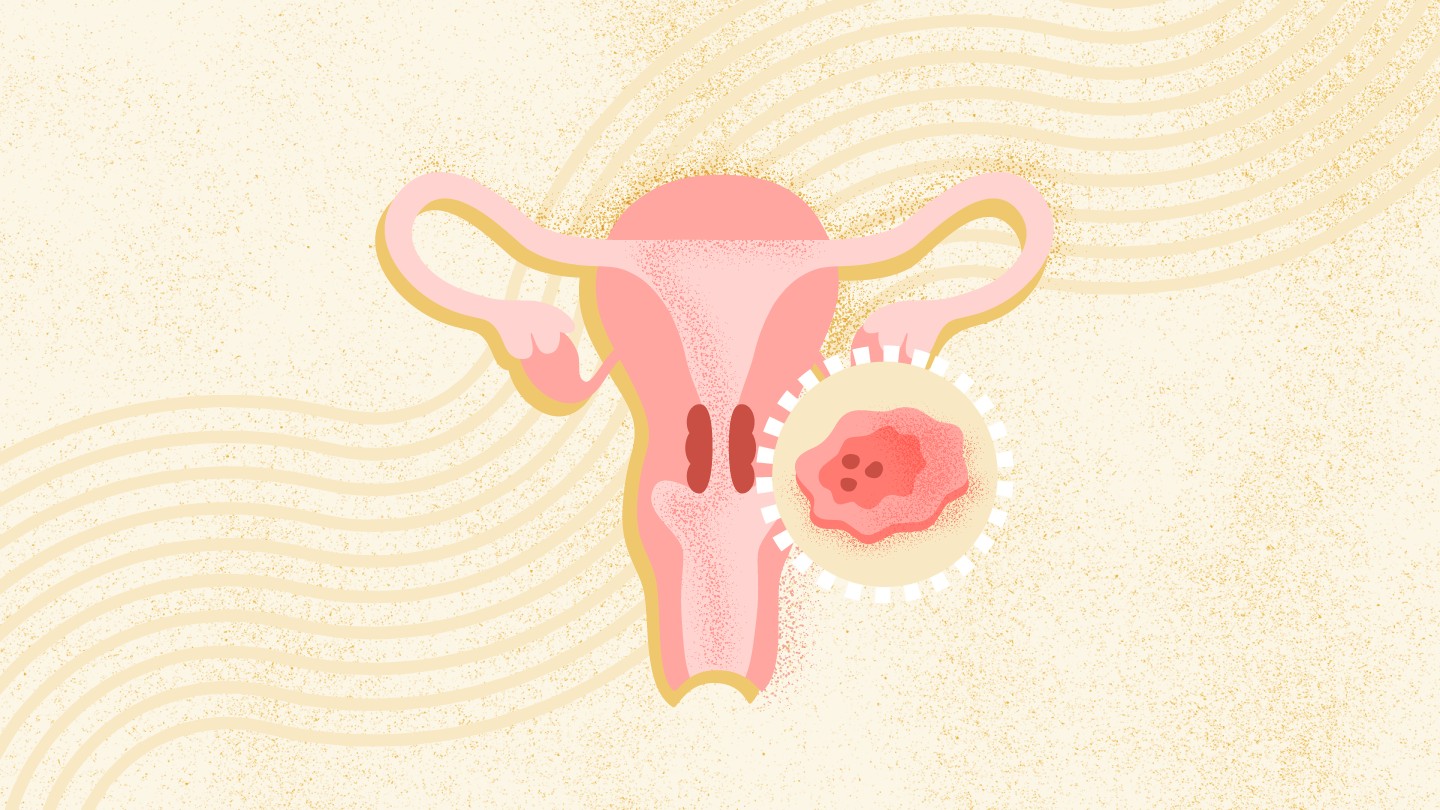
Cervical cancer develops in the cervix, the lower part of the uterus connecting to the vagina. While often asymptomatic in early stages, it’s a preventable and treatable disease when detected early. The primary cause is persistent infection with human papillomavirus (HPV), a common sexually transmitted infection.
How Cervical Cancer Develops
The cervix has two main cell types: squamous cells (outer layer) and glandular cells (lining the cervical canal). Most cancers arise where these meet—the transformation zone—due to HPV infection. Almost all cervical cancers are either squamous cell carcinoma or adenocarcinoma, though rare cases include melanoma, sarcoma, and lymphoma.
Recognizing the Signs
Early-stage cervical cancer typically has no noticeable symptoms. As it progresses, women may experience:
- Abnormal bleeding: Longer, heavier periods; bleeding between periods, or after intercourse or menopause.
- Discharge: Unusual vaginal discharge, potentially with blood.
- Pain: Discomfort during sex.
These symptoms aren’t exclusive to cervical cancer, but prompt medical evaluation is crucial.
Risk Factors and Prevention
The biggest risk factor is HPV infection, which is responsible for approximately 91% of cervical cancers. Other factors include:
- Multiple pregnancies
- Smoking
- Long-term oral contraceptive use
- Weakened immune system (HIV, chemotherapy)
- Early sexual activity
- Multiple sexual partners
- Past DES exposure (synthetic estrogen prescribed 1940-1971)
Prevention relies on HPV vaccination (Gardasil 9 or Cervarix) and regular screening. Currently, less than 40% of U.S. adolescents are fully vaccinated, despite recommendations for age 11-12. Screening includes Pap smears and HPV tests, recommended every 3-5 years for those aged 25-65.
Diagnosis and Treatment
Early detection is key. If a screening test reveals abnormalities, a colposcopy (magnified cervix exam) and biopsy (tissue sample) are performed. Treatment depends on cancer stage and patient health, and can include:
- Surgery: Removing precancerous or cancerous tissue.
- Radiation: Using high-energy rays to kill cancer cells.
- Chemotherapy: Drugs to kill cancer cells, often combined with radiation.
Early-stage cervical cancer survival rates exceed 90%. Improved screening, vaccination, and access to care have significantly reduced incidence and deaths over the past 50 years.
The Bigger Picture
Cervical cancer remains a global health challenge, particularly in areas with limited access to screening and vaccination. The disease disproportionately affects women in low-income countries, where it is often diagnosed at later stages.
In the U.S., approximately 13,360 new cases and 4,320 deaths are projected for 2025. However, these numbers can be further reduced with increased vaccination rates and consistent screening.
If you experience any unusual symptoms, such as abnormal bleeding or pain during intercourse, consult a healthcare provider immediately. Early detection and treatment are essential for successful outcomes.