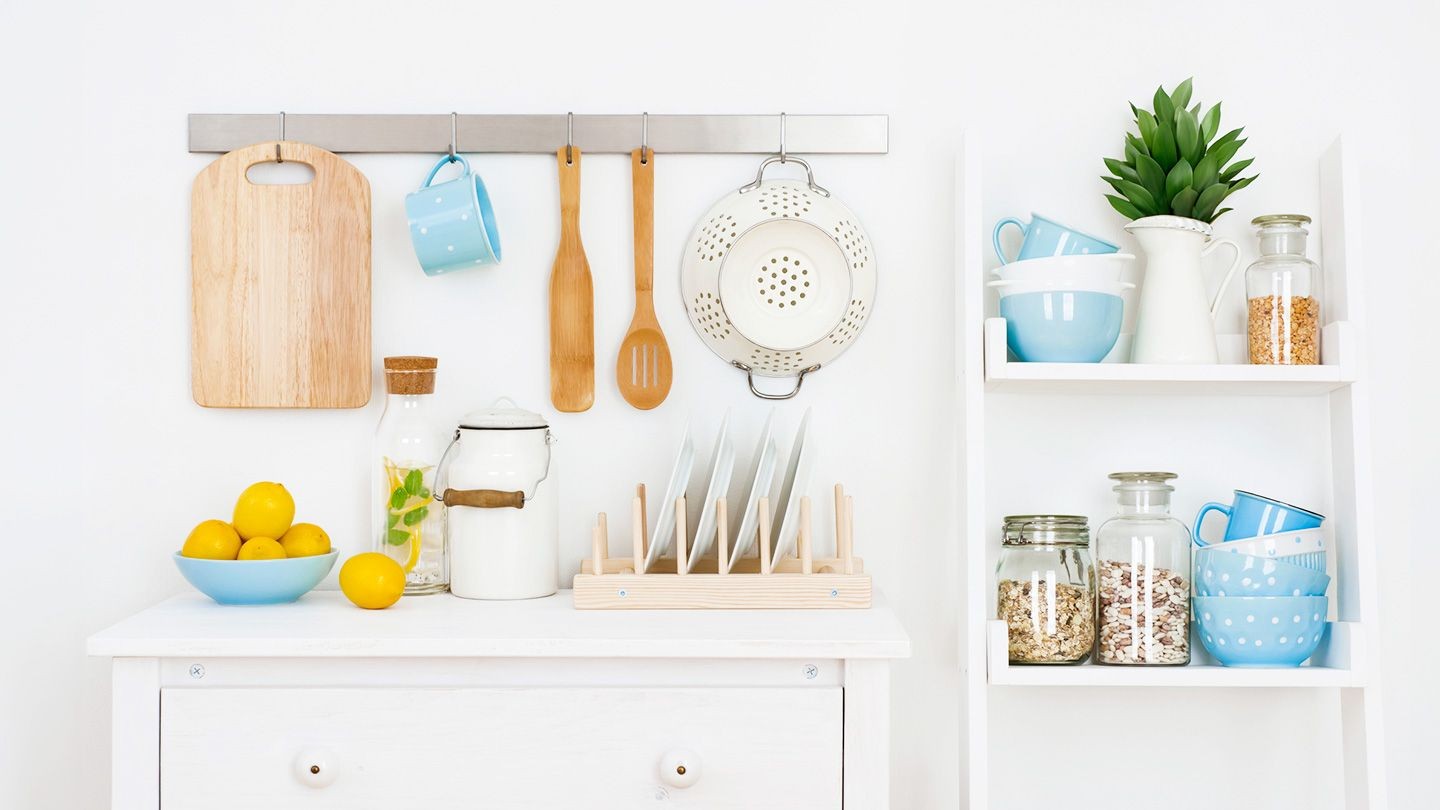
A well-organized kitchen isn’t just about aesthetics; it’s a direct path to healthier eating habits. Registered dietitians consistently emphasize that how you structure your cooking space dramatically influences your food choices and overall diet quality. The more intuitive and accessible healthy options are, the more likely you are to choose them. This article breaks down proven strategies for maximizing your kitchen’s potential as a health-promoting environment.
Declutter and Prioritize Functionality
The first step to a healthier kitchen is ruthless efficiency. Ditch unused tools: if you haven’t touched a gadget in a year, donate it. Counter space should be reserved for items you use daily, like rice cookers or air fryers that make quick, nutritious meals easier. Keep frequently used tools within easy reach – low cabinets or drawers are ideal. Clutter creates friction; the goal is to remove barriers to healthy cooking.
The Psychology of Visibility
Human behavior is predictable: we eat what we see. This “see-food” diet means less-healthy options should be hidden away. The bottom shelf of the pantry or the back of the fridge are perfect for sweets, chips, and sodas. Consider opaque containers for extra deterrent effect. Conversely, make nutritious foods the star. Eye-level placement in the refrigerator for fruits and vegetables ensures they don’t get forgotten. Transparent containers showcase their freshness and vibrancy, making them more appealing.
Stock the Freezer Wisely
Frozen foods get a bad rap, but many are just as nutritious as their fresh counterparts. The key is organization. Designate specific areas for vegetables, fruits, grain blends, and meats, so you know exactly what you have on hand. A well-stocked freezer reduces impulse buys and ensures healthy ingredients are always available.
Pantry Power: Category-Based Organization
An uncluttered pantry is a must. Group items by category: snacks, canned goods, sauces, and so on. Fill it with healthy staples like whole-wheat pasta, oats, nuts, seeds, and low-sodium beans. Keep these in easy reach while burying less-healthy options out of sight.
Portion Control and Flavor Boosts
Smaller dishware can subtly reduce overeating. Encourage mindful eating by paying attention to hunger cues, rather than relying on large portions. A well-stocked spice cabinet is equally crucial. Herbs and spices add flavor without excess salt, making healthy foods more enjoyable and increasing the likelihood of consumption. Tiered spice racks or alphabetical arrangement ensure easy access to your favorite seasonings.
Cleanliness as a Habit
A clean kitchen is an inviting kitchen. Whether it’s a weekly deep clean or daily tidying, maintaining hygiene makes cooking more enjoyable. Put on music, a podcast, or enlist family help to make it a less daunting task.
“An organized kitchen isn’t just about aesthetics; it’s a strategic advantage in the fight for better health.”
By implementing these strategies, you can transform your kitchen into a powerful ally in your journey toward healthier eating. The key is to make the right choices the easiest choices.