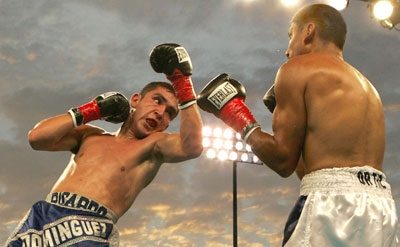
Boxing is ancient. It is also brutally simple. Two people hit each other with their fists until one stops moving. Add centuries of history, a parade of unhinged characters, and a side of corruption that runs deep, and the sport becomes something far more complex than a test of pure strength. It is a theater of glory and tragedy.
We are looking at the mechanics here. How you win. How you lose. The hierarchy of titles. The science of the punch. The danger lurking in every round.
The Ring and The Rules
A boxing match is not a street brawl. There are rules. They exist to designate a winner, keep fans entertained, and hopefully prevent serious injury. These rules vary. Amateur Olympic boxing differs from professional bouts. Even among pro organizations, the specifics change. Before a major fight, there is a rules meeting. The promoters explain the particularities of that specific event.
The ring itself is a raised, square platform. Canvas covers roughly an inch of padding underneath. Flexible ropes enclose the space, tied to steel posts at the corners. Size matters. In smaller venues, the ring might be just 16 feet to a side. Olympic boxing allows rings up to 20 feet in diameter. Some professional organizations go as big as 25 feet.
Boxers are not free agents inside those ropes. Certain acts are strictly forbidden. This prevents the match from degenerating into chaos. You cannot:
- Strike below the belt
- Hit an opponent who is down on the canvas
- Kick
- Strike with elbows, forearms, or the inside of the hand (a slap)
- Head butt
- Bite ears (Mike Tyson proved this rule needed spelling out)
- Grab the ropes
- Poke the eye with a thumb (Muhammad Ali’s eye was red and swollen after George Foreman did this in 1974’s “Rumble in the Jungle”)
- Wrestle, grapple, or hold excessively
Committing a foul leads to point deductions by the judges. Do it repeatedly, or do it flagrantly, and the referee will disqualify you.
The structure is rigid. Rounds last two or three minutes. One minute of rest between them. Professional championship fights go for 12 rounds. They used to go for 15. Lower-ranked pro fights might be ten rounds or less. Amateur bouts are shorter. Three, four, or five rounds. Two minutes each. Junior divisions can be even shorter.
Gloves are padded leather. They protect the boxer’s hands and reduce damage to the opponent. Underneath, hands are wrapped in athletic bandages. The wrapping is closely regulated. Amateur boxers wear headgear too. It protects against cuts and scrapes.
Goals of Boxing
The objective is not just to hit harder. It is to outscore the opponent. Or to render them unable to continue. The judges score each round. The boxer with the higher score at the end wins by decision. If a boxer cannot beat the count of ten, the referee stops the fight. That is a knockout.
Why do fighters risk brain damage? Because the payout is life-changing. And the history is etched in blood.
Understanding Knockouts and Technical Stops
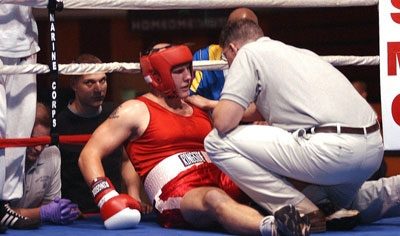
The objective is straightforward. You want to hit the other guy so hard he can’t get up before the count hits ten. That’s a knockout. It’s a win for the survivor. But there’s etiquette. When you score a knockdown, you have to retreat. Not just anywhere. You go to a neutral corner. Stay away from the corners where your trainers are pacing and screaming instructions. Let the ref do his job.
The referee is the only other person in the ring. He checks the fallen fighter. Is he dazed? Can he defend himself? If the boxer rises quickly, the fight might resume immediately. Or it might not.
The Mandatory Eight Count and TKOs
Rules vary. Some systems require a mandatory eight-count. Even if the knocked boxer springs up like a spring-loaded toy, the ref makes him wait. He has to stand there while the ref counts to eight. Only then can he rejoin the bout.
Then there’s the technical knockout. In some rule sets, three knockdowns in a single fight triggers a TKO. It’s recorded as a KO on the winner’s record, which matters for legacy. But a TKO isn’t just about falling down three times. It happens when the fight becomes too dangerous. The ref, the ringside doctor, a trainer, or the boxer himself might call it off. If you’re bleeding too much or taking too much punishment, the fight stops. It’s safer. It’s necessary.
Saved by the Bell?
Timing is everything. Some rules allow a “save by the bell.” If a boxer goes down and the round ends before the ten count is finished, he’s safe. He gets to stumble back to his corner. He gets the minute of rest. He can recover.
Not all systems are that kind. In others, the ten count continues even after the bell rings. The round is over, but the ref is still counting. If the boxer doesn’t get up by ten, he loses. No second chances. No extra rest. Just the count.
Decision Time: When No One Falls
Most fights don’t end in a knockout. The bell rings, and both men are standing. Now what? The judges decide. It’s a numbers game.
Professional bouts use three judges. Sometimes two judges and the referee. Olympic boxing uses five. More eyes. More votes. But the math is simple. Each judge watches every round. They decide who won each round. They assign points. At the end of the match, the points are tallied. The boxer with the most points wins. Or the most rounds. Depends on the scoring system. But the outcome is the same. The guy who looks like he won gets the W.
We’ll dig deeper into how those points are actually assigned in the next section.
It’s not just about who hits harder. It’s a numbers game.
Judges count “scoring punches.” That’s specific terminology. It means punches landing with the knuckle side of the fist. They have to hit the front or sides of the body. Above the belt. Or the head. Olympic judges use a device to track this in real-time. They tally who lands more of these clean shots.
Fouls change the math too. If a boxer commits a foul, his opponent gets two extra punches credited to his total for that round. It’s a penalty that shifts the balance.
Pro boxing is messier. Less robotic. Judges still count punches. But they look at the whole picture. Aggression. Ring control. Tempo. Damage inflicted.
Consider this scenario. Red boxer lands a dozen solid jabs. He looks technically superior. But blue boxer waits. He waits for the opening. Then he nails two hard hooks late in the round. Red boxer is dazed. Staggered. The damage is done. A judge might award the round to blue. Despite the jab count. Why? Because the hooks changed the fight’s trajectory.
Different judges will score this differently. It’s subjective. It’s art as much as sport.
The 10-Point Must System
The points are binary. Mostly.
The system is based on five-, 10-, or 20-point structures. But they all boil down to the same logic. The 10-point must system is the standard.
The winner of a round gets 10 points. The loser gets 9. Simple.
Unless there’s a knockdown. Or one boxer utterly dominates. Then it’s 10-8. If a judge is truly split and can’t decide? It’s a 10-10 draw for that round.
This leads to four possible final decisions for a match.
- Unanimous decision : All three judges agree. Same boxer wins.
- Split decision : Two judges pick one boxer. One judge picks the other.
- Majority decision : Two judges score for the winner. One judge scores a draw.
- Draw : One judge picks boxer A. One picks boxer B. One calls it a draw. Nobody wins.
There’s also a rarer outcome. A majority draw. Two judges call it a draw. One judge picks a winner. It’s a split result but technically a draw for the record.
Weight Classes and Unified Titles
Safety first. That’s why we have weight divisions.
For a century, boxers have been categorized by mass. A 200-pound man fighting a 140-pound man isn’t a contest. It’s a slaughter. The power difference is too great. Injury risk is massive.
Weight divisions keep it fair. Mostly.
The divisions are mostly uniform worldwide. But some sanctioning bodies recognize intermediate categories. Ones that fall in between.
The World Boxing Association (WBA) and World Boxing Council (WBC) stick to standard classes. But the International Boxing Federation (IBF) and World Boxing Organization (WBO) use different names. They call the “super” divisions “junior” versions of the class below.
Example: Super Bantamweight. WBC calls it that. IBF calls it Jr. Featherweight. Same limit. Different label. The weight listed is the upper limit for that division.
Inside each division, there is one World Champion per body.
Each sanctioning body crowns its own champ. They hand out decorative belts. Different organizations. Different titles. It’s confusing.
You might have a WBA Featherweight Champion. And a different IBF Featherweight Champion. Who is the real champ? Depends on which org you respect more.
Promoters hate this confusion. They love it. It drives pay-per-view.
So they set up “unification matches.” Fighters holding belts from different orgs fight. The winner takes both belts.
The WBA, WBO, WBC, and IBF are the big four. They recognize each other’s titles now. If you unite two belts, you’re a Unified Champion. Three belts? Super Champion. All four? Undisputed Champion. That’s the holy grail.
Breaking Into the Title Picture
There is no single global governing body. No single referee for the whole sport.
The influence of the big four varies by region. In Britain, the British Boxing Board of Control (BBBC) holds sway. In Nevada, the State Athletic Commission (NSAC) calls the shots. These local groups set regulations. They enforce safety. But they don’t usually publish their own rankings.
There are dozens of smaller organizations too. Regional titles. Lesser-known belts.
So how do you get a shot?
You climb the ranks.
Organizations publish monthly rankings. Top boxer in the division is at the top. That’s the champ. Below him are the contenders.
Movement happens by fighting. You take on progressively tougher opponents.
Your rank depends on:
– Win-loss record.
– Difficulty of opponents.
– Convincing nature of your wins.
Top contenders get a shot. The current champ is obligated to defend. Once every nine months? Once a year? Depends on the contract.
If one contender stands out, the champ and the contender (well, their managers and promoters) negotiate the terms.
But what if there’s a crowded field? Multiple contenders with equal shots?
Then you get elimination matches. Held over months. One winner emerges. He gets the title shot.
The rest is negotiation. And violence.
You don’t just step into the ring and start flailing. That’s how you end up with a broken hand and a short career. Boxing is a chess match played at high speed, where attack and defense are two sides of the same coin. And it all starts with how you stand.
The Foundation: Stance and Movement
Defense isn’t an afterthought. It begins with the base. For a right-handed boxer, feet sit shoulder-width apart with the right foot slightly behind the left. Reverse that if you’re a southpaw. The right hand guards the chin, elbow tucked tight against the ribs. The left hand stays out, a few inches from the face, elbow bent. This position offers a solid platform to block, dodge, or launch your own offense.
“This gives the boxer an opportunity to block or dodge most punches thrown at him and good base to fire punches from.”
You’ll see fighters drop their gloves lower than this textbook stance. Sometimes it’s a trap—a strategic move to bait the opponent or set up quick body shots. Other times, it’s just exhaustion or laziness creeping in.
Early in the bout, most boxers bob and weave. It’s a rhythmic bounce, shifting weight from foot to foot. It turns the boxer into a moving target, making it harder for an opponent to lock on. But don’t expect this to last. In fights that go beyond six or seven rounds, the bobbing fades. Fatigue sets in. Movement slows. The fancy footwork gives way to raw survival.
The Arsenal: Four Main Punches
It looks like chaos, but modern boxing relies on a tight arsenal of four core punches. They might seem simple, but their execution requires precision.
- Jab : A straight, low-power strike with the lead hand. It’s not about knockout power; it’s about range-finding and testing the waters. A steady stream of jabs can wear down even the toughest opponent.
- Hook : A powerful, arcing punch that swings out to the side before driving back in. It connects with the side of the head or body. You can throw it with either hand, making it a versatile threat.
- Uppercut : Almost always a right-hand weapon. The arm drops, elbow pulled back, then drives upward in an arc. It’s deadly when boxers are clinched up close or when you need to slip under a high guard.
- Cross : The right hand launches from the guard, crossing the body in a straight line toward the opponent’s face. Power comes from shifting weight and driving the right shoulder forward.
Individually, these punches pack a punch. Together, they become devastating. A combination is simply two or more punches thrown in quick succession. The jab-cross is the most common combo for a reason. It sets up the power shot.
Fighting Styles: How Boxers Approach the Ring
Every fighter uses these moves, but the way they piece them together defines their style. Most boxers blend elements, but three main archetypes dominate the sport.
The Boxer
Think technical. Agile. Strategic. These fighters, often called outside fighters, stay at range. They use speed and footwork to stay beyond their opponent’s reach. They wait for an opening, strike quickly, and retreat. Sugar Ray Leonard and Muhammad Ali exemplified this style. They didn’t brawl; they outsmarted.
The Slugger
Power over volume. Sluggers throw fewer punches but make each one count. They rely on brutal, smashing force. One clean hit often ends the match via knockout. George Foreman and Mike Tyson (especially in his later years) fit this mold. It’s not pretty, but it’s effective.
The Inside Fighter
Also known as a swarmer. This style is aggressive and close-range. The fighter moves in quickly, absorbing a few shots to get into the pocket. Once inside, they unleash a barrage of power punches. Mike Tyson in his prime, Joe Frazier, and Roberto Duran were masters of this chaotic, high-pressure approach.
The Grind: Training and Endurance
Hollywood loves to show boxers hitting bags and lifting weights. And that’s part of it. But the foundation is endurance. Try throwing fast punches at the air for three minutes straight. Now do it while jogging in place. You’ll feel the burn in your lungs and your arms. That’s why boxers run. Lots of it.
Traditional training includes:
– Skipping rope for agility
– Punching bags or trainer pads to build power
– Weight lifting for strength and mass
– Sparring to simulate ring pressure
Today, the sport has evolved. Many boxers train in state-of-the-art facilities. Diets are calculated. Training regimes involve computer analytics and expensive machines. Some even incorporate ballet to improve footwork and balance. The core principles remain, but the methods have become more sophisticated.
“A boxer needs tremendous physical endurance.”
The ring doesn’t care about your fancy equipment. It only respects your ability to keep moving, keep thinking, and keep punching when your body wants to quit.
The Brutal Origins of the Ring
You think modern MMA is violent? Look at the Roman Colosseum. Before there were referees or round clocks, boxing was just two guys trying to kill each other with their hands wrapped in leather studded with metal spikes. It started in the Hellenic Era—around 323 to 146 B.C.—and made its way into the earliest Olympic Games as a bare-fisted contest. But when the Romans took over, they turned it into a gladiatorial blood sport. Death wasn’t a risk. It was a likely outcome.
The sport basically vanished after the fall of Rome. It didn’t come back until England in the 18th century. And even then, it was a mess. Few rules. No gloves. Just brawling that looked like what we now call the Ultimate Fighting Championship. James Figg was the first big name to emerge, fighting on a bare wood platform surrounded by a fence. Then came Jack Broughton. He’s the guy you have to thank for not dying every other Saturday. He invented training gloves and wrote the first rudimentary rules. He even added technique. Finally, in 1866, the Marquis of Queensberry stepped in. He sponsored fights under a new set of rules that changed everything. Ten-second count for knockdowns. Three-minute rounds. Padded gloves. No wrestling. It spread worldwide.
Why Las Vegas Beat New York
Boxing’s popularity is a rollercoaster. It stayed strong in England, where it started. It exploded in the US, peaking in the 1930s. But the middle of the 20th century brought chaos. Everyone wanted to be the boss. Too many competing organizations sprang up. No single group took primacy. Even by 2007, the landscape was still a confusing patchwork of belts and councils.
But the real shift happened geographically. New York used to be the capital. Madison Square Garden hosted multiple fights every week. Then the center of gravity moved west. Las Vegas. Why? Legal sports betting. That infusion of cash created multi-million dollar purses. It created the pay-per-view era. The money changed the sport forever.
The Human Cost of the Gloves
The Marquis of Queensberry rules saved faces. They didn’t save brains. Boxing injuries remain a critical part of the sport’s history. Concussions. Broken hands. Retinal detachments. These aren’t just stats. They’re the cost of admission.
Deaths still happen. Rarely in professional bouts with medical supervision, but they do occur. The debate over safety gear continues. Some argue harder gloves cause more damage to the brain by allowing fighters to hit harder without breaking their hands. Others say padded gloves protect the skull. The truth is somewhere in the middle. The sport is safer than it was in 1866. It’s also more lucrative than ever. That’s a trade-off.
Who decides if the money is worth the risk?
The Hidden Cost of the Sweet Science
Boxing is brutal. It’s one of the only sports where your main objective is to hurt the other guy. When a fighter hits the canvas, he’s not just losing his balance. He’s been blasted in the head. Repeatedly. He’s dazed, disoriented, or out cold. One punch can cause permanent damage. Pros fight dozens of times. The British Medical Association, American Medical Association, and Australian Medical Association all want to ban the sport. They think it’s too dangerous.
The risks are two-fold. You have acute injury. That’s the stuff that kills you in the ring. Then there is the slow burn. Cumulative brain damage. The long-term damage.
Fatalities in the Ring
Boxers have died in the ring. Or shortly after. The list is long. Gerald Mclellan. Leavander Johnson. Jimmy Doyle. Duk-Koo Kim. Kim’s mother and the referee committed suicide after he died. Benny Paret. Randie Carver. Becky Zerlentes. She was a female boxer. As of December 2006, more than 1,300 boxers had died from fighting injuries. The count keeps rising. Between 1890 and 2019, 1,876 boxers died directly from bout injuries.
The Aftermath of Retirement
Death is quantifiable. You can count the bodies. It’s harder to measure the lives that are broken after retirement. Fighters whose brains deteriorate. There is enough medical evidence to support the claim that boxing leads to long-term brain damage. You don’t have to die to lose yourself.
Corruption and Gambling
Boxing is also dogged by corruption. It goes back to the bare-fisted fights in England. Fighters “throw” matches. They lose on purpose. Usually to pay off a large bet. Gambling is tangled up in the sport. Legal betting in Vegas doesn’t help. It just adds money to a system that feels rigged. Managers and promoters make huge sums. They put poor urban kids through a grueling career. Bribes and payoffs flow to promoters and gaming officials. It’s a complex web. No wonder critics hate the sport.
How to Box and Why It Lasts
What moves are illegal? Striking below the belt. Striking when an opponent is down. Kicking. Elbows. Forearms. Slapping. Head butting. Biting ears. Grabbing ropes. Poking eyes. Wrestling. Holding excessively.
There are three main styles of boxing. The Boxer. The Slugger. The Inside Fighter.
Mike Tyson made $685 million. Forbes reports this figure. It’s a lot of money for hitting people.
Why is boxing so popular? The center of US boxing shifted from New York City to Las Vegas. Legal sports betting added a lucrative side business. Multi-million dollar fight purses. Pay-per-view TV. The money kept flowing.
The Rules of Engagement
You can’t just hit whoever, whenever. The rules are strict. If you violate them, you get a warning. Or a point deduction. Or a disqualification.
- Striking below the belt is illegal.
- Striking when an opponent is down on the canvas is illegal.
- Kicking is illegal.
- Striking with elbows or forearms is illegal.
- Slapping is illegal.
- Head butting is illegal.
- Biting ears is illegal.
- Grabbing onto the ropes is illegal.
- Poking the eye with a thumb is illegal.
- Wrestling is illegal.
- Grappling is illegal.
- Holding opponent excessively is illegal.
Styles and Strategies
Boxers have styles. They adapt to their opponents.
- The Boxer. Fast feet. Good hands. Outpoint the opponent.
- The Slugger. Power punches. Try to end it early.
- The Inside Fighter. Work on the inside. Clinch. Make it messy.
Which style is best? It depends on the fighter. Mike Tyson was a slugger. Muhammad Ali was a boxer. Some fighters switch styles mid-fight.
The Business of Boxing
Who runs boxing? There are four major organizations.
- World Boxing Association (WBA)
- World Boxing Organization (WBO)
- World Boxing Council (WBC)
- International Boxing Federation (IBF)
These groups sanction fights. They award belts. They set rankings. It’s a complicated hierarchy. Promoters negotiate with these organizations. They want the title shots. They want the money.
Sources and Further Reading
For lots more information on boxing and related topics, check out the links on the next page.
World Boxing Association
World Boxing Organization
World Boxing Council
International Boxing Federation
The Boxing Times
References
Andrea, Sam and Fleischer, Nat. An Illustrated History of Boxing. Citadel, (January 11, 2002). 978-0806522012.
Australian Medical Association. “Boxing ring no place for kids – AMA.”
BBC Sport. “US woman dies after boxing match.” April 5, 2005.
British Medical Association. “Boxing – the BMA’s position.” August 2006 briefing.
Durant, John. The Heavyweight Champions. Hastings House, 1976. 978-8038302037.
Elliot, Victoria Stagg. “AMA pulls no punches, reiterates boxing ban.” American Medical News, July 2002.
Gerbasi, Thomas. “For Those Who Died.” Jan. 10, 2003.
Luhning, Aaron. “Boxing Styles: Swarmer, Slugger, Boxer, Boxer-Puncher.”
Mullan, Harry. Boxing: The Complete Illustrated Guide. Carlton Publishing Group (August 1, 2003). 978-1842228098.
Svinth, Joseph R. “Death under the Spotlight: The Manuel Velazquez Boxing Fatality Collection.” Journal of Combative Sport, Jan. 2007.
U.S.A. Boxing. “Technical Rules.”
World Boxing Association. “Official Ratings As of February 2007.”
“Amateur Boxing Linked To Brain Cell Injury.” Journal of the American Medical Association, Sept. 18, 2006.