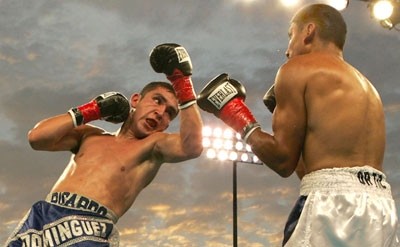
Boxing is ancient. It’s brutal. And it’s surprisingly simple on the surface. Two people, usually men, stand in a square and try to hit each other until one can’t stand up or thinks twice about continuing. But if you think it’s just a barroom brawl with gloves, you’re missing the point. Add centuries of history, a parade of unhinged personalities, a steady stream of controversy, and the very real chance of glory or ruin, and you get something way more complex than a test of who has the harder punch.
We are breaking down the mechanics. How you win. How you lose. The titles that matter. The science. The history. And the danger that keeps everyone on edge.
The Ring, The Rules, and What You Can’t Do
It’s not a free-for-all. Boxing has rules. They exist to keep the sport from turning into a street fight, to protect the fighters, and to make sure fans actually care about the outcome. The rulebook shifts depending on whether you are watching Olympic amateur boxing or a pro card. Even between pro organizations, the fine print changes. Before a big fight, there is a meeting. Everyone agrees on the specific rules for that night.
Then there is the stage itself. The ring. It’s a raised square platform. Canvas on top. About an inch of padding underneath. Ropes stretch between steel posts at the corners. The size? It varies. Smaller venues might squeeze in a 16-foot square. Olympic rules allow up to 20 feet. Some pro orgs go as wide as 25 feet. Space matters.
Inside those ropes, you can’t just do whatever you want. There is a strict list of banned moves. Break them, and you get points deducted. Do it enough? You get disqualified.
Here is what gets you in trouble:
- Hitting below the belt.
- Striking someone who is down on the canvas.
- Kicking.
- Elbows. Forearms. Slaps with the inside of the hand.
- Head-butting.
- Biting ears. Yes, this is a rule. Mike Tyson tried to prove the rulebook was wrong. He failed.
- Holding onto the ropes for support while hitting.
- Poking the eye with a thumb. Muhammad Ali’s right eye was swollen and red after George Foreman did exactly this in 1974 during the “Rumble in the Jungle.”
- Excessive wrestling or grappling.
These aren’t suggestions. They are limits.
Rounds, Gloves, and Gear
Time is the enemy. A match is split into rounds. Two or three minutes of violence. Then one minute to rest. Professional championship fights go twelve rounds. They used to go fifteen. That changed for safety. Lower-level pros might fight ten rounds or fewer. Amateurs fight three, four, or five rounds. Two minutes each. Juniors go even shorter.
The gear matters. Gloves are padded leather. They protect the hands, sure, but they also cushion the blow to the opponent. Underneath, hands are wrapped in athletic tape. Inspectors check this closely. Amateur boxers wear headgear too. It’s not to stop concussions primarily. It’s to stop cuts. Cuts stop fights.
How Do You Actually Win?
So you are in the ring. The clock is ticking. How do you leave as the winner?
There are three main ways.
1. Knockout (KO)
This is the obvious one. Your opponent falls down and cannot answer the referee’s count of ten. Or they are so dazed they cannot continue. It’s clean. It’s definitive. It’s why people watch.
2. Technical Knockout (TKO)
The referee steps in. The doctor steps in. Or a corner throws in the towel. Why? Because continuing would be dangerous. The fighter is getting beaten up but isn’t technically out cold. The ref protects the fighter. The fight ends. The other guy wins.
3. Decision
No knockout. No TKO. The bell rings after the final round. The judges have been keeping score. They use the “ten-point must” system. The winner of a round gets 10 points. The loser gets 9 (or fewer if they were dominated). After all the rounds, the scores are added up. The higher number wins. It’s subjective. It’s messy. It’s why you see controversial results every week.
4. Disqualification (DQ)
If you break the rules badly enough, you lose. No points. No mercy. Just a loss for fouls.
5. Draw
The scores are tied. Or close enough that the judges can’t decide. A draw happens less often now, but it still happens. Nobody wins. Both leave disappointed.
Why Do People Fight?
Glory. Money. Fame. Survival.
For the pros, it’s a career. A ladder. You start at the bottom. You climb. You challenge for a title. There are four major sanctioning bodies in pro boxing: WBA, WBC, IBF, and WBO
How boxing knockouts and decisions actually work
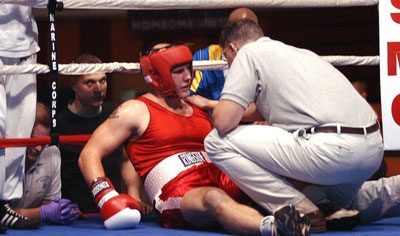
You want the lights out. That’s the whole point. A boxer tries to stun an opponent so hard he can’t stand before the referee hits ten. That’s a knockout (KO). The guy still breathing wins. Simple.
But there’s a catch. You can’t just stand over your downed rival and gloat. You have to retreat to a neutral corner. Not your corner. Not theirs. Just an empty spot in the ring where you sit on your hands until the dust settles.
If the other guy gets up fast? The ref checks him. Is he okay? Can he defend himself? If yes, the fight continues. In some places, the ref forces a mandatory eight count anyway. Even if you’re bouncing back, you wait. It’s a reset button.
Three knockdowns in one fight? Usually, that’s a technical knockout (TKO). The ref stops it. The doctor steps in. The trainer throws in the towel. Or the boxer himself says “I’m done.” It’s recorded as a KO on the winner’s record, but it’s technically a TKO.
Sometimes the bell saves you.
If you’re down and the round ends before the count hits ten, you might get a pass. In some rulebooks, you crawl to your corner. You get sixty seconds of rest. Ice on the head. Words of encouragement. Then you go back out. In other systems? No mercy. The count continues. You’re done.
Most fights don’t end with a body on the canvas. They end with judges. Three of them. Sometimes five, if you’re watching Olympic boxing. They watch every round. They decide who won the round. They assign points.
It’s not just about who landed more punches. It’s about effective aggressiveness. Ring generalship. Defense. Clean punching. The scores add up. The guy with the most points wins by decision.
It’s messy. It’s subjective. But it’s the game.
How boxing scoring systems determine the winner
So how do you actually score a round? It’s not a video game counter.
Judges use the ten-point must system. The winner of the round gets ten points. The loser gets nine. Usually.
If one boxer dominates completely? A ten-eight round. Maybe even a ten-seven, though that’s rare. If it’s evenly matched? Ten-ten. But judges hate ten-ten. It feels like a cop-out. They prefer to pick a winner, even by a hair.
The scores are hidden until the end. No live updates. No pressure from the crowd. Just three people in a booth, scribbling on paper, trying to remember what happened in round four while round twelve is happening.
Olympic boxing used to be different. Five judges. Majority wins. But pro boxing? It’s the three-judge panel. Their cards are collected. Tally the points. The highest total wins.
Split decisions happen all the time. One judge has it 115-112 for you. Another has it 113-114. The third agrees with the first. You win. You might feel like you lost. The crowd might boo. But the card says you won.
It’s not perfect. It’s not precise. But it’s how we know who’s better. Most of the time.
Why judges score the way they do in pro boxing
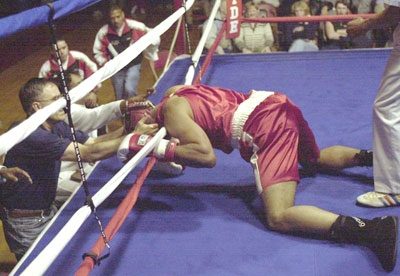
Counting punches sounds simple. It’s not. In the amateurs, Olympic judges use a device to track “scoring punches.” Clean hits with the knuckles. Front or side of the body above the belt, or the head. That’s it. Fouls matter too. Commit one, and your opponent gets two extra scoring punches added to their round total. It’s mechanical. Fair, mostly.
Pro boxing? Subjective chaos.
Judges still count. But they also weigh aggression. Ring control. Tempo. Damage. Let’s say the red corner lands a dozen sharp jabs. Clean. Effective. The blue corner misses most shots but connects with two brutal hooks late in the round. Red is dazed. Staggered. The judges might give that round to blue. Completely different judges might score it differently. One sees volume. Another sees impact. There is no single “correct” way.
The scoring system itself is rigid. Usually a 10-point must system. Winner gets 10. Loser gets 9. If someone gets knocked down or dominated completely? It becomes a 10-8 round. Can’t decide who won? It’s 10-10. Rare, but it happens.
Then comes the final decision. Four main outcomes:
- Unanimous decision : All three judges agree on the winner.
- Split decision : Two judges pick one fighter, one picks the other.
- Majority decision : Two judges pick a winner, one scores it a draw.
- Draw : One judge picks Fighter A, one picks Fighter B, one scores a draw. Nobody wins.
There’s also the majority draw. Two judges see a draw. One picks a winner. Technically a draw, but feels like a loss for the guy who didn’t get the single “win” score. It’s rare. Frustrating.
What makes a boxer an undisputed champion
Weight classes exist for safety. Power comes from mass. A 200-pound heavyweight versus a 140-pound featherweight isn’t a contest. It’s a hazard. For a century, boxing has divided fighters by weight. The World Boxing Association (WBA) and World Boxing Council (WBC) set the standard. The International Boxing Federation (IBF) and World Boxing Organization (WBO) usually follow, though they use different names for some limits. Super Bantamweight to WBA/WBC is Jr. Featherweight to IBF. Same weight. Different label.
Each sanctioning body crowns its own World Champion in each division. You get a belt. A shiny one. But here’s the trap: there isn’t one champion. There’s a WBA champ. An IBF champ. A WBC champ. A WBO champ. All in the same weight class. All claiming to be the best. Confusing? Absolutely.
Promoters love this mess. It creates fights. “Unification matches” are the goal. Fighter A holds the WBA belt. Fighter B holds the WBC belt. They fight. The winner holds both. Unified Champion. Hold three belts? Super Champion. Hold all four? Undisputed Champion. The title sounds heavy because the achievement is rare. Most fighters spend their careers chasing one belt. Undisputed status is the gold standard.
How to earn a shot at the title
Who decides who fights for those belts? No single global authority exists. The WBA, WBO, WBC, and IBF are the big four. But their power shifts by region. In the UK, the British Boxing Board of Control (BBBC) has say. In Nevada, it’s the Nevada State Athletic Commission (NSAC). These local bodies enforce rules within their borders. They don’t publish global rankings. They just make sure the gloves are legal and the ring is square.
So how do you get a title shot? You climb the ladder.
Sanctioning bodies publish monthly rankings. The champ sits at the top. Below him are the contenders. You move up by beating better opponents. Your record matters. The quality of your wins matters more. A convincing victory over a high-ranked fighter boosts your standing. A narrow win over a journeyman? Not so much.
The top contenders get called up. The champ must defend. Usually every nine months to a year. If one contender clearly dominates the rankings, the managers and promoters negotiate the terms. Money. Location. Date. If several contenders are tied, they fight each other. Elimination bouts. Winner gets the title shot. Loser goes back to the grind.
It’s brutal. Efficient. You either earn the right to fight for the belt, or you keep working for someone else’s payday.
The Mechanics of the Sweet Science
Throwing haymakers and hoping for the best? That’s not boxing. That’s a street fight. And in the pro ranks, that approach gets you knocked out in the first round. Real boxing is a chess match played with your fists. It’s about control. Distance. Timing.
It starts with the stance. Shoulders width apart. Right foot back. Left foot forward. (Swap sides if you’re a southpaw.) Chin tucked behind the right glove. Left hand extended just enough to block, elbow bent. This isn’t just standing around. It’s a loaded spring. Every punch fires from this base. You see guys dropping their gloves low? Maybe they’re trying to trick you into a body shot. Or maybe they’re just tired. Lazy. Don’t be lazy.
Movement matters. Early in a fight, you’ll see the bob and weave. Bouncing off the balls of your feet. Shifting side to side. It makes you a blur. Hard to hit. Hard to predict. But watch the late rounds. Past round six or seven, the bouncing stops. Legs get heavy. The dance slows down. That’s when defense cracks.
Mastering the Four Essential Punches
There aren’t a hundred ways to punch. Just four. Master these, and you have the toolkit. Combine them, and you have a weapon.
- The Jab – The left hand. Straight. Fast. Low power? Maybe. But it’s the opener. It sets the range. It tests the waters. Throw enough jabs, and an opponent’s face swells. Their focus fades. It’s the foundation.
- The Cross – The right hand. Straight line from chin to target. Weight shifts forward. Shoulder drives through. This is your knockout power. The follow-up to the jab.
- The Hook – Arcing. From the side. Hits the temple or the ribs. Either hand can throw it. It’s short-range devastation.
- The Uppercut – Upward arc. Usually right hand. Elbow tucked, then explodes upward. Great for getting under a guard. Great for closing the distance.
Alone, they work. Together, they’re lethal. A jab-cross combo is the bread and butter. Why? Because the jab opens the door. The cross kicks it down.
Choosing Your Fighting Style
Every fighter has a style. It’s not just moves. It’s identity. Most boxers mix these three archetypes, but usually one dominates.
- The Boxer – The technician. The outside fighter. They stay on the perimeter. Too fast to catch. Too smart to engage blindly. They wait for a mistake. Then they strike. Quick. Precise. Then they’re gone. Sugar Ray Leonard? Muhammad Ali? They were masters of the distance. They fought by decision because they controlled the narrative.
- The Slugger – The power hitter. They don’t throw many punches. They don’t need to. One shot. One connection. Game over. George Foreman. Late-career Mike Tyson. They walk around looking for the knockout. They absorb pain to deal pain. It’s brutal. It’s effective.
- The Inside Fighter – The swarm. They dive in. They take shots to give shots. Once they’re glued to you, they unleash a barrage. Head. Body. Head. It’s aggressive. It’s suffocating. Prime Mike Tyson. Joe Frazier. Roberto Duran. They didn’t want you to breathe. They wanted you to panic.
Which style wins? It depends. Speed beats power sometimes. Power beats aggression often. But skill? Skill usually outlasts both.
The Grind Behind the Gloves
Movies show the montage. The slow-motion punches. The inspirational music. They skip the boredom. The pain. The running.
Try it. Throw fast punches at thin air for three minutes. No breaks. Then jog in place while doing it. Your arms will burn. Your lungs will scream. That’s why boxers run. Miles and miles of it. It builds the engine. Without endurance, technique is useless. You gas out. You get hit.
Then comes the rest. Jump rope for agility. Heavy bags for power. Mitts for precision. Weight training for mass. Sparring for experience. It’s not glamorous. It’s repetitive. It’s hard.
Modern fighters have it easier, maybe. High-tech gyms. Custom diets. Data analytics. Even ballet classes for flexibility. But the core work? Still sweat. Still pain. Still early mornings.
From Olive Crowns to Broken Bones
Boxing isn’t new. It’s ancient. Records go back to the Hellenic Era. 323-146 B.C. Bare-knuckle fights were part of the original Olympic Games. No gloves. No rules. Just fists and pride.
Then the Romans took over. And they made it worse. It became a blood sport. Gladiatorial. Fists wrapped in leather studded with metal spikes. Kravates. Fights went to the death. No count. No mercy. Just survival.
We’ve come a long way since then. Gloves. Rounds. Referees. But the violence? That’s still there. Just managed. Just contained.
Is it safer now? Arguably. But the history is written in bone. And blood.
The messy birth of modern boxing rules
Organized fighting didn’t really exist for a long time. Then it did. England in the 18th century.
It was chaotic. Bare-knuckle brawls that looked suspiciously like early MMA. No refs. No gloves. Just guys hitting each other until someone quit or passed out.
James Figg started it all. The first legend. He fought on a bare wood platform surrounded by a fence. Imagine that. Then came Jack Broughton. He’s the guy who actually tried to bring order to the chaos. He’s considered the father of boxing rules because he invented training gloves. He added technique. He made it a sport instead of just a street fight.
But the real shift? That came in 1866.
The Marquis of Queensberry sponsored a fight under new rules. These aren’t suggestions. They are the foundation of what we watch today.
- Ten-second count for knockdowns
- Three-minute rounds
- Padded gloves (mandatory)
- No wrestling-style moves
These rules spread. Slowly. Then everywhere.
Why boxing moved from New York to Las Vegas
Boxing’s popularity has always been a rollercoaster. It never really died in England. It’s the birthplace. But the US? That was the golden age. Specifically the 1930s.
New York City was the capital. Madison Square Garden hosted multiple fights every week. It was the center of the universe for fans.
Then the center shifted. West. To Las Vegas.
Why? Money.
Legal sports betting changed the game. It added a lucrative side business that New York didn’t have. That infusion of cash created the era of multi-million dollar fight purses. It birthed the pay-per-view TV model.
But who runs it? Nobody. Really.
The 20th century saw attempts to form one worldwide boxing organization. It failed. Why? Too many competing groups. No single body took primacy.
Even in 2007, it was a confusing patchwork. It still is. Multiple belts. Multiple sanctioning bodies. It’s messy. It’s complicated. And fans have to navigate it alone.
Boxing Injuries and Deaths
The history is violent. The revival brought structure, but not safety. Not at first.
The bare-knuckle era had its own dangers. Broken faces. Concussions. But the introduction of gloves changed the physics. You can hit harder with a padded hand. You can keep hitting.
The Queensberry rules helped. The ten-second count forced breaks. The three-minute rounds limited exposure. But the risk never left.
Deaths in the ring. Injuries that linger for decades.
The sport evolved to manage this. Better medical checks. Stricter regulations. But the fundamental nature of the game remains. One man against another. In a square circle. With no way out but through.
The rules changed the game, but they didn’t change the risk.
We watch because it’s raw. Because it’s real. Because someone is willing to take that hit.
The organizations fight for control. The cities fight for prestige. The fighters fight for survival.
It’s a patchwork. It’s chaotic. And it’s exactly what we want.
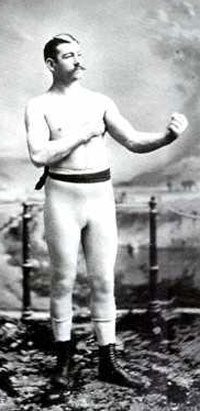
The Hidden Cost of the Sweet Science
Success in boxing is brutally simple. It comes down to how much damage you can do. When a fighter goes down, it isn’t usually a slip. It’s a result of repeated trauma to the head. Dazed. Disoriented. Unconscious. One punch can cause permanent harm. Professionals throw dozens of rounds over decades of career fights. The medical community sees this clearly. The British Medical Association, American Medical Association, and Australian Medical Association have all called for a total ban. They view the sport as inherently unsafe.
The risks split into two categories. Acute injuries can kill you in the ring or shortly after. The list of fatalities is grim. Gerald Mclellan. Leavander Johnson. Jimmy Doyle. Duk-Koo Kim. His death was so traumatic that both the referee and his mother committed suicide in the aftermath. Benny Paret. Randie Carver. Becky Zerlentes. By December 2006, over 1,300 boxers had died from fight-related injuries.
Long-term damage is harder to measure but just as devastating. Brains deteriorate after retirement. The medical evidence supports the claim that boxing causes cumulative brain injury. It is a slow erosion of self.
Corruption and the Business of Fighting
Boxing has always been dogged by suspicion. Since bare-knuckle days in England, fighters have been accused of throwing matches. Usually to satisfy big bets. Gambling and corruption walk hand in hand. Legal betting in Las Vegas does nothing to stop the perception of fixed fights. It might not even stop the reality.
Managers and promoters rake in huge sums. Meanwhile, poor urban kids endure a grueling, brutal career. Add in the web of bribes and payoffs to officials, and it is easy to see why critics hate the sport. The money flows upward. The damage stays with the fighter.
Boxing Rules and Myths Explained
What moves are illegal in boxing?
Striking below the belt. Kicking. Elbows. Forearms. Slapping. Head-butting. Biting. Grabbing the ropes. Eye pokes. Wrestling or holding the opponent excessively. Hitting a downed opponent is also banned.
What are the main styles of boxing?
There are three primary approaches. The Boxer. The Slugger. The Inside Fighter. Each relies on different strengths and ranges.
How much did Mike Tyson make in his career?
Forbes reports a staggering $685 million. That is a lot of money for a lot of pain.
Can boxing kill you?
Yes. Between 1890 and 2019, 1,876 boxers died directly from injuries sustained in bouts. The numbers do not lie.
Why is boxing so popular?
The center of gravity shifted from New York City to Las Vegas. Legal sports betting created a lucrative side business. Money fueled multi-million dollar purses. Pay-per-view TV spread the reach. The spectacle sold itself.
Where to Find More Information
For deeper dives into the history, rules, and controversies, these resources provide structured data.
- World Boxing Association
- World Boxing Organization
- World Boxing Council
- International Boxing Federation
- The Boxing Times
Sources
- Andrea, Sam and Fleischer, Nat. An Illustrated History of Boxing. Citadel, (January 11, 2002). 978-0806522012.
- Australian Medical Association. “Boxing ring no place for kids – AMA.” http://www.ama.com.au/web.nsf/doc/WEEN-5T336K
- BBC Sport. “US woman dies after boxing match.” April 5, 2005. http://news.bbc.co.uk/sport/hi/boxing/4414235.stm
- British Medical Association. “Boxing – the BMA’s position.” August 2006 briefing. http://www.bma.org.uk/ap.nsf/Content/BoxingPU
- Durant, John. The Heavyweight Champions. Hastings House, 1976. 978-8038302037.
- Elliot, Victoria Stagg. “AMA pulls no punches, reiterates boxing ban.” American Medical News, July 2002. http://www.ama-assn.org/amednews/2002/07/08/hlsb0708.htm
- Gerbasi, Thomas. “For Those Who Died.” Jan. 10, 2003. http://www.maxboxing.com/Gerbasi/gerbasi011003.asp
- Luhning, Aaron. “Boxing Styles: Swarmer, Slugger, Boxer, Boxer-Puncher.” http://www.how-to-box.com/boxing/boxing_styles
- Mullan, Harry. Boxing: The Complete Illustrated Guide. Carlton Publishing Group (August 1, 2003). 978-1842228098.
- Svinth, Joseph R. “Death under the Spotlight: The Manuel Velazquez Boxing Fatality Collection.” Journal of Combative Sport, Jan. 2007. http://ejmas.com/jcs/jcsart_svinth_a_0700.htm
- U.S.A. Boxing. “Technical Rules.” http://www.usaboxing.org/TechnicalRules.pdf
- World Boxing Association. “Official Ratings As of February 2007.” http://www.wbaonline.com/ratings/rankings/2007/wba0207.pdf
- “Amateur Boxing Linked To Brain Cell Injury.” Journal of the American Medical Association, Sept. 18, 2006. http://www.sciencedaily.com/releases/2006/09/060915204035.htm