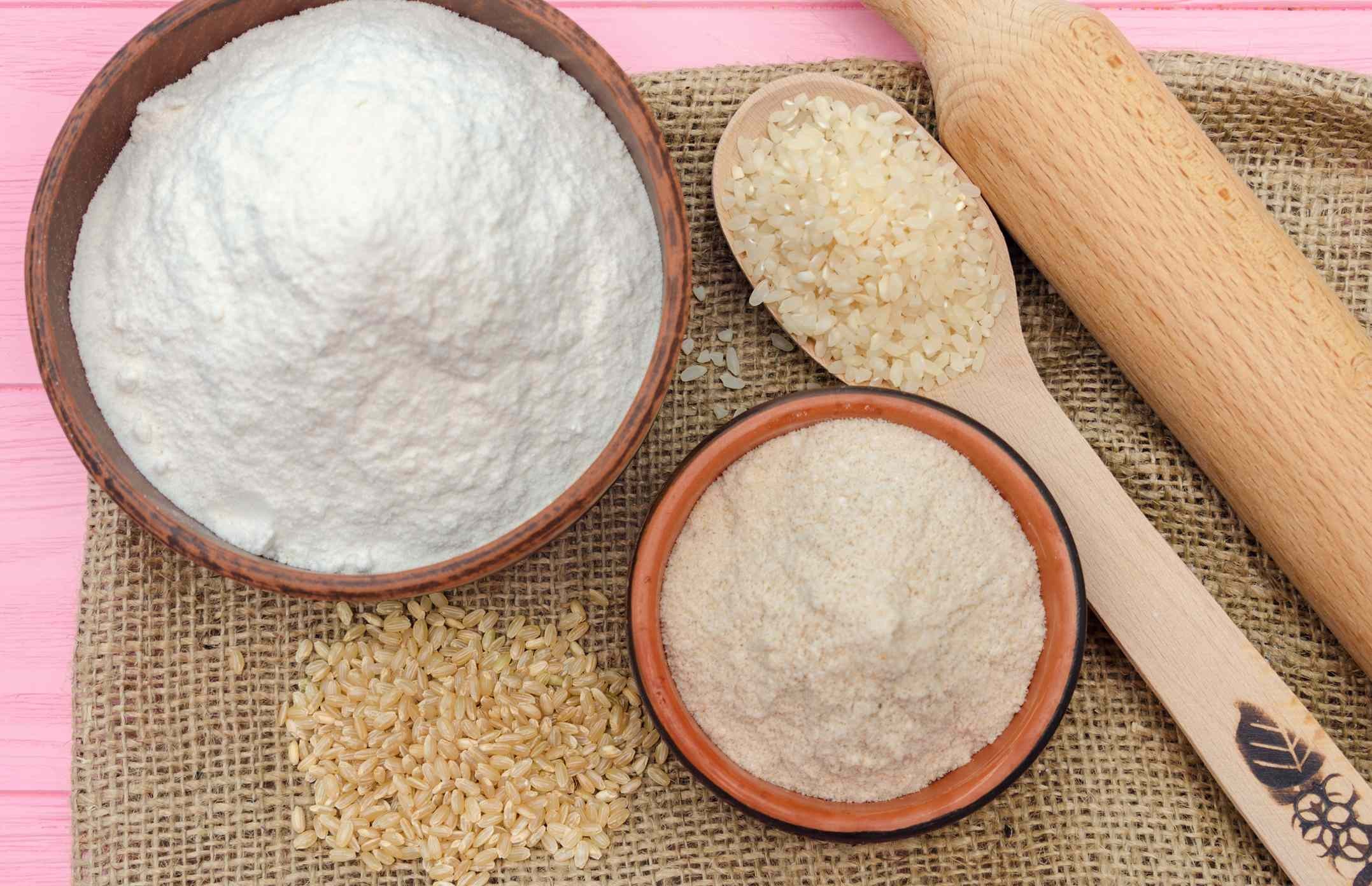
Whole grains are a cornerstone of healthy eating, offering substantial benefits that extend beyond simple nutrition. They support weight management, improve heart health, and even potentially increase longevity. But understanding which grains matter and why is crucial. This guide breaks down the science-backed advantages of whole grains, clarifies common misconceptions, and offers practical advice for incorporating them into your diet.
What Makes a Grain “Whole”?
The key difference lies in the structure. A whole grain contains all three parts of the kernel: the bran (fiber-rich outer layer), the germ (nutrient-packed embryo), and the endosperm (starchy core). This combination delivers a wider range of nutrients than refined grains, where the bran and germ are stripped away during processing.
Examples of whole grains include bulgur, farro, oatmeal, and whole-wheat flour. Beware of products labeled simply “wheat bread” or “multigrain” — these often contain refined grains and added coloring to appear healthier than they are. Always check the ingredient list for “whole wheat” or “100% whole wheat” as one of the first three ingredients.
The 10 Key Health Benefits of Whole Grains
The benefits of consuming whole grains are well-documented. Here’s a breakdown of the most impactful advantages:
-
Resistant Starch for Gut Health: Unlike most carbohydrates, resistant starch isn’t easily digested in the small intestine. Instead, it ferments in the large intestine, feeding beneficial gut bacteria (probiotics). Aim for 15-20 grams daily from sources like cooked rice, oats, or green bananas.
-
Lower Blood Pressure: The fiber in whole grains helps regulate blood pressure, reducing the risk of heart disease — the leading cause of death in the U.S. Higher intake correlates with lower blood pressure levels.
-
Reduced Inflammation: Whole grains contain antioxidants and anti-inflammatory compounds that may lower levels of C-reactive protein (CRP), a marker linked to conditions like heart disease, diabetes, and pregnancy complications.
-
Potential for Increased Longevity: Studies suggest that whole grain consumption may be linked to a decreased risk of premature mortality, even outperforming high-protein or high-fat diets in life expectancy.
-
May Reduce Cancer Risk: While research is ongoing, evidence suggests that whole grains may lower the risk of colorectal, breast, and pancreatic cancers.
-
Oral Health Protection: The anti-inflammatory properties of whole grains can protect against gum disease, which is linked to broader health issues like heart disease.
-
Cholesterol Management: Certain whole grains, like oatmeal, can help lower LDL (bad) cholesterol levels, reducing the risk of heart disease.
-
Stable Blood Sugar: The soluble fiber in whole grains slows digestion, preventing rapid blood sugar spikes. This is especially beneficial for individuals with prediabetes or diabetes.
-
Improved Gut Function: Insoluble fiber promotes digestive health and may protect against conditions like diverticulitis (inflammation of pouches in the colon). Eating whole grains for as little as six weeks can increase the number of healthy bacteria in your gut.
-
Weight Management Support: The fiber in whole grains increases fullness, potentially reducing overall calorie intake. While not a direct weight-loss solution, they can contribute to healthy eating habits.
Nutritional Breakdown: What You Get from Whole Grains
One slice of multi-grain bread (containing whole grains) provides roughly 69 calories, 1.1 grams of fat, 99 mg of sodium, 11.3 grams of carbohydrates, 1.9 grams of fiber, 1.7 grams of added sugars, and 3.5 grams of protein. Compared to white bread, whole grains deliver nearly four times the fiber per two slices.
Whole grains are also richer in essential minerals like iron, magnesium, selenium, and zinc, all vital for bodily functions. Teff, an Ethiopian grain, stands out for its calcium content (123 mg per cooked cup).
Risks and Considerations: Gluten Sensitivity
For most people, whole grains are safe. However, individuals with celiac disease must avoid gluten-containing grains (wheat, rye, barley), which trigger an autoimmune response. Gluten-free alternatives include amaranth, buckwheat, cornmeal, gluten-free oats, millet, quinoa, and rice.
Making the Switch: Practical Tips
To maximize the benefits, choose products labeled “whole grain” or “100% whole wheat.” Aim for 5-8 servings daily. Simple swaps include switching to whole-wheat bread, brown rice, or oatmeal.
The consistent inclusion of whole grains is more impactful than occasional indulgence. Focus on making them a staple in your diet, prioritizing nutrient density over mere convenience.
Whole grains aren’t just about nutrition; they’re about building a sustainable, health-focused lifestyle. By understanding the science behind their benefits and making informed choices, you can unlock their full potential for long-term well-being.