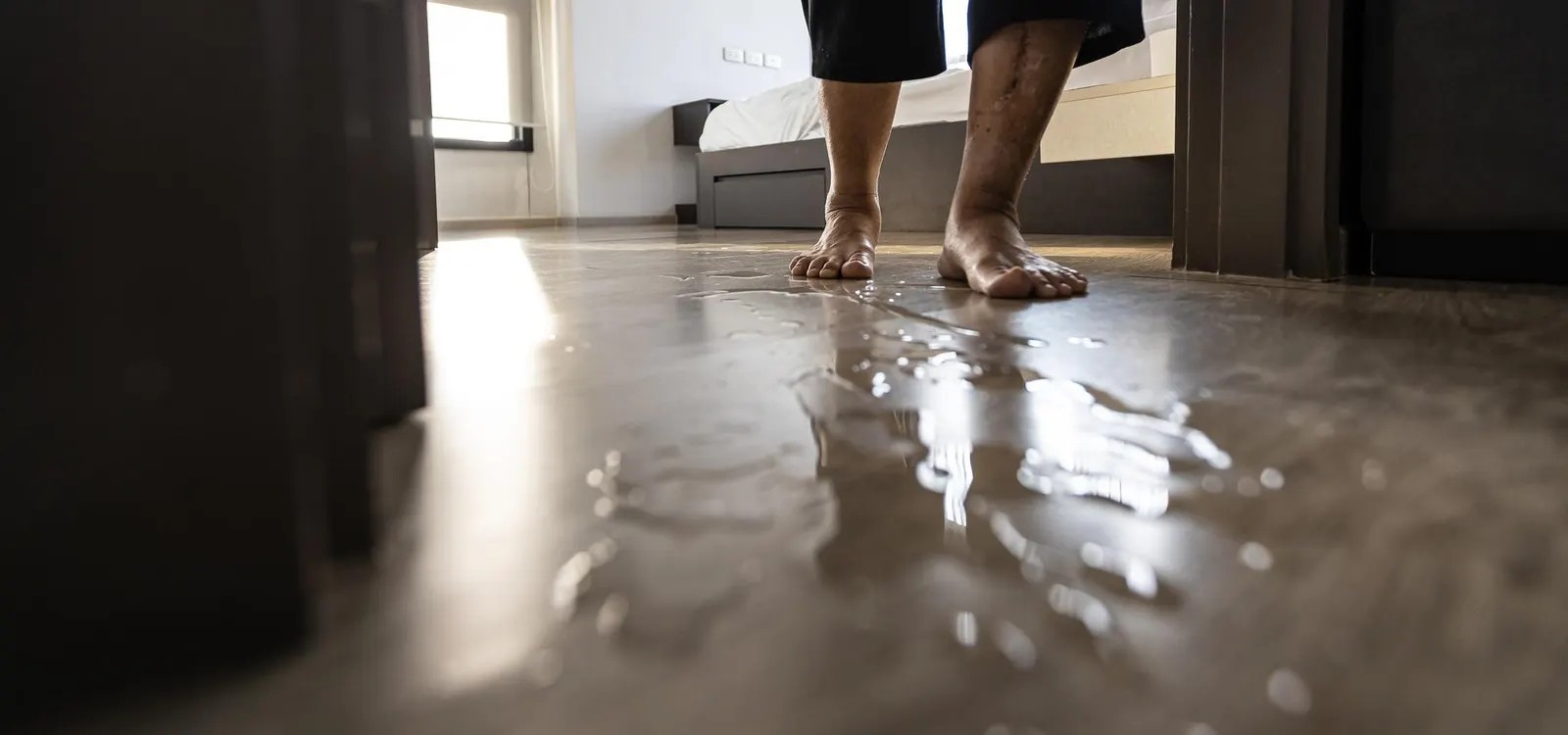
On the Senate floor, Senator Angus King of Maine did something unusual. He held up a bath mat. It cost eleven dollars. Not expensive. He argued that sending out 30 million of them would slash the $100 million bill for elderly falls. His point was simple. Prevention is cheaper than repair. Yet here we are. Medicare will pay for your broken hip. They won’t pay for the rubber mat that might have stopped it.
“The math is straightforward: prevention costs far less than hospitalizations.”
Sen. Angus King
This isn’t just bureaucratic absurdity. It’s a failure to see trauma for what it is. In the emergency department, I see it daily. An old person doesn’t just fall. The fall changes everything. It’s the dividing line. Before and after. The fall is smoke. The house is already burning.
The Smoke Signal
We think of a broken bone. That’s all. A mechanical failure. Fix the bone. Send them home. Wrong.
“Families often walk in thinking it’s a broken bone,” Dr. Kalpana Shanker tells me. She works at Brigham and Women’s Hospital and teaches at Harvard. “Sometimes it’s the beginning of the end.”
Hip fractures are terrifying. One year later, about 22% of those patients are dead. The number jumps higher if they have dementia or were frail to start with. But the hip is just the headline story. The subtext is worse.
Falls are the #1 cause of traumatic brain injury (TBI) in seniors. More than half of all cases. People over 75 have the highest risk of dying from TBI. And many are on blood thinners. Atrial fibrillation, stroke prevention—they take anticoagulants. They hit the floor. Their brain bleeds.
The mortality rate for that kind of bleed? 15.5%.
We underestimate it. Ground-level falls seem harmless. Oh, he just slipped on the rug. Wrong. It’s the most common way older adults get intracranial hemorrhage. I’ve had patients wander in days later. Confused. Vomiting. Brain bleed. They fell from standing height. Not off a ladder. Just standing. The long-term death rate is higher for these low-impact falls than you’d guess. Because everyone underestimates the fall.
Ribs hurt too. Broken ribs make you breathe shallow. Pneumonia sets in. Spine breaks cause chronic pain. You stop moving. You wither. The decline is slow, silent, and inevitable.
The Spiral
Dr. Kei Ouchi also teaches emergency medicine at Harvard. He sees the trajectory. An ED visit changes the map of your life.
“ED visits signal a change in life trajectories.”
Among elderly people sent to the ICU, over half face functional decline or die soon after. Of the survivors, less than half bounce back fully in six months. Even if you don’t get admitted—just visit and leave—you still have a 17% chance of losing function six months later.
Why?
The evidence is clear. Trauma triggers persistent decline. Often irreversible. Especially if you were already weak or foggy-brained. But there’s a mental trap too. Fear.
“You’re hurt. So you stop moving. To feel safe.”
Dr. Kalpana Shankar explains it plainly. You stop walking. You lose muscle. You lose balance. Now you’re weaker. Now you’ll fall again. The fear is as dangerous as the bone break.
Doctors hate talking about this. Ouchi says it. “We don’t want to scare them.” So they pass the buck. To the next doctor. Who also doesn’t want to be the bad guy. Families wait. They hope for a return to normal. When that doesn’t happen, the suffering begins. It’s avoidable pain. Caused by silence.
Advance care plans were supposed to help. Paper forms. Signed in peace. They don’t work. Papers get lost. People forget them. Or the patient on their deathbed doesn’t look like the person who signed the paper five years ago. The field is moving toward real-time decisions. Conversations. In the moment. Hard. Necessary.
The System is Blind
Fewer than half of older people tell their doctor they fell. Embarrassment. Or fear that Medicare will cut them loose. They want their independence. They hide the truth.
Dr. Shanker says over 60% of family doctors screen for fall risk. But only when you complain. Reactive. Not proactive. ER doctors fix the break. They don’t ask why you fell. Why should they? They are busy.
The stats don’t care about busyness.
Elderly patients in the ER are 30% more likely to fall again in six months than their peers who didn’t fall. The standard workup ignores this. It misses the root cause. Insurers love fixing hips. They ignore the prevention stuff. Physical therapy. Medication reviews. Community gyms. The sidewalks in our cities are terrible. Cracked. Dark. Nowhere to sit. You can’t prescription-proof a bad sidewalk.
What Can You Actually Do?
You don’t need a Senator for this. You have family. You have a doctor. Do something today.
- Check the meds. This is huge. Between 65-93% of seniors hospitalized after a fall are on drugs that increase risk. Loop diuretics. Antidepressants. Benzos. Antipsychotics. Opioids. Different doctors prescribe different things. Nobody talks to the other doctors. Ask the primary doctor to audit the full list. Explicitly. For falls.
- Exercise like it’s a prescription. It is. Dr. Shankar writes it that way. Tai Chi cuts fall risk by about 24%. It hits balance, leg strength, and body awareness. Weight lifting helps too. Stay strong.
- Fix the eyes. Cataracts obscure depth. Expedited surgery saves butts. It’s cheap insurance.
- Fortress the home. Look down. Rugs are enemies. Cords are snakes. Smooth tiles need mats. Wet kitchens need traction. If stairs are the killer, move the bedroom to the ground floor. Night falls? Get a commode by the bed. Dignity matters. Survival matters more.
If the fall happens—don’t just treat the break. Ask why. Demand a med review. Ask for PT referral. Watch them closely. The physical heal. The decline might not. Keep looking.