


For years, metformin was the undisputed king of type 2 diabetes care. It sat comfortably at the front of the prescription line. Not anymore.
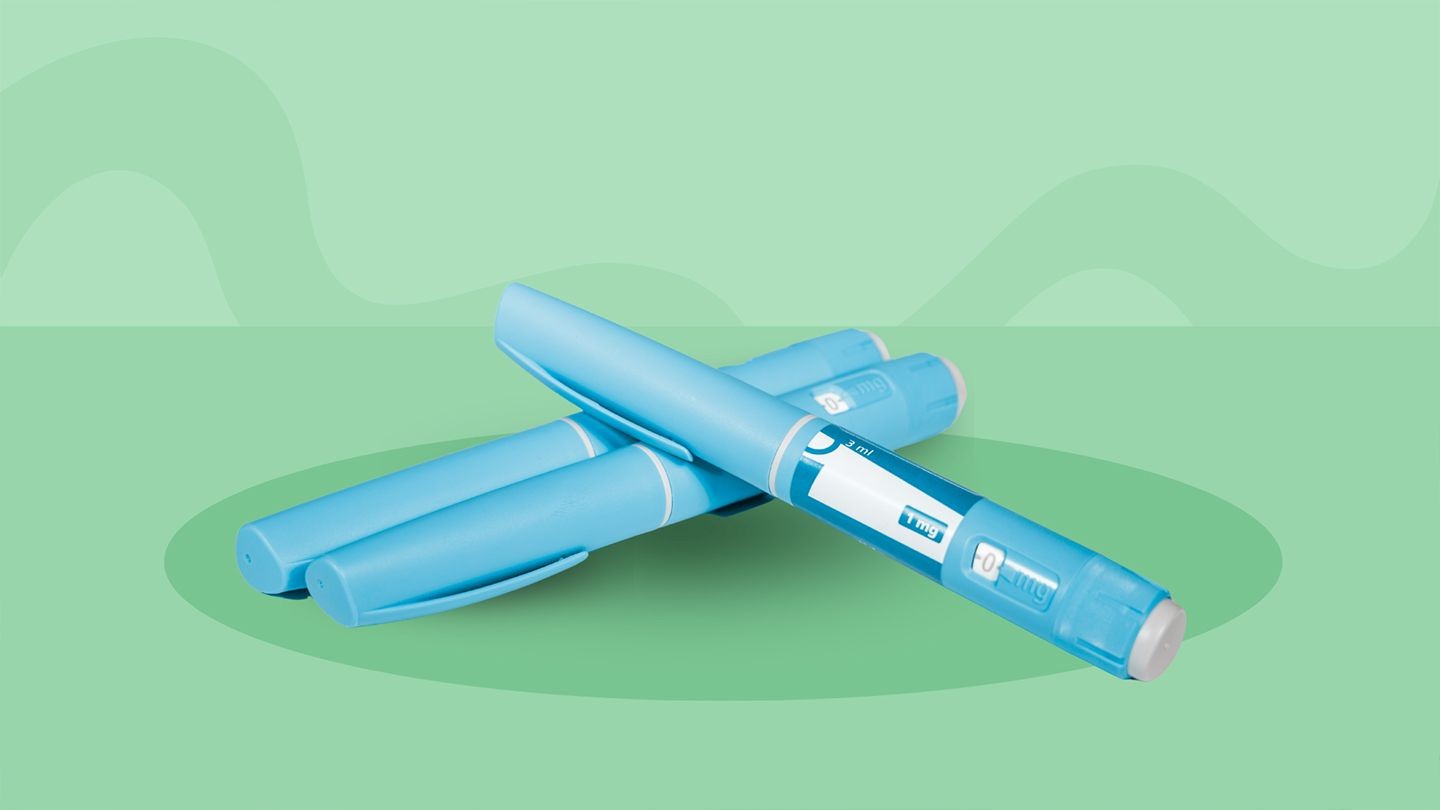
Over the last five years, the landscape has shifted dramatically. Doctors are increasingly prescribing glucagon-like peptide-1 (GLP-1) agonists as a first-line defense. We are talking about drugs like Wegovy, Ozempic, and Mounjaro.
The appeal is obvious. These meds don’t just nudge blood sugar down. They trigger weight loss. They lower systemic inflammation. For many patients, this metabolic boost makes the entire condition manageable in ways metformin simply couldn’t.
But here is the uncomfortable question nobody wants to ask over coffee: do these drugs actually fix the underlying problem? Can a GLP-1 reverse insulin resistance for good?
The short answer is no. The long answer is complicated.
How GLP-1s Actually Work on Your Metabolism
To understand why the benefits vanish after you stop taking the pill, you have to look at the mechanism.
GLP-1 medications are clever mimics. They copy a hormone your body already makes to signal the pancreas. When your blood sugar rises after a meal, these drugs whisper to the pancreas to release more insulin.
That insulin does the heavy lifting. It sweeps glucose out of the bloodstream and shoves it into your cells. Energy source: activated.
Simultaneously, the drugs tell the liver to shut up. Specifically, they inhibit the release of glucagon. This hormone usually orders the liver to dump stored glucose into the blood. By blocking it, blood sugar levels stay lower.
This dual action creates a calmer metabolic environment. But does it change the body’s fundamental resistance to insulin?
Research is mixed. A study on liraglutide found improved insulin sensitivity within two weeks. This happened before significant weight loss. Suggesting a direct chemical effect. Other researchers found these direct benefits to be minimal at best.
The consensus in clinical trials is clearer. Patients see lower blood glucose and higher insulin secretion while on the drug. This holds true especially during the first two years. But that’s correlation, not cure.
Can a GLP-1 Permanently Improve Insulin Resistance?
There is no evidence that insulin resistance stays suppressed permanently. Not even close.
When you are on the medication, yes. Your metabolic markers improve. But stop taking the drug, and the biological clock resets. The resistance returns.
This happens through three specific channels.
1. The Weight Loss Factor
Excess fat, particularly visceral fat wrapping around your organs, is the engine driving insulin resistance. It releases inflammatory chemicals that block insulin receptors.
GLP-1s suppress appetite. They make eating less enjoyable or physically difficult for many. You lose weight. The fat goes away. The insulin resistance improves because the driver is gone.
It’s not the drug magic. It’s the missing fat.
2. Lower Blood Glucose Toxicity
Chronic high blood sugar is toxic. It makes cells deaf to insulin signals. This is a key feature of advanced insulin resistance.
GLP-1s lower blood sugar. By doing so, they reduce chronic metabolic strain. Cells regain their responsiveness. But this is a maintenance effect. Remove the drug, sugar rises, and the deafness returns.
3. Reduced Inflammation
These drugs lower markers of low-grade inflammation. Think C-reactive protein. They also seem to improve oxidative stress.
Together, these changes reduce the metabolic noise that interferes with healthy insulin function. Again, this is while the drug is present. It is not a permanent structural change to the immune system or metabolism.
What Happens When You Stop the Medication?
The return of symptoms is often swift.
Michael Weintraub, an endocrinology and obesity specialist at NYU Langone, puts it bluntly: “In clinical trials, those who stopped [the GLP-1] medicine regained the weight. Not everyone regained all the weight, but vast majority of individuals did.”
And with the weight comes the return of insulin resistance.
This doesn’t mean the drug is a scam. It means the drug is a tool, not a transplant. It manages a chronic condition rather than curing it. Like lifting weights or brushing teeth. Stop the behavior, the outcome degrades.
How to Keep Gains After You Stop
You don’t have to accept total reversal. Silvana Obici, chief of endocrinology at Stony Brook University, notes that lifestyle interventions can partially preserve those sensitivity improvements.
If you plan to step off GLP-1s, you need a plan. Whole foods. High fiber. Regular exercise, specifically strength training to build muscle mass (which consumes glucose). Prioritizing sleep. Managing stress.
These habits don’t replicate the drug. But they mimic its effects on a metabolic level. They keep the insulin receptors sensitive even when the chemical crutch is gone.
So, is insulin resistance reset?
No. But it can be kept in check. The drug opens a window. You decide whether you walk through it and change your life, or wait for the window to close and the cold wind to blow back in.
The choice, technically, remains yours.


