Ava Durgin | Assistant Health Editor
Look at a walnut.
See those wrinkles? Those convoluted ridges? For centuries, people thought they looked exactly like the organ tucked behind our foreheads. Symbolism, mostly. Nature’s way of leaving breadcrumbs. But here is the twist: the breadcrumbs lead to a library. And the science is finally opening the doors.
It is no longer just about shape. Emerging research suggests walnuts might actually help you think sharper, faster, and steadier throughout the day.
The Proof Is In the Scan
We need data. Not just anecdotes.
A recent study took a group of healthy young adults. Ages 18 to 30. Healthy baselines. The split was simple. Group A got a breakfast rich in walnuts. Roughly 50 grams. A solid handful. Group B ate the same meal but with the nuts swapped out for a calorie-matched alternative. No walnuts. Just empty calories, essentially, for the sake of comparison.
Then they watched them for six hours.
Brain activity. Blood work. Cognitive performance. The results were distinct.
Those who ate the nuts reacted faster. Their executive function was sharper. They processed information quicker. Why? Look at the EEG scans. Neural patterns shifted toward focus. Toward memory consolidation.
Energy supply matters too.
The walnut group maintained steadier blood glucose. Better availability of fatty acids. Your brain is hungry. It wants steady fuel. Walnuts provided exactly that, supporting sustained attention when the usual crash might have set in.
Did anything go wrong?
Short-term memory scores dipped. Slightly. Early in the testing window. It seems walnuts influence the timing of your performance, not just the raw power. But the dip was temporary. Later in the day? Memory improved. The brain adjusted. It optimized.
Short-term dips might just be the brain calibrating itself before a longer run.
Not Just For The Young
We obsess over aging. The decline. The fog.
Cognitive health is the cornerstone of quality of life later in life. Diet plays a role. A massive role. Walnuts are dense with nutrients that fight inflammation. Omega-3s. Specifically ALA. Antioxidants. Polyphenols. These aren’t just buzzwords. They protect blood vessels. They improve vascular health. They even support the microbiome, which whispers directly to the brain via the gut axis.
Is this new for older adults? No.
Past studies have long linked regular nut consumption to better memory. Faster processing speeds. A lower risk of cognitive decline. The mechanism holds up across ages. Adding walnuts to your daily routine isn’t a quick fix for today’s deadline. It is insurance for tomorrow’s clarity.
Think about it.
Small dietary shifts. Cumulative impact. You aren’t eating walnuts to live longer. You are eating them to think clearly longer.
How Much?
Don’t overthink it.
The magic dose is small. One to two ounces a day. That’s a small handful. You do not need to stuff your face with them.
Here is how you actually eat them, because we all know you’ll forget a bowl on the counter:
- Stir them into oatmeal.
- Dump them in yogurt or a smoothie.
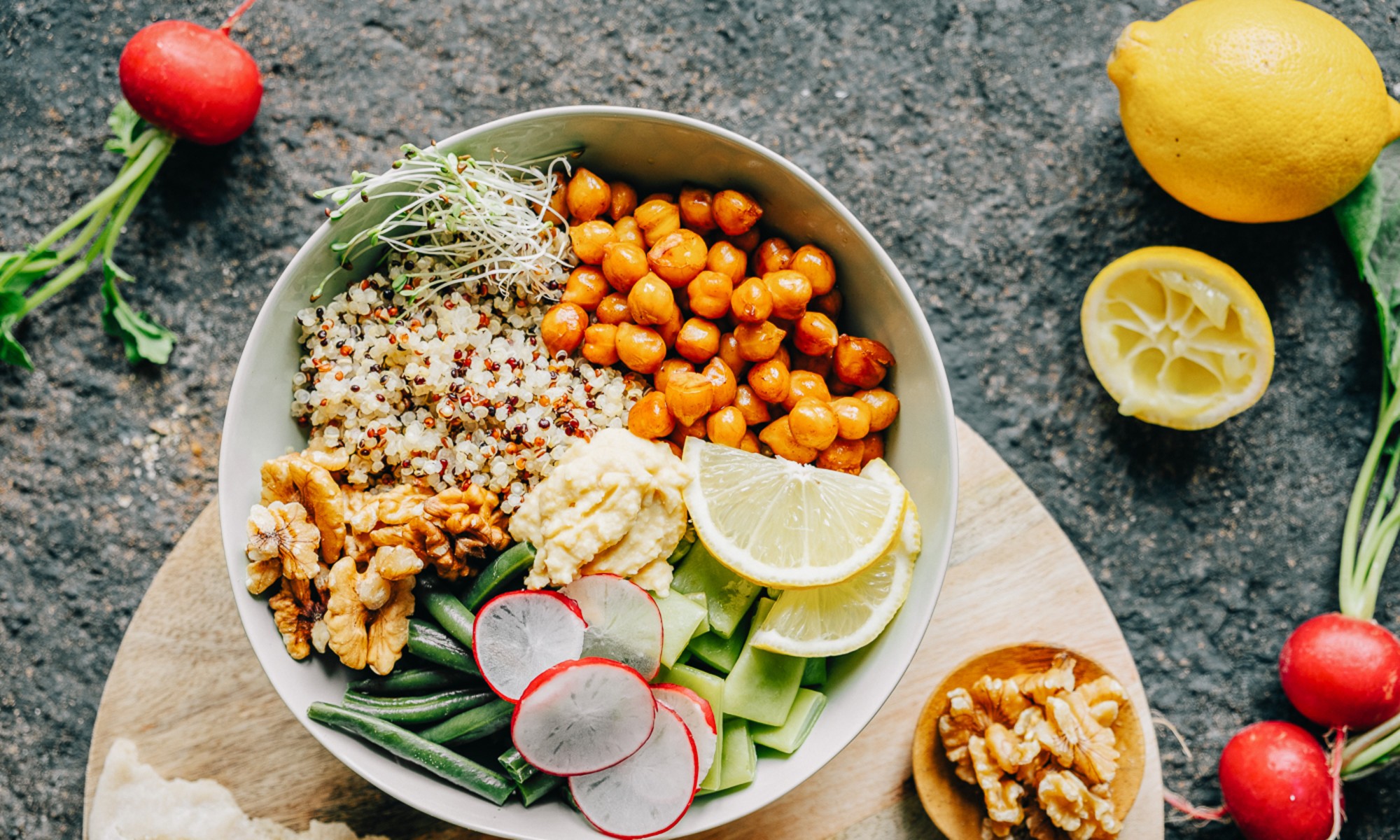
- Sprinkle them on salads for crunch.
- Pair with fruit. Apples work well. The sweetness masks the bitterness.
It’s surprisingly doable.
The Final Word
Will a handful of walnuts replace sleep? No. Will it fix a sedentary lifestyle? Hardly.
But it helps. It fits into the toolkit. It offers a boost to reaction times today. It builds resilience against the slow creep of age-related decline tomorrow.
It is an easy addition. Delicious, even.
Maybe the shape was never just coincidence. Maybe we were supposed to notice. 🧠