It’s not just about flavor
June 6, 2024. A new look at the pantry.
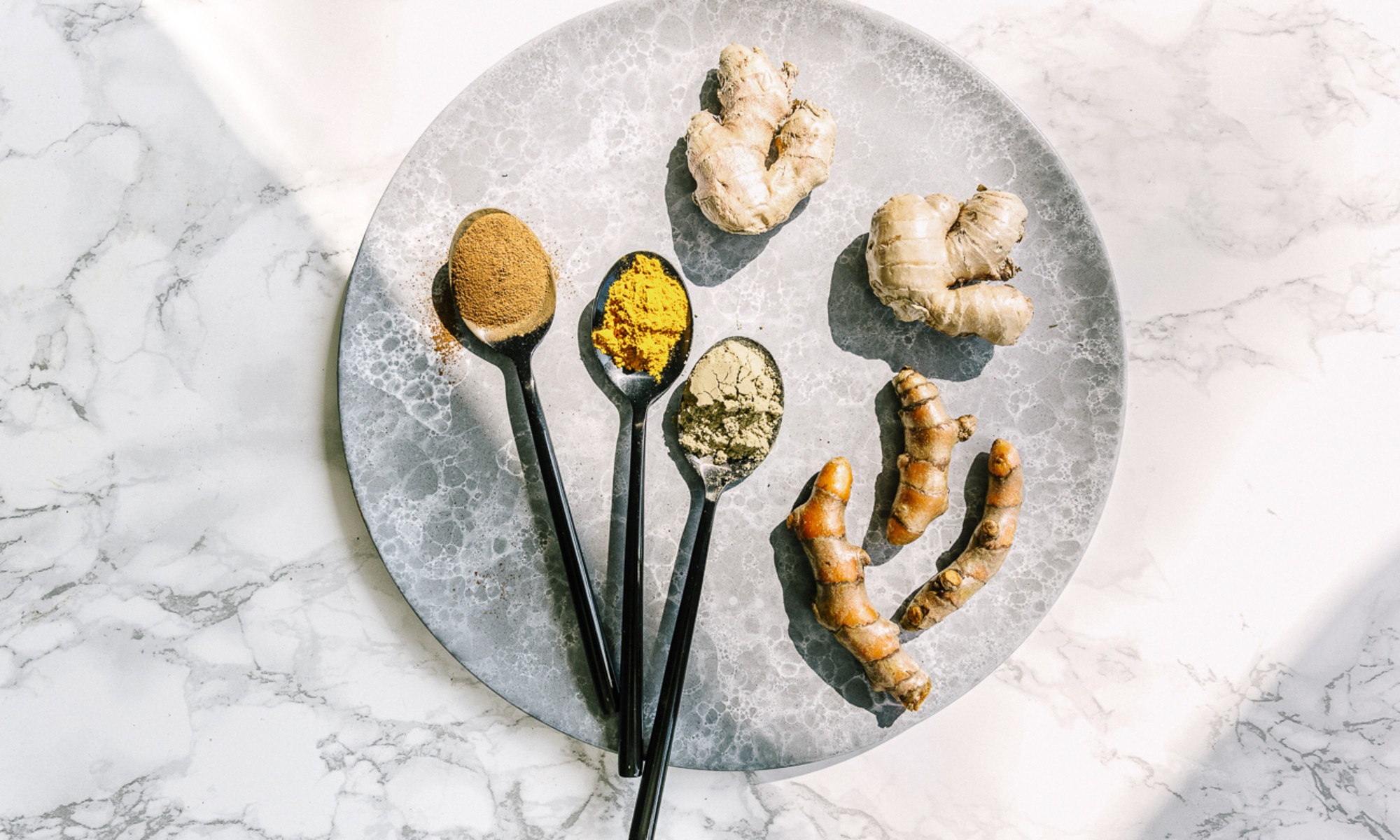
Ava Durgin writes. She’s former Assistant Health Editor. Got a B.A. from Duke in Global Health and Psychology. The image? Sophia Hsin from Stocksy. Standard stuff. But the content is sharper than usual.
Think about cinnamon. In your oatmeal. Or garlic powder. On those roasted veggies. Ginger. In a stir fry. We eat it daily. Nobody talks about it alongside metabolism or longevity. We ignore the mechanics.
Researchers say we’re wrong.
They published reviews in Nutrition Reviews. Decades of data. Culinary herbs aren’t just garnish. They touch appetite. Blood sugar. Gut health. Inflammation. Blood pressure. Fat storage. It’s a wide net.
The biology of bitterness
Let’s look at the pathways.
One review targets TAS2Rs. Receptors. Usually for bitter taste. On your tongue, sure. But also throughout your gut. Deep inside. Plant compounds trigger them. What happens then?
Hormones release. GLP-1. Cholecystokinin.
They make you feel full. GLP-1 helps glucose control too. Metabolic health improves. Simple cause, complex effect.
Spices interact with bitter taste receptors found throughout the digestive tract, not just the mouth.
Then there’s the gut. Microbiome focus. Cinnamon. Ginger. They feed the good bacteria. These microbes produce short-chain fatty acids. The result? Less inflammation. Better heart health. Stable blood sugar. The connection is direct.
Penn State ran trials. Controlled feeding. People ate diets high in spices. The numbers moved. 24-hour blood pressure dropped. Inflammatory markers went down. Cardiovascular risk followed.
Heat has value too.
Capsaicin. That’s the kick in red peppers. Multiple trials show the same thing. Fat oxidation goes up. The body burns fat for fuel. Especially when you’re cutting calories. It works.
Why this matters
Here’s the twist. Spices don’t just do one thing. They hit multiple systems. At once.
Some tweak bacteria. Others nudge hormones. Some calm inflammation. Others shift how you store fuel.
Is it magic? No. It’s complexity. Small tools. Cumulative effects. Over time. It supports the metabolism. Not perfectly. But consistently.
Get cooking
How to start? Don’t overthink it.
- Cinnamon into coffee or oatmeal. Try the cold foam trend. Adds vanilla too.
- Fresh ginger in soups or dressings. Ground works fine.
- Rotate garlic, turmeric, rosemary. Thyme. Cumin.
- Red pepper flakes on eggs. Pasta. Grains.
- Skip the salt. Use spice blends instead.
- Change it up weekly. Phytochemical diversity helps.
The big picture
We obsess over macros. Protein. Carbs. Fat. Calories. It’s easy to do. Labels are clear. But food is messy. It’s full of biologically active compounds we can’t count on a spreadsheet.
Spices are simple examples. Cheap. Everywhere. Easy. The effect isn’t massive in one day. Maybe a whisper. But it touches vital systems.
Metabolic health. Cardiovascular stability. It adds up.