June 20, 26
Molly Knudsen is the voice here. RD. Master’s from Tufts. She lives in Newport Beach. She connects food to health. The rest of us? We just eat it.
Craving summer in Spain? You can fake it at home. That’s the promise anyway.
Every single year this diet wins the popularity contest. Why? A new review in the British Journal of Pharmacology thinks it has the answer. It’s not magic. It’s biology.
Heart health. Metabolism. Even how you age. Scientists are peeling back the layers. Used to be just about your arteries. Now it’s about your cells. It’s compelling stuff.
What you actually eat
Forget strict rules. This isn’t keto. It isn’t Paleo. It’s a framework.
The foundation?
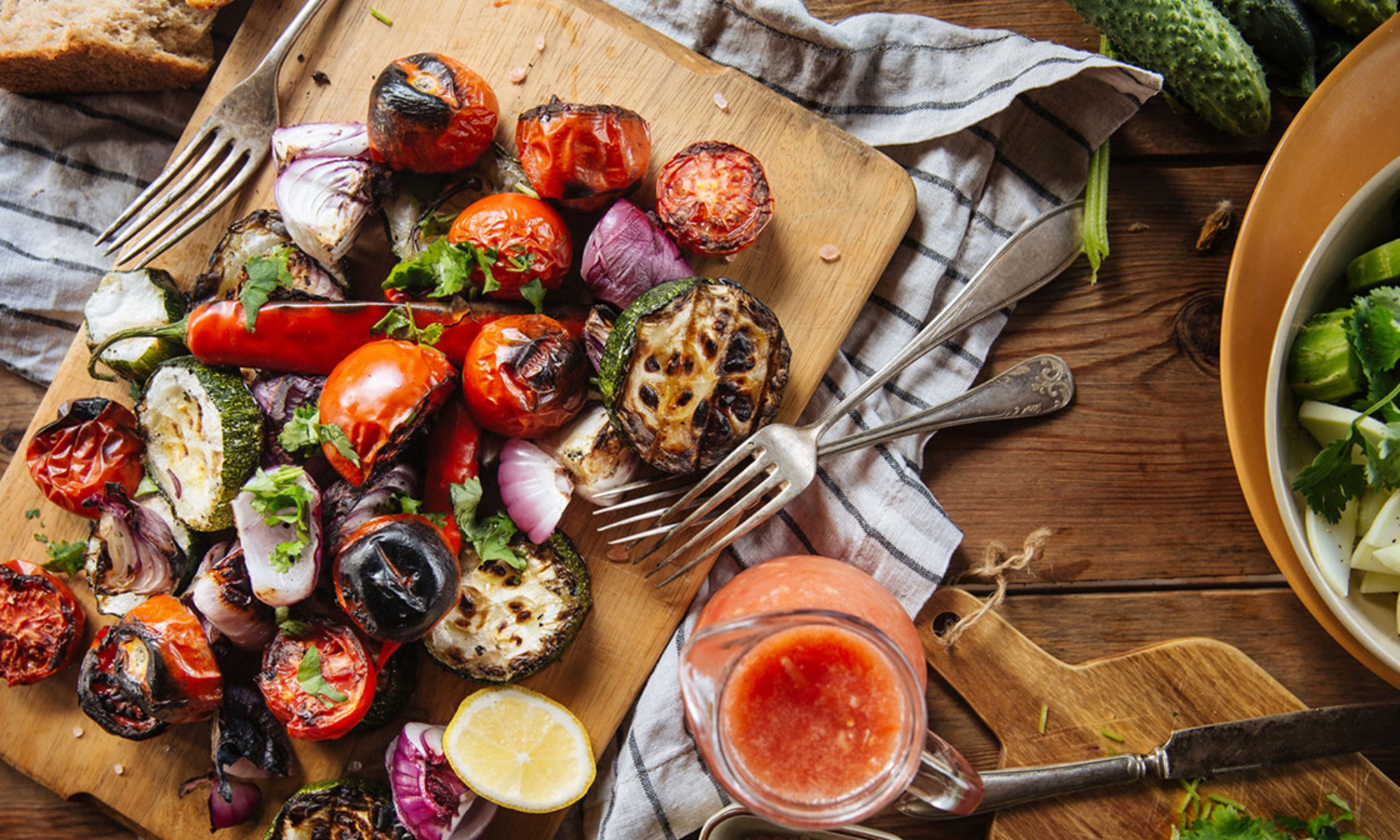
– Veggies. Fruits.
– Legumes.
– Whole grains.
– Nuts and seeds.
– Fish and seafood.
Olive oil is king. The main fat source. Always. Red meat? Keep it rare. Ultra-processed garbage? Leave it on the shelf.
Researchers have over 30 ways to score this diet. The criteria shift. The ingredients don’t. Whole foods. Minimally processed. Simple, really.
The focus is less on restriction and more on abundance of nutrient-dense items.
How it fixes you
Synergy. That’s the word. Nutrients work together here. Isolate them in a pill and you miss the point. The diet beats supplements every time.
Here’s the breakdown.
Olive oil and nuts lower LDL cholesterol. Fish brings omega-3s for your triglycerides. Good for the ticker.
Sugar spikes? Fiber slows things down. Healthy fats help insulin work better. Your blood sugar stays steadier.
Inflammation is the silent killer. Polyphenols and omegas shut down those inflammatory signals. Low-grade chronic inflammation causes half your diseases. Stop it early.
Then there’s oxidative stress. This diet wakes up cellular defense systems. NRF2. SIRT1. AMPK. Big science names. They protect your cells from rusting.
Cutting things out feels good. It doesn’t last. Eating more good stuff does. Olive oil plus fish plus legumes creates a effect greater than the sum of its parts.
The aging game
This is where it gets new. The review looks at how the diet might slow down aging itself. Four areas stand out.
The gut. Polyphenols are prebiotics. They feed good bacteria. Omega-3s calm intestinal inflammation. Fiber creates short-chain fatty acids. Those keep your gut barrier strong and immune system alert.
Mitochondria. The power plants of your cell. Extra-virgin olive oil seems to make them work better. Lab studies say so anyway. Good mitochondria mean better energy and maybe more time.
Telomeres. The protective caps on your DNA. They shorten as you get older. Polyphenols stop oxidative damage there. Omega-3s might stabilize them. Keep them long, maybe you age slower.
Genes. Oleic acid in olive oil might tweak DNA methylation. Polyphenols influence microRNA. It sounds complicated. Basically. The diet helps turn the right genes on and the wrong ones off.
Most of this data comes from petri dishes and mice. Humans are messy. We don’t work like mice. But population studies agree. People eating this way live longer. Fewer chronic diseases. It tracks.
The hard numbers
Experts keep circling back because the evidence holds up. Decades of it.
A recent meta-analysis cited in the report dropped some heavy stats. Adhere to the diet and you see:
- 28% lower risk of dying from any cause.
- 52% lower risk for coronary heart disease.
- 35% lower stroke risk.
That’s significant. It’s not a rounding error.
It’s the consistency. The daily grind of putting these foods on the table. Researchers keep finding new mechanisms. Gut bugs. Gene switches. The science gets deeper but the advice stays flat.
Eat plants. Use olive oil. Eat beans. Eat nuts. Eat fish.
Easy to say. Harder to do every day for thirty years. The plate fills up with green. The fridge stays stocked. No wrap-up. No magic bullet. Just the next meal. And the one after that.