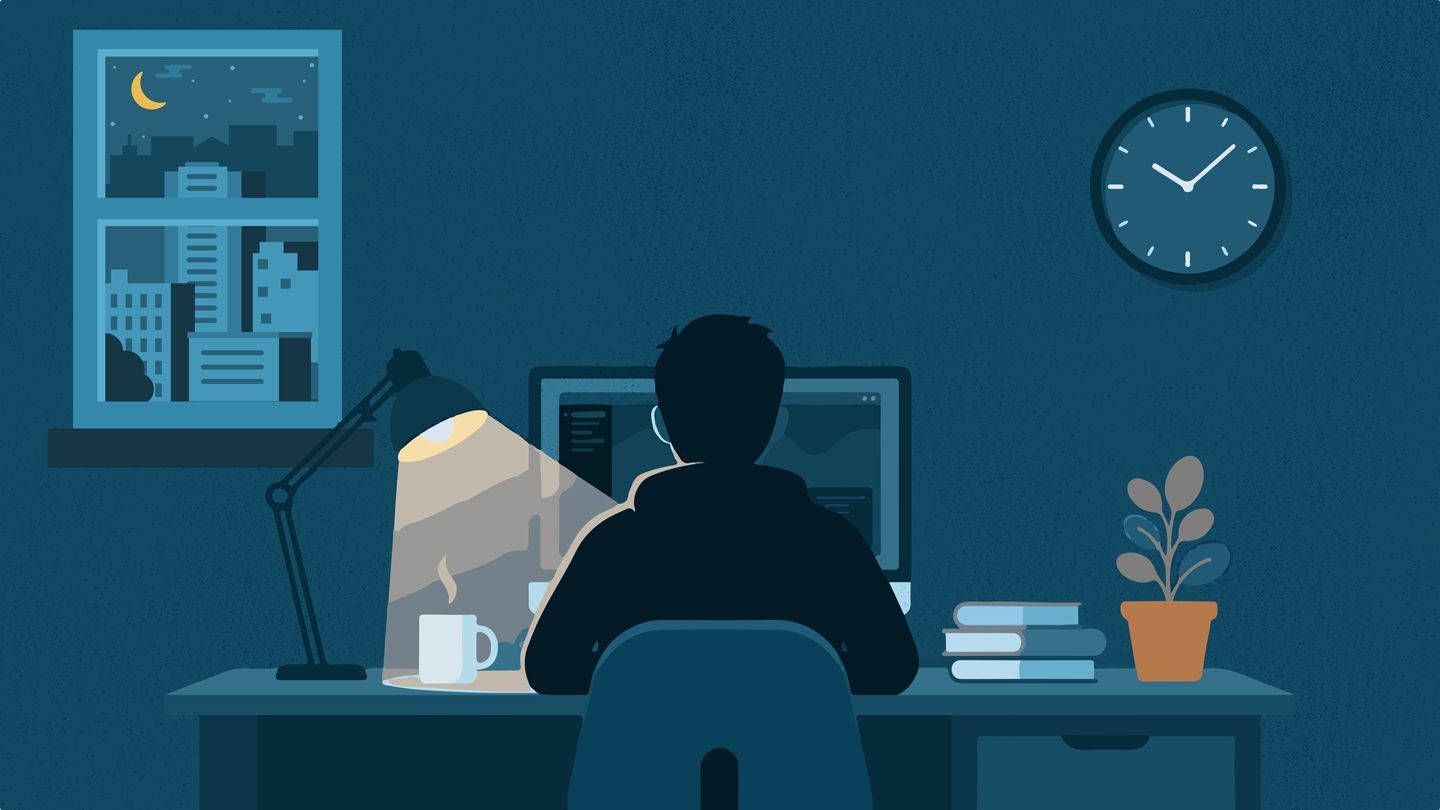
Staying up late isn’t just a lifestyle choice; it may be actively harming your heart, especially for women. A new study of over 300,000 adults in the United Kingdom reveals that individuals who identify as “evening people” – those who naturally prefer late bedtimes – face a significantly higher risk of poor cardiac health, heart attack, and stroke over a 14-year period compared to those with more regular sleep schedules.
The Link Between Sleep and Heart Health
This isn’t the first research to suggest a connection between irregular sleep and cardiovascular issues. While sleep is often considered merely “rest,” cardiologists emphasize its vital role in regulating blood pressure. Poor sleep disrupts this process, contributing to a cascade of negative health outcomes. The study reinforces this: evening people were 79% more likely to have poor heart health scores and had a 16% higher risk of cardiovascular events.
Gender Disparities and Biological Factors
The link between late bedtimes and poor heart health appears stronger in women than in men. Experts suggest this may stem from a combination of factors, including underdiagnosed sleep disorders, biological differences, chronic stress, and variations in the types of heart disease women experience. The study doesn’t fully explain why this disparity exists, but it highlights the need for further investigation into how sleep affects different populations.
Circadian Rhythms and Misalignment
The core issue appears to be circadian misalignment : when the body’s internal clock is out of sync with external schedules. This disruption, caused by late bedtimes, can throw off essential biological processes, impacting blood pressure, hormone regulation, and overall metabolic function. The study doesn’t prove that being a night owl causes heart problems, but it demonstrates a strong statistical association.
Beyond Sleep: Lifestyle and Other Factors
Researchers acknowledge that other lifestyle habits likely contribute to the observed link. Night owls often exhibit higher rates of nicotine use and inadequate sleep, compounding the risks. The study population, drawn from the UK Biobank, is generally healthier than the broader population, meaning the results may not fully generalize. Self-reported sleep habits also introduce potential errors.
Practical Steps for Better Sleep
The study suggests that improving sleep patterns can mitigate some of the risks associated with being a night owl. The goal isn’t necessarily to force an early-bird schedule but to establish a consistent, sustainable routine. Experts recommend:
- Aiming for seven to nine hours of quality sleep nightly.
- Maintaining a consistent bedtime and wake time, even on weekends.
- Maximizing natural light exposure during the day and minimizing artificial light at night.
- Avoiding caffeine and heavy meals close to bedtime.
- Creating a dark, cool, and quiet sleep environment.
- Seeking medical evaluation for chronic fatigue, loud snoring, or uncontrolled high blood pressure (potential signs of sleep apnea).
“Improvements often come from small, consistent changes rather than perfect sleep,” says Dr. Matthew Sousa, an interventional cardiologist.
Ultimately, prioritizing consistent sleep hygiene is a proactive step toward protecting cardiovascular health, regardless of whether you’re a night owl or an early bird.
Source: Journal of the American Heart Association, January 28, 2026.