First time since this outbreak started. Multiple clinical trials are rolling or about to in the Democratic Republic of Congo. They are testing new therapies. The goal is simple, survival.
The current strain is the Bundibugyo species. Bundibugyo. There are no approved vaccines for it. No therapies that stop the spread, either. This virus has been a nightmare to contain. The CDC counts more than 500 confirmed dead and 1,561 cases. Numbers keep climbing.
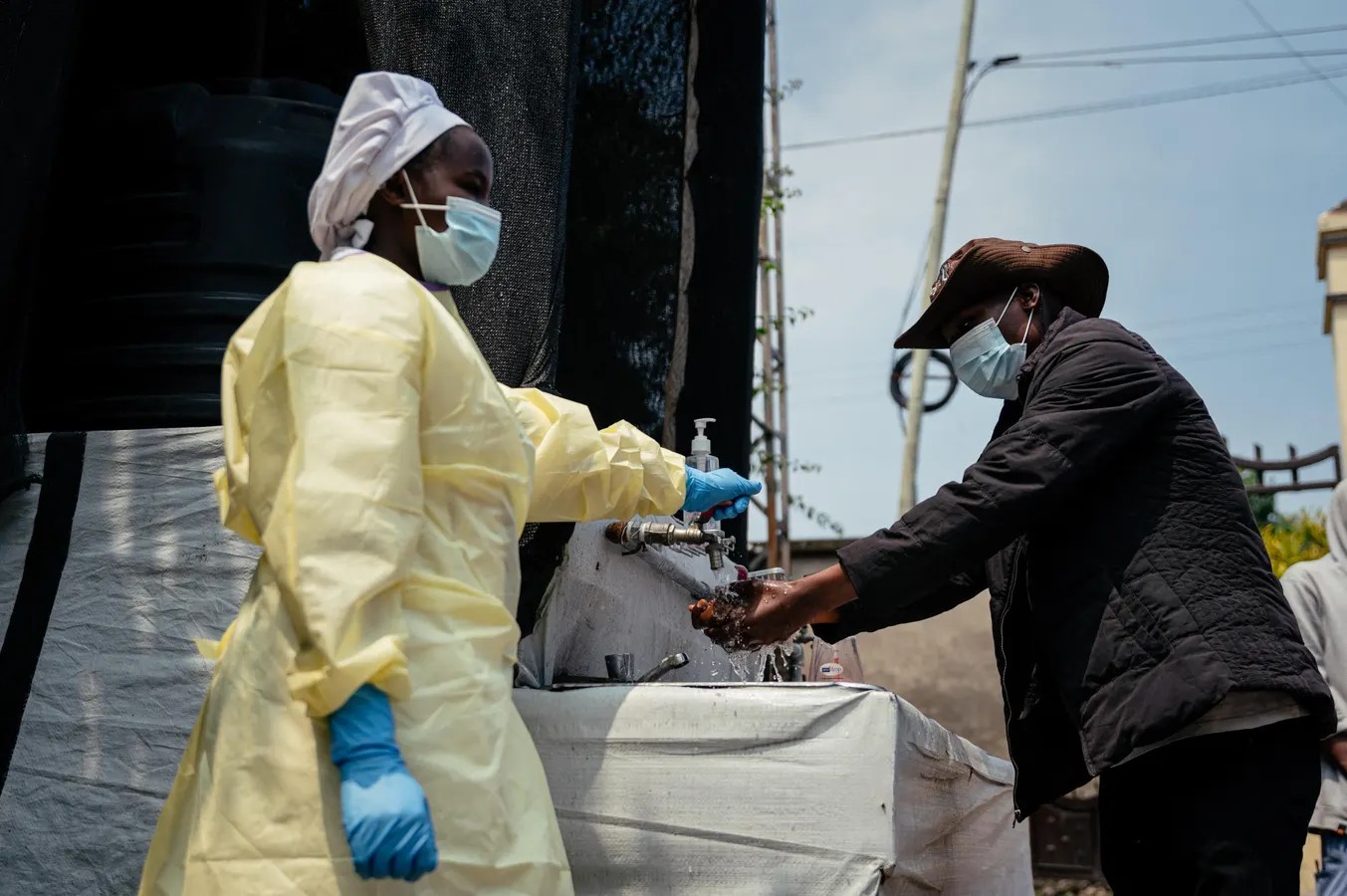
Armed conflict gets in the way. Displacement. Attacks on health centers. Contact tracing is nearly impossible in places where trust is low. The usual playbook doesn’t work.
So we try the lab coat approach.
The Drugs
Two main candidates: MBP-134 and remdesivir. Trials will test them alone. And together, as a combination punch. Then there is obeldesivir, an oral antiviral pill. This one is for prevention, stopping people who’ve been exposed from getting sick. It’s a collaboration. The WHO, Africa CDC, universities, and nonprofits are all involved.
Science is messy, but in war zones, it might be the only orderly thing left.
MBP-134
It contains two broadly neutralizing monoclonic antibodies. They hunt for the Bundibugyo virus specifically. They bind to the surface glycoprotein. That stops the virus from entering human cells. At the same time, it calls the immune system to clear out the infected ones. Early data looks good. Intravenous therapy might actually help.
Remdesivir
You know the name from other headlines. It hits a wide range of viruses: COVID-19, hepatitis C Marburg Ebola. It goes inside the infected cell. Stops genetic replication. Slows down new virus production. Gives the immune system breathing room. It failed against the Zaire Ebola species though. But failure isn’t final. Hope remains for Bundibugyo. Especially if you pair it with MBP-130.
Obeldesivir
Prevention matters. Post-exposure prophylaxis stops close contacts from getting sick. The trial uses an oral pill. Similar mechanism to remdesivir but easier to take. Twice a day for those exposed. Simple logistics could save lives.
The Hurdles
The plan enrolls at least 1,00 people. Final numbers depend on how fast the virus runs. It takes months. Regulatory reviews. Recruitment. Statistical proof. Data analysis.
Recruitment is the hard part. People don’t volunteer easily when there is fighting around them. Political turmoil adds friction. Trust is fragile. Can you convince someone to join a study when their home might be bombed tomorrow? Maybe.
Not a Clean Finish
If these trials work, they will be the first evidence-based treatments for Bundibugyo. Years of scientific investment pay off. Global collaboration speeds up the answer. Citizens of the DRC might get some breathing room.
It could change how we prepare for the next time. It won’t fix the conflict. Or the displacement. But it gives doctors something else to try. We will wait.