Ebola comes and goes in West and Central Africa. We know this. But this outbreak? Experts think it’s different.
It’s big. And it’s likely to get bigger.
The Numbers Don’t Lie
Past Bundibugyo virus outbreaks had fatality rates between 30 and 50 percent. Scary stuff. There is no specific vaccine. No approved treatment either.
“The outbreak is quite a bit larger than original reports,” Emily R. Smith PhD told reporters.
She’s interim chair at GWU’s Milken Institute. The case count is climbing fast. More sickness is coming, she says.
The virus was already out there. Spreading. Undetected.
Dr. Sellick noted the virus circulated for weeks after the first death. The standard diagnostic tests? They don’t work as well on this strain. So people tested negative when they were actually positive. No isolation. Just community mixing. The disease found its way into the population.
Nurses Are on the Front Lines
Healthcare workers are dying too. Tedros pointed this out.
It reinforces a hard truth: protecting staff is essential. Anne W. Rimoin from UCLA knows this.
“Ebola doesn’t fly through the air. But hospitals? If cases are missed, or gear isn’t worn right, protocols fail, it becomes a death trap.”
She’s the chair of infectious diseases at UCLA Fielding. It’s a high-risk environment when recognition is slow.
How You Actually Catch It
Dr. Varga focuses on two things: fatality rates and transmission.
Direct contact. That’s how it moves. Blood, vomit, feces. Touching these fluids or objects soaked in them does it.
Early signs are a trick. Fever, headache. Vague. Easy to ignore or mistake for flu.
Once it hits the hemorrhagic phase? It’s devastating.
Treatment is supportive. Fluids. Electrolytes. Oxygen. Keeping blood pressure stable. For the Zaire strain, there are monoclonal antibodies. They help.
For Bundibugyo? Not so much. We lack clinical evidence and approved strain-specific drugs.
Could It Hit the U.S.?
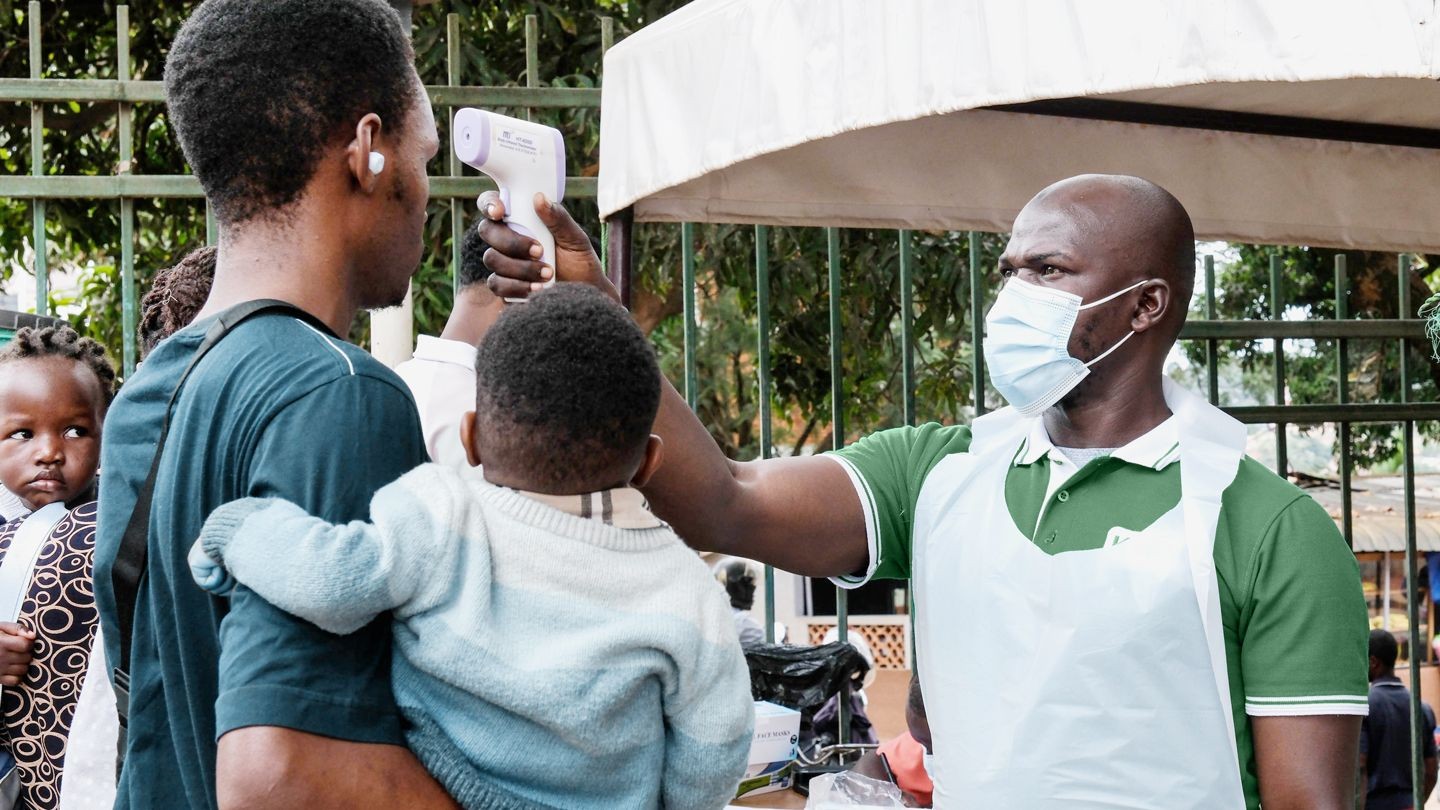
The CDC and DHS are screening travelers. Restricting entry. Trying to keep it out.
Dr. Sellick thinks this strategy has holes.
“They want to stop all travel from affected regions. But people don’t fly direct.”
There are layovers. Stops in countries that don’t flag red on the radar. The virus hitchhikes through non-target zones.
Rimoin calls it complex. Rare species. Delayed confirmation. Cross-border spread. Weak diagnostics. No vaccine for this specific variant.
“Zaire outbreaks have a playbook. This doesn’t.”
The response is harder. The countermeasures are blurry.
Don’t Panic, But Pay Attention
The risk to average Americans is tiny. Dr. Lindsay Busch of Emory says the threat to the public is extremely low.
The U.S. has high-level isolation units. Specialized. Trained. Containing.
“There are many layers of protection for the American people,” she says.
Dr. Smith agrees.
“It’s not COVID. You don’t catch this by breathing the same air.”
Individual worry should be low. But Varga urges awareness. Global connectivity means a threat here can be a threat everywhere.
The real issue isn’t a mass outbreak stateside. It’s one infected traveler showing up, needing immediate, expert care.
Smith has a darker note though.
The U.S. is safer than we were? No. Less.
We left the WHO. We’re not getting the updates first. We aren’t at the table anymore. Information and preparedness are distant memories.
We need to act. Or at least admit we’re out of the loop.