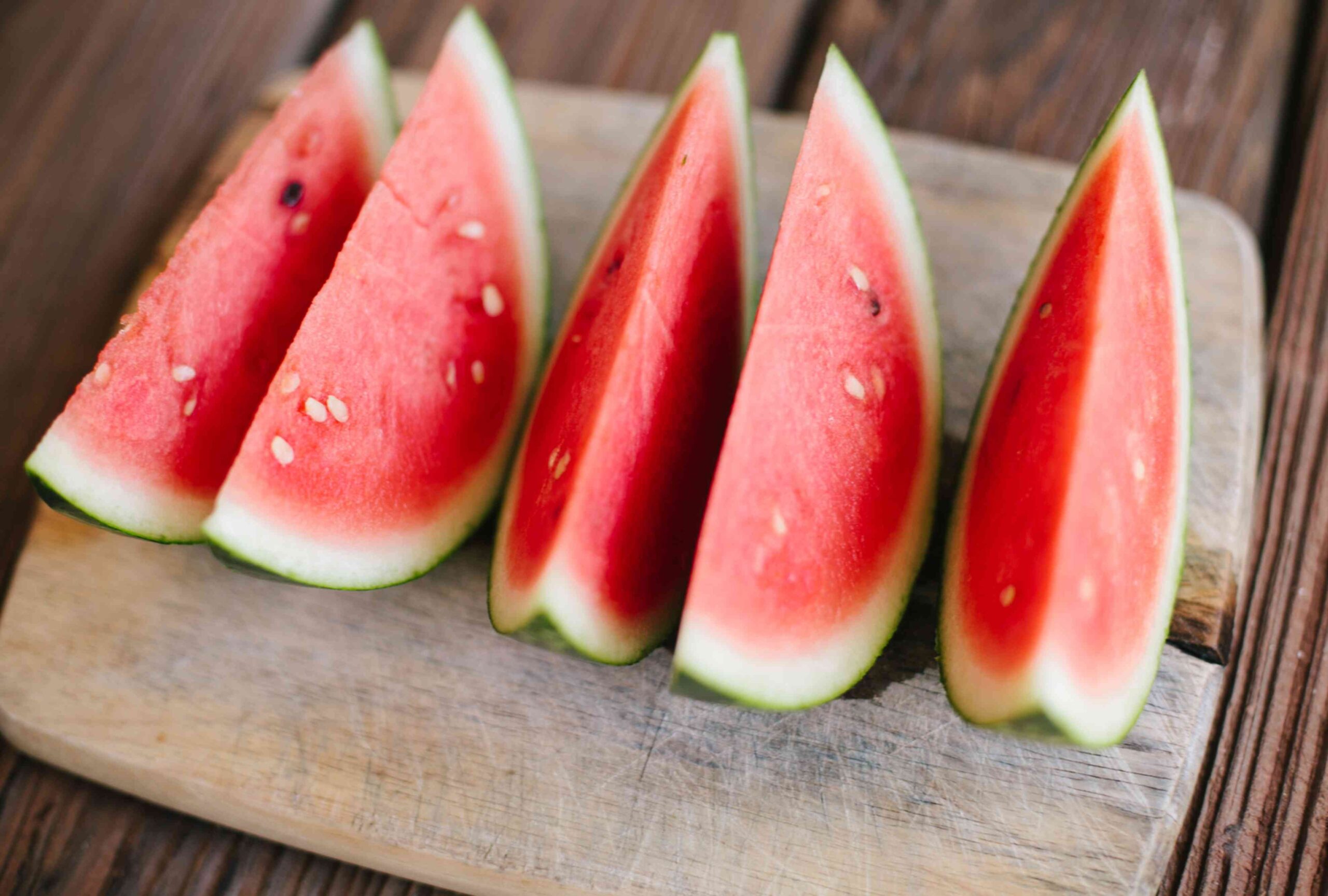
We think of watermelon as summer’s lazy snack. Sweet. Wet. Simple.
But look closer. It’s a biological engine for hydration and cellular repair.
The real star isn’t just the water content—though there’s plenty of that—but lycopene. And an amino acid hidden in the rind you’re probably tossing out.
Let’s talk about why you should probably eat more of this fruit. And maybe stop throwing away the white stuff.
The Hydration Fact
Watermelon is 95% water. Hence the name.
One cup holds about five ounces of it. Roughly what’s in a single-serve yogurt cup.
Drinking your fluids is basic. But eating them changes things.
Fluids lubricate joints. They move waste. They prevent that foggy brain fatigue you get when dehydrated.
They even help regulate body temperature and cushion your spinal cord.
Eat the fruit. Stay hydrated. It’s that simple.
A Shield for Your Cells
Here’s where it gets interesting. Lycopene.
That red pigment? It’s an antioxidant. It fights free radicals—those tiny cell-damaging agents causing oxidative stress.
Science suggests lycopene might lower risks for a heavy list of issues.
We’re talking age-related macular degeneration. Alzheimer’s.
Cancers including breast, lung, and prostate. Heart disease.
Type 2 diabetes. Ulcerative colitis.
Want the max effect? Pick the deep red kind.
Yellow or orange flesh has less antioxidants. Stick to traditional pink-red melons.
The rind matters too. Don’t just eat the sweet red center.
Blood Pressure and The White Rind
Meet L-citrulline. An amino acid living mostly in that white part of the rind most people discard.
It relaxes blood vessels. Better flow means lower blood pressure.
Athletes listen to this. L-citrulline can improve muscle oxygenation during endurance work.
Less cramping. Better performance.
Is it worth the chew? Probably.
Skin and Sun Protection
You want clear skin? Vitamins A and C in watermelon help.
But the lycopene does double duty here. It offers protection against sun damage.
Not a replacement for SPF. But a nice internal layer of defense.
Weight Loss and Muscle Pain
Watermelon tricks your stomach.
It keeps you fuller than a cookie for up to ninety minutes.
Swap the sweet snack for melon chunks. You might see changes in waist-to-hip ratio. Cholesterol could drop. Blood pressure too.
And runners? Listen up.
Juicing watermelon before a run may cut muscle soreness for three days after.
Seventy-two hours of less pain. Not bad for a fruit.
Digestion Without The Bulk
Don’t expect watermelon to be a fiber powerhouse. It’s low.
But the fiber it has plus its prebiotics feed the “good” bacteria in your large intestine.
Prebiotics do heavy lifting.
They regulate immune function. Lower inflammation. Maybe even lift your mood.
They boost mineral absorption. Help with blood sugar and insulin.
Some data even points to protection against colon cancer.
What’s Actually Inside?
Per one cup of diced melon:
– 46 calories
– Almost no fat
– 11.5 grams carbs
– Less than 1 gram protein
– 9.4 grams of natural sugars
It brings potassium. Magnesium. B vitamins.
A light nutrient load with a big impact.
The Risks
For most, watermelon is safe.
But context matters.
Diabetes
Natural sugars exist. They spike blood glucose if eaten alone.
Pair it with healthy fats or protein. This blunts the spike.
Balance the meal. Don’t just gulp juice.
IBS and Gut Sensitivity
Watermelon is high-FODMAP.
Those short-chain carbs ferment in the colon.
They retain water. They cause gas.
If you have Irritable Bowel Syndrome, this fruit might be the villain.
Limit it. Or skip it. Your gut knows best.
Oral Allergy Syndrome
Allergic to ragweed pollen? Watermelon might itch your mouth.
They’re related botanically. Cross-reactivity happens.
Simple as that.
How to Eat It Right
Choose ripe.
Look for a yellow or cream splotch on the bottom. That ground spot means peak sugar development.
Wash the rind before slicing. You’re cutting through it into the flesh. Bacteria travel.
And be versatile. It’s not just a fruit salad ingredient.
Try savory recipes. Salt pairs surprisingly well with that sweetness.
Watermelon isn’t just water and sugar.
It’s chemistry on a plate.
Eat it. Maybe even eat the rind next time. Or at least save the juice. 🍉