


Stop treating rest as the only option.
Moving your body with metastatic breast cancer isn’t just safe—it’s often the missing link in managing symptoms.
One of the most persistent myths I hear from oncology rehab specialists is that patients should avoid exertion. “One of the most common misconceptions is that people with metastatic breast cancer need to stay inactive,” says Kayla Wei, OT. She’s the manager of rehab at City of Hope Orange County. Her take? Rest matters. But so does appropriate physical activity. It helps you feel and function better during active treatment.
Why does this matter? Because research is clear. Exercise reduces fatigue. It cuts pain. It lifts mood. And for people living with stage IV breast cancer, these aren’t minor perks. They’re quality-of-life lifelines.
From walking to lifting light weights, the goal isn’t to become an athlete. The goal is to find a routine that works for your current reality.
The Mix That Works
There isn’t one right way to move. But experts agree on four pillars.
Dr. Wei suggests thinking about exercise as a blend of:
* Aerobic activity
* Strength training
* Flexibility work
* Mindful movement
Your perfect mix depends on your diagnosis, symptoms, and fitness level. But almost everyone can benefit from incorporating elements of each.
Aerobic Activity for Heart Health
Cardio isn’t just about sweating. It’s about increasing heart rate and improving circulation.
A review of 45 studies covering over 4,000 participants highlights the benefits. Aerobic exercise boosts metabolism. It enhances immunity. It reduces anxiety and depression. Most importantly, it improves overall quality of life.
Walking is the easiest entry point.
Guidelines suggest 150 to 30 minutes of moderate activity per week. Or 75 minutes if it’s vigorous. Start small.
Jessica Scott, PhD, director of exercise oncology at Memorial Sloan Kettering, advises starting with just 10 to 15 minutes. Do this three or four days a week. Build from there.
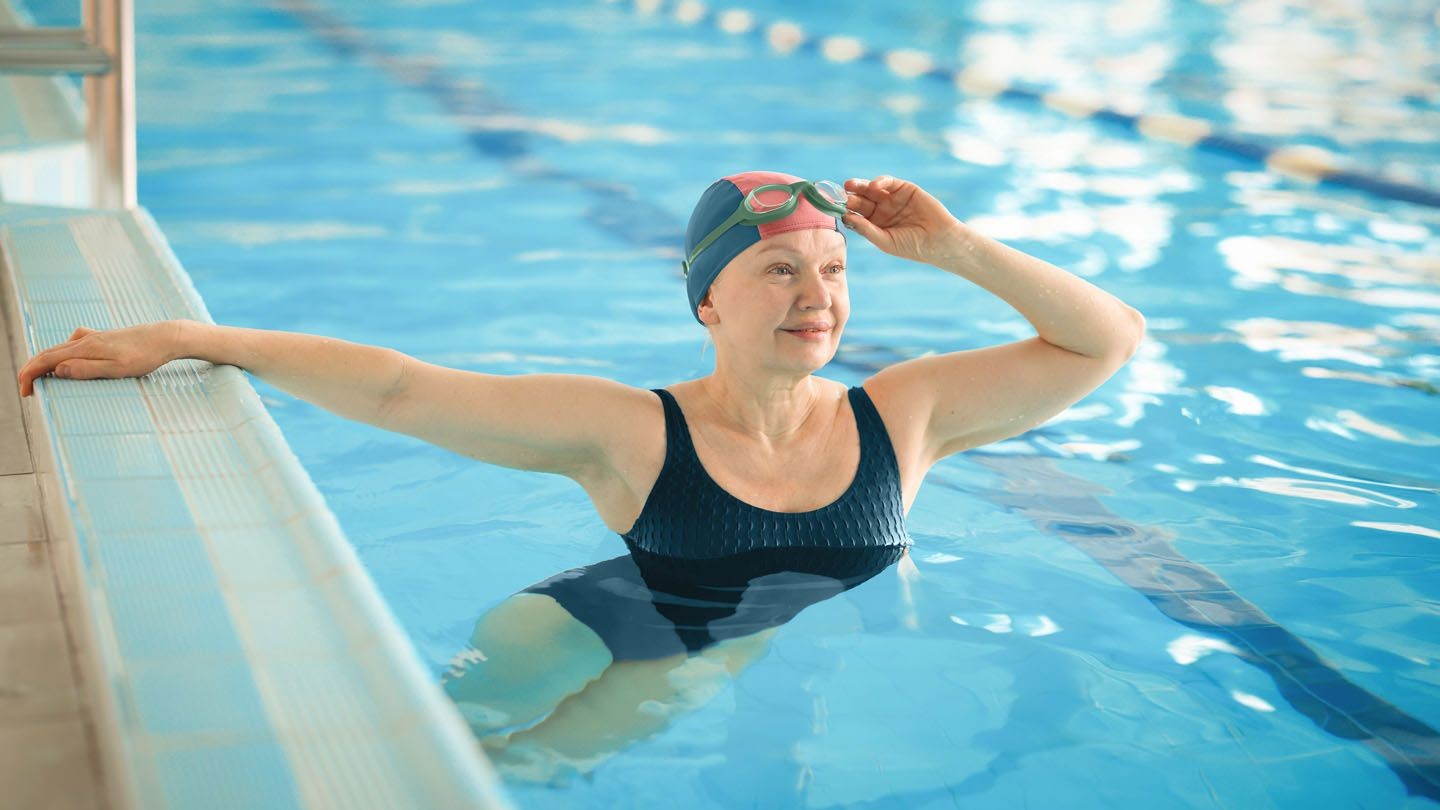
Other options include jogging, swimming, cycling, dancing, or even gardening. Just ask your surgeon. If you’ve had recent surgery, you may need to hold off on swimming until incisions heal. But once cleared, don’t fear movement.
“Remaining active is one of the most important steps for long-term health,” says Nasim Chowdhury, MD. He’s medical director of cancer rehabilitation at Weill Cornell.
Strength Training and Bone Density
Metastatic breast cancer and its treatments often drain muscle mass. Strength training fights back.
Studies show resistance training supports bone health. It helps prevent lymphedema. It combats fatigue. And for those on hormone therapy, it’s critical. Some treatments accelerate bone loss. Resistance training counteracts this.
You don’t need a gym membership. Heavy weights aren’t mandatory.
Wei recommends starting simple:
* Sit-to-stand exercises from a chair
* Wall push-ups
* Body-weight squats
* Resistance band drills
Aim for two or three sessions per week. Adjust based on how your body feels.
Stretching for Range of Motion
Surgery and radiation often leave tissues tight. Shoulders. Arms. Chest.
Stretching helps. It improves posture. It restores flexibility. And it makes daily tasks easier.
Try gentle shoulder rolls. Chest stretches. Wall walks.
Stretch after your muscles are warm. Focus on deep breathing. Do not push through pain.
“If a stretch causes significant discomfort, talk to a specialist,” Wei says. Pain isn’t the goal. Comfort is.
Mindful Movement: Yoga and Tai Chi
Yoga and tai chi do more than stretch muscles. They calm the nervous system.
Research consistently links these practices to better sleep. Improved mood. Relief from nausea and fatigue.
Tai chi, with its flowing movements and deep breathing, reduces anxiety and depression symptoms.
Chowdhury notes that yoga and tai chi are particularly good for balance. Chemotherapy can cause nerve damage leading to falls. These practices strengthen coordination and fall prevention.
Weight Management and Metabolism
Weight gain is common during treatment. Reduced activity. Metabolic changes. Hormonal therapies. It all adds up.
Excess weight is linked to poorer outcomes. Maintaining a healthy weight improves mobility. It enhances rehab responses. It lowers lymphedema risk.
Exercise helps manage weight through several mechanisms:
- Reduced Mortality Risk: A healthy weight via exercise correlates with longer survival.
- Less Inflammation: Fat promotes inflammation linked to cancer progression. Exercise lowers inflammatory biomarkers.
- Insulin Sensitivity: High insulin levels hurt breast cancer outcomes. Physical activity regulates blood sugar.
- Muscle Preservation: Resistance training keeps lean muscle while dropping fat.
- Energy Boost: Cardio fitness reduces cancer-related fatigue.
How to Start Without Burning Out
Cancer treatment interrupts routines. If you haven’t moved in months, expect to restart gradually.
Scott suggests starting with walking. Then add resistance training as you build endurance.
Pay attention to your body. Walking up stairs. Carrying groceries. How do you feel after?
“If you’re exhausted for the rest of the day, scale back,” Wei advises. “Gradual increase is safer and more sustainable than going too hard too soon.”
If unsure, hire a pro. Look for an ACSM-certified cancer exercise specialist or an oncology-trained physiotherapists. They build programs around your specific medical needs.
What to Enjoy
The best exercise is the one you’ll actually do.
Wei says the best program is safe, realistic, and sustainable. Ambitious plans fail. Consistent, manageable routines win.
If you’re just starting out, focus on volume. Not intensity.
Park farther away. Take strolls while chatting. Stand up two or three times an hour.
Chowdhury emphasizes: start somewhere. Small amounts provide meaningful benefits. Consistency beats intensity early on.
Pre-Start Checklist
Before beginning a new regimen:
- Discuss plans with your oncology team
- Check for temporary limits from surgery, radiation, or chemo
- Wear supportive footwear
- Stay hydrated
- Avoid extreme heat
- Pace yourself with rest breaks
- Seek medical advice if symptoms arise
Modifications Are Normal
You may need to adjust your routine based on treatments and health status.
Balance impairments? Stick to walking, treadmill with support, or stationary cycling. Skip outdoor cycling if balance is compromised.
Fatigue? Reduce intensity.
Neuropathy? Choose low-fall-risk activities.
“Some people need to adapt for surgery, lymphedema, or bone issues,” Wei says. The goal isn’t avoidance. It’s finding safe ways to keep moving. A cancer physiatrist or physical therapist can guide these modifications.
Pushing vs. Stopping
Stick to the routine. But watch your body.
Scott notes it’s okay to skip exercise if you have:
* Acute illness or fever
* Severe sleep deprivation affecting safety
* Deep exhaustion distinct from normal fatigue
* Changes in blood counts
* Severe nausea or vomiting
Lightheadedness? Stop. Rest. Hydrate. Don’t resume until symptoms vanish.
If an exercise consistently causes pain, modify it. Or avoid it temporarily.
“Rest isn’t a setback,” Chowdhury says. It’s part of recovery.
On hard days, skip the full workout. Try gentle stretching. A short walk.
Find the balance between movement and recovery.
When to Call the Doctor
Contact your care team if you see persistent symptoms. Worsening swelling. Signs of infection.
Wei says: “If something feels significantly different from your normal experience during activity, discuss it with a professional.”
Stop immediately and seek emergency care for:
* Chest pain
* Chest pressure
* Significant shortness of breath
* Sudden one-sided weakness
* Facial drooping
* Confusion
* Speech difficulty
* Lack of coordination
These could signal a stroke or neurological emergency.
Everyday Health follows strict sourcing guidelines. This content draws on peer-reviewed studies and advice from board-certified experts.
References:
Hiensch A et al. Nature Medicine. 2024.
Li L et al. The Breast. 2024.
Gerland L et al. Breast Care. 2021.
Selvan P et al. Complementary Therapies in Clinical practice. 2022.


