


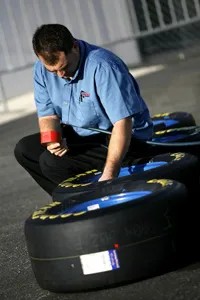
Tire pressure adjustments can make or break a Sunday race.
NASCAR isn’t just about drivers. It’s about a massive ecosystem of engineers and specialists dissecting every variable. From aerodynamic drag down to the rubber touching the asphalt, nothing is ignored. Tires are the most critical component. One bad decision here means a bad day. The other means a checkered flag.
Consider the lead-up to a Sprint Cup Series race. It starts long before the green flag drops. Goodyear selects the specific rubber compounds for each track based on historical data and testing. They don’t guess. They match tires to track characteristics.
Take Infineon Raceway and Watkins Glen. Both are road courses. Goodyear brings the same tire specification to both. It’s logical. The turning forces are similar. The wear patterns are predictable.
The Lease Program and Pressure Rules
Teams don’t buy tires. They lease them.
Goodyear mounts and balances every set using specialized machines. Teams pick them up under a strict lease program. Rules vary by series. The Nationwide Series and Craftsman Truck Series have hard limits on how many sets of tires you can use. Sprint Cup? No limit.
Each team employs a dedicated tire specialist. This person monitors pressure. They inspect for wear. They are the gatekeepers.
Once a team takes possession of the tires, they cannot modify them. No cutting. No heating. No tricks. They can trade tires with other teams, but the physical integrity of the rubber must remain untouched. The only allowed adjustment is air pressure.
Why does pressure matter so much? It changes how the car handles. A half-pound difference can alter grip levels significantly. On race day, that small shift can dictate whether you’re fighting for the lead or stuck in traffic.
Qualifying: The New Tire Myth
Practice runs happen on Friday. Then comes the two-lap qualifying session.
General wisdom suggests drivers set their fastest lap times with brand-new tires. It makes sense. Fresh rubber provides maximum grip. But reality is messier.
Lap times vary wildly during qualifying due to tire wear. Drivers usually only count their first lap. The second lap is often slower. Why? The tire is already working. The heat is building. The grip profile changes.
There are exceptions. Daytona and Talladega. These superspeedways don’t rely heavily on tire grip for speed. They rely on drafting. Aero balance matters more than rubber temperature there.
When Things Go Wrong
Goodyear engineers watch everything. They measure tire temperature. They track wear rates. They offer recommendations during practice.
Sometimes, they see red flags.
During the 2008 Allstate 400 at Indianapolis, Goodyear officials noticed something wrong. The tires weren’t wearing properly. Too much wear meant a potential shortage. So, they improvised. They brought in tires that were scheduled for Pocono the following week. They saved the race by cannibalizing the next event’s inventory.
If Goodyear dislikes what they see in practice, they act. They might mandate a pressure change. They might alert NASCAR to excessive wear caused by improper camber.
Too much camber eats the inside shoulder of the tire. This creates a weak spot. At high speeds, that weak spot causes a blowout. And we all know what happens next.
Once the teams are dialed in. Once Goodyear is satisfied. The engines start. The limit approaches 200 mph. The strategy becomes execution.


