


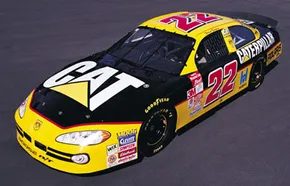
Stock-car racing used to be exactly what the name suggested. Drivers walked into dealerships, bought brand-new vehicles, and then headed straight to the track to race them. When the National Association for Stock Car Auto Racing (NASCAR) organized in 1947, it introduced a standardized rule set and a system to crown a national champion based on consistent performance across the country.
The early races were brutal. Tracks were made of dirt, becoming rutted and bumpy after every pass. The unmodified production cars couldn’t handle the abuse. They broke apart. So NASCAR allowed modifications to increase durability. What started as minor tweaks for safety and competition grew into a strict regulatory framework. Now, every car is checked for compliance with the rule book at every single race.
Today, a NASCAR race car shares almost nothing with the street cars they mimic. Every detail is handmade. The bodies are pressed from flat sheet metal. The engines are built from a bare block. The frame is constructed from steel tubing.
These cars are machines built for one purpose: speed and survival. And it all starts with the skeleton.
The Foundation of Safety
Before you can talk about horsepower or aerodynamics, you need a frame. It is the foundation for everything on the car. It is also the primary defense for the driver.
The frame is not just structural. It is a safety cage. In a world where cars hit walls at 200 mph, the frame has to absorb energy. It has to keep the cabin intact. Without it, there is no car. There is just debris and a tragedy.
This is where the transformation from street car to race weapon begins. The frame sets the stage for the suspension, the engine, and the driver’s survival. It is the first line of defense. And it is where the real engineering happens.
From Sheet Metal to Steel Tubing
The body of a NASCAR car is deceptive. It looks like a production vehicle. But underneath, it is completely different. The body panels are made from flat sheet metal. They are hand-formed to fit the aerodynamic requirements. There is no stamping process. No assembly line. Just skilled hands bending metal to precise specifications.
The engine is another story. It starts as a bare block. Every component is assembled by hand. No off-the-shelf parts. No mass production. Just pure, unadulterated engineering focused on power and reliability.
And then there is the frame. Steel tubing. Welded together. Designed to withstand immense force. It is the backbone of the car. Without it, the rest of the components have nothing to attach to. Nothing to protect.
Why Handmade Matters
You might wonder why NASCAR insists on handmade components. Why not use modern manufacturing techniques? The answer lies in control. In precision. In safety.
Mass-produced parts are designed for efficiency. NASCAR parts are designed for performance. And survival. Every weld. Every bolt. Every panel is checked. Every detail is scrutinized. This is not just about winning races. It is about keeping drivers alive.
“The frame is the foundation for everything on the car. It is also the primary defense for the driver.”
This level of scrutiny ensures that every car on the track meets the same high standards. It ensures that safety is not an afterthought. It is built


