


It started with a blizzard. George Ruth Jr. left Baltimore in 1914 heading to training camp with minor league teammates, getting blasted by snow. Then the weather broke. On April 22, the day of his first regular season start, the temperature climbed from the 40s to a luscious 83 degrees. He was set to face the Buffalo Bisons.
Ruth was nervous. His debut inning was a disaster. Sportswriter Ernest J. Lanigan recorded a confusing mess of errors and wild pitches. Houser stole second. Jackson got hit by a pitch. The bases loaded. But somehow, no runs scored.
After that shaky first inning, Ruth settled down. He allowed just five hits total. The Baltimore Orioles won 6-0. About 200 people watched it. The crowd was tiny.
The Road Trip That Changed Everything
The Orioles were second in the standings by early May. But the major league Terrapins were in first place, eating up all the fans. Local papers ignored the road trip. This trip became Ruth’s education.
He visited big cities. Buffalo. Toronto. Montreal. Rochester. Boston. New York City. He saw the wares and the wiles of urban life. He had fun in a way he never expected. By late May, he was pitching well.
Jack Dunn, his manager, got scared. The Baltimore Terrapins (also known as the Baltfeds) might steal him. Even though team owner Bob Hanlon swore he wouldn’t raid his old friend’s squad, Dunn doubled Ruth’s salary to $200 a month. That brought his annual pay to $1,200.
Why Babe Ruth Was Almost Sold to the Yankees
Ruth later claimed the Federal League offered him $10,000 to sign in April 1914. He said he refused because American League president Ban Johnson threatened to ban anyone who joined the upstarts.
That story doesn’t hold water. Offering $20,000 to a 19-year-old rookie who hadn’t played in the majors seems ridiculous. The Federal League paid Honus Wagner, a legend, only $15,000 to play and manage. Ruth’s memory was fuzzy.
By June, Ruth had an 11-7 record. Dunn raised his salary to $1,800. Ruth probably felt like a millionaire. But Dunn was losing money. Really losing it.
On June 25, Ruth pitched five innings to beat Toronto 13-8. Across the street, the Terrapins played to a huge crowd. Only 20 people paid to see Ruth.
All Orioles for Sale
Dunn met with Richmond businessmen who wanted to move the team. He refused to leave Baltimore. Instead, he started selling players.
On July 8, he sold outfielder Birdie Cree to the Yankees for $8,000. The next day, he shipped Deek Derrick and George Twombly to Cincinnati for $15,000. Two Baltimore Sun headlines told the story.
“All Orioles for Sale.”
The next day, the paper ran a bio of Ruth titled “The Rise of Babe Ruth.” Dunn compared him to Walter Johnson. It sounded like a salesman trying to boost the price tag.
That same afternoon, Dunn announced he sold Babe Ruth, pitcher Ernie Shore, and catcher Ben Egan to Boston. Red Sox owner Joseph Lannin paid between $8,500 and $25,000 for the trio.
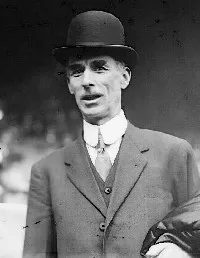
Dunn had offered Ruth to Connie Mack first. Mack was also feeling the Federal League pinch. He was one year away from his own fire sale.
Dunn never offered Ruth to John McGraw of the Giants. McGraw, known as “Little Napoleon,” was furious. That anger cost him. A decade later, Dunn asked if McGraw wanted Lefty Grove. McGraw snubbed him. Dunn sold Grove to Connie Mack for $100,600. Grove became one of the greatest left-handed pitchers ever.
Four months after that snowy train ride in Baltimore, Ruth was heading to the big leagues. He was going where he belonged.
The story doesn’t end there. He had a long career ahead in Boston.


