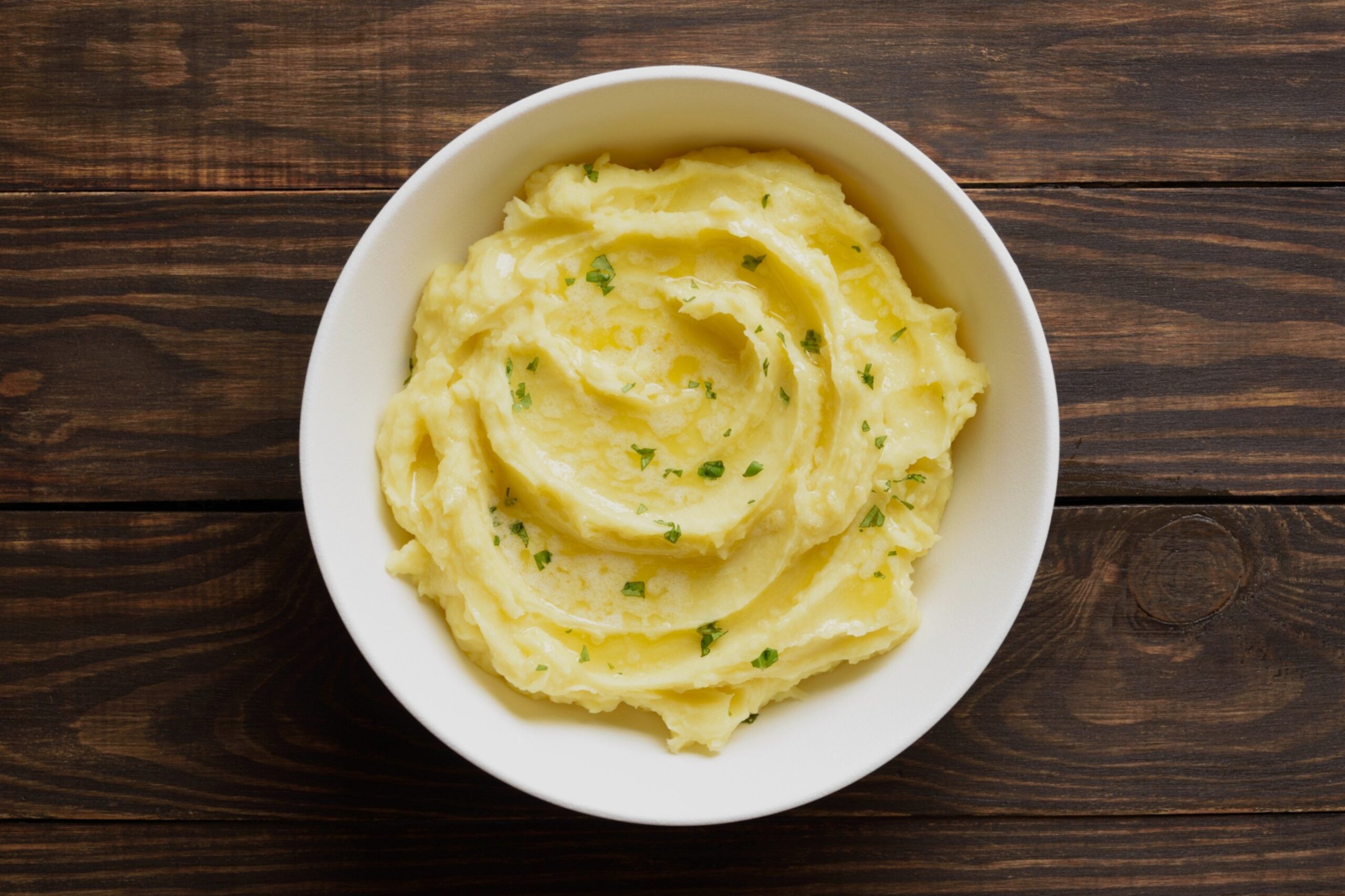
Mashed potatoes are a classic comfort food, but they often come with a side of saturated fat and empty calories. Fortunately, simple ingredient swaps and additions can transform this dish into a surprisingly nutritious meal. The key is understanding how certain choices affect both taste and health benefits.
Choosing the Right Potato
The foundation of healthy mashed potatoes lies in the potato itself. Different varieties offer different nutritional profiles and textures.
- Russet potatoes create fluffy, light mash but can spike blood sugar faster than other options.
- Yukon Gold potatoes are naturally creamy, reducing the need for heavy dairy additions. They’re also a good source of potassium and vitamin C.
- Red and purple potatoes deliver a boost of antioxidants called anthocyanins, which may support healthy aging and reduce disease risk. Their color isn’t just for show.
- Sweet potatoes are rich in fiber, vitamin C, and carotenoids. Their natural sweetness minimizes the need for added sugars.
Leaving the skin on, regardless of the variety, maximizes fiber and nutrient intake. This is a small change with a big impact.
Lightening Dairy Without Sacrificing Creaminess
Traditional mashed potatoes rely on butter, full-fat milk, or cream for richness. Cutting back doesn’t mean sacrificing flavor:
- Low-fat milk or unsweetened plant-based milk can replace full-fat dairy without a major texture change.
- Greek yogurt adds protein and a tangy flavor, making it a healthier substitute for sour cream or cream cheese.
- A small amount of butter stirred in at the end provides flavor without excessive fat.
- Olive oil is an alternative, though butter produces firmer, more consistent results.
Boosting Nutrition With Vegetable Add-Ins
Sneaking in extra vegetables is a simple way to supercharge your mash.
- Steamed cauliflower blends seamlessly with potatoes, reducing calories and adding vitamins C, K, folate, and fiber. A 50/50 ratio is a good starting point.
- Steamed parsnips offer natural sweetness alongside fiber, vitamin C, and potassium. They’re a less common but effective addition.
Adding vegetables isn’t just about health; it subtly alters the flavor profile, making for a more interesting dish.
Seasoning Strategically
Salt enhances flavor, but excessive sodium is a concern. Relying on herbs and spices reduces intake while adding complexity.
- Chili pepper, paprika, oregano, thyme, rosemary, cinnamon, and nutmeg all contribute unique flavors and potential health benefits (such as antioxidants).
- Incorporate spices during mashing or sprinkle them on top for a final flourish.
The goal isn’t just to make mashed potatoes healthier, but to elevate their flavor profile while reducing unnecessary fats and sodium.
By carefully selecting ingredients and incorporating these simple tweaks, mashed potatoes can be both a comforting indulgence and a nutritious part of a balanced diet.