


For anyone sexually active who doesn’t want a pregnancy, birth control options are more diverse than ever. This isn’t just about avoiding children; contraception can also manage period health and even improve skin conditions. As Dr. CeCe Cheng notes, “Before looking at effectiveness, we first figure out what the patient wants from birth control.” And it’s not just a woman’s responsibility. According to Dr. Meera Shah, “Everyone should be counseled on all methods of contraception… regardless of sex or gender.”
This guide breaks down the main types, weighing pros and cons so you can make an informed decision. Remember: switching methods is always an option. As Dr. Shah emphasizes, finding what works best takes time, and that’s okay.
Barrier Methods: Condoms and Diaphragms
Condoms remain the only method protecting against most sexually transmitted infections (STIs). Latex versions are widely available, but latex-free plastic or lambskin options exist (though lambskin offers less STI protection). Using water-based lubricant is vital with latex to prevent breakage. While 85% effective at preventing pregnancy, consistency is key; Dr. Shah points out that backup methods like emergency contraception are smart if you don’t use them every time.
Internal condoms (formerly called “female condoms”) provide another barrier, but with 79% pregnancy prevention effectiveness.
Diaphragms and cervical caps fit inside the vagina to cover the cervix, but don’t prevent STIs. Used with spermicide, they’re 88% effective, but spermicide alone is only 79% reliable.
Long-Acting Reversible Contraception (LARC): IUDs
IUDs are small, T-shaped devices inserted into the uterus, offering years of hassle-free protection. Two main types exist:
- Copper IUDs: These don’t contain hormones; instead, copper interferes with sperm function. ParaGard is the only FDA-approved brand, over 99% effective for up to 10 years. Drawbacks include heavier, more painful periods, and the need for a medical procedure for removal.
- Hormonal IUDs: Releasing progestin, these thicken cervical mucus and prevent ovulation. Effective for 3-8 years, they also reduce cramps and may lighten periods. However, they require a procedure and aren’t suitable for those with uterine abnormalities.
Hormonal Contraceptives: Pills, Patches, Rings, Shots, and Implants
These methods use estrogen and progestin to prevent ovulation.
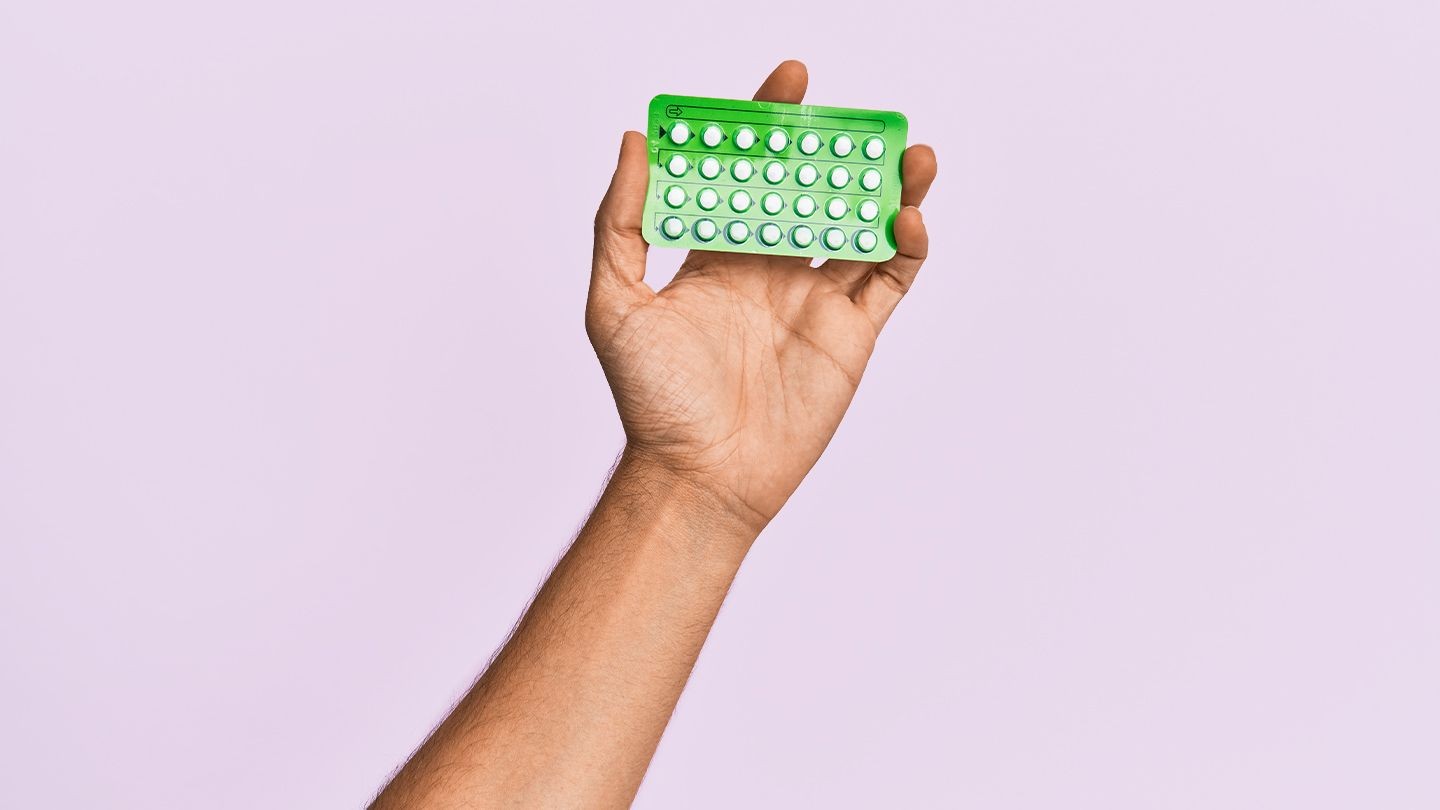
- Birth Control Pills: The most common type, requiring daily intake. Combination pills (estrogen and progestin) are 93% effective with perfect use.
- Birth Control Patches: Applied weekly for three weeks, followed by a patch-free week for menstruation, offering the same 93% effectiveness without daily pills.
- Birth Control Rings: Inserted into the vagina, releasing hormones continuously for three weeks, then removed during menstruation. Also 93% effective.
- Birth Control Shots (Depo-Provera): A progestin injection every three months, 96% effective but requires regular clinic visits.
- Birth Control Implants: A small rod inserted under the skin of the upper arm, releasing progestin for up to five years, offering 99% effectiveness.
Dr. Cheng cautions that estrogen-containing methods may slightly increase blood clot risk in smokers or those over 35.
Other Methods: Gels, Sponges, and Emergency Contraception
- Spermicides: Available over-the-counter, but only 79% effective alone. Often used with condoms or cervical caps.
- Contraceptive Gel (Phexxi): A prescription gel that makes the vagina acidic, hindering sperm movement. About 86% effective, but requires use before each sexual encounter.
- Birth Control Sponges: Inserted into the vagina before sex, containing spermicide and acting as a barrier. 79-86% effective, but not STI-proof.
- Emergency Contraception (EC): Pills like Plan B (levonorgestrel) or Ella (ulipristal acetate) can prevent pregnancy up to five days after unprotected sex. IUDs are also highly effective if inserted within that timeframe.
Permanent Solutions: Surgical Options
For those certain about avoiding future pregnancies, surgery is an option:
- Vasectomy: A simple outpatient procedure for men, cutting the tubes carrying sperm. Effective after about 20 ejaculations.
- Tubal Ligation: A surgical procedure for women, blocking the fallopian tubes. Reversal is possible but not always successful.
Ultimately, choosing birth control is a personal decision. Consult with a healthcare provider to discuss your lifestyle, goals, and needs. Don’t hesitate to switch methods if one doesn’t fit; as Dr. Shah says, “Sometimes it takes a few attempts to find something you’re comfortable with.”


