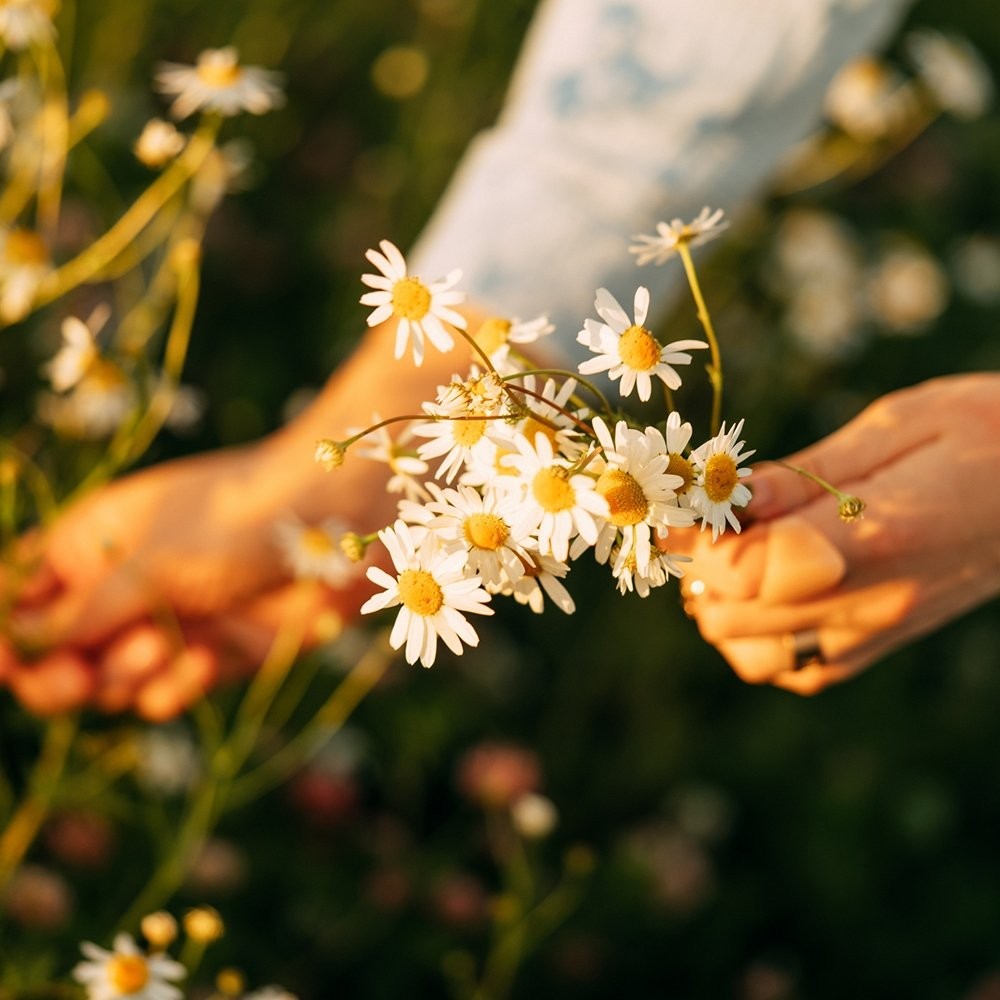
The spring equinox, the moment when day and night reach near-perfect balance, isn’t just an astronomical event—it’s a cultural and personal turning point. After winter’s long nights, this shift in light and temperature marks a natural time for reflection, renewal, and setting intentions. For many, it’s the first real signal that a fresh start is possible.
Why Does the Equinox Matter?
The spring equinox occurs when the Sun crosses Earth’s equator, resulting in roughly equal hours of daylight and darkness across most of the planet. This isn’t merely a seasonal marker; for millennia, humans have tied this moment to planting cycles, spiritual practices, and cultural celebrations. Today, the equinox serves as a reminder that change is inevitable, and with it, opportunities for growth.
The shift in daylight isn’t just symbolic. Increased exposure to sunlight impacts mood, energy levels, and even sleep patterns. This makes the equinox an ideal time to realign routines and prioritize well-being.
When Does it Happen?
The exact timing of the equinox varies by hemisphere:
- Northern Hemisphere: March 20, 2026, at 10:46 a.m. Eastern / 7:46 a.m. Pacific (14:46 UTC).
- Southern Hemisphere: September 23, 2026, at 12:05 UTC.
After the equinox, daylight hours steadily increase in each hemisphere, triggering visible changes in the natural world and often influencing human behavior.
10 Ways to Celebrate Renewal
The spring equinox offers a natural pause for self-assessment. Whether you embrace grand rituals or quiet reflection, here are 10 ways to mark the occasion:
- Soak up the sunlight: Notice the lengthening days and how they affect your mood and energy.
- Reconnect with nature: Spend time outdoors, even if it’s just a walk or opening a window.
- Check in with yourself: Journal, meditate, or simply pause to assess how you’re feeling.
- Try a mindfulness practice: Short meditations can ground you in the present moment.
- Move your body: Adjust your exercise routine to match the season’s energy.
- Declutter one space: Start small to create mental clarity.
- Engage your senses: Light a candle, cook seasonal foods, or enjoy natural scents.
- Connect with someone: Share your thoughts about the changing season.
- Acknowledge your growth: Reflect on what you’ve overcome in recent months.
- Set a micro-goal: Choose one small habit to improve for the next few weeks.
Equinox FAQs
- What’s the difference between an equinox and a solstice? Equinoxes balance daylight and darkness, while solstices mark the longest and shortest days of the year.
- Why is it called the vernal equinox? “Vernal” means “of spring,” referring to the March equinox in the Northern Hemisphere.
- Is the equinox always on the same date? The exact date shifts slightly each year due to Earth’s orbit, usually falling between March 19–21 (Northern Hemisphere) or September 22–23 (Southern Hemisphere).
The spring equinox isn’t just a celestial event; it’s a cultural and personal symbol of renewal. Embracing this moment, even in a small way, can bring clarity, motivation, and a deeper connection to the natural world.