


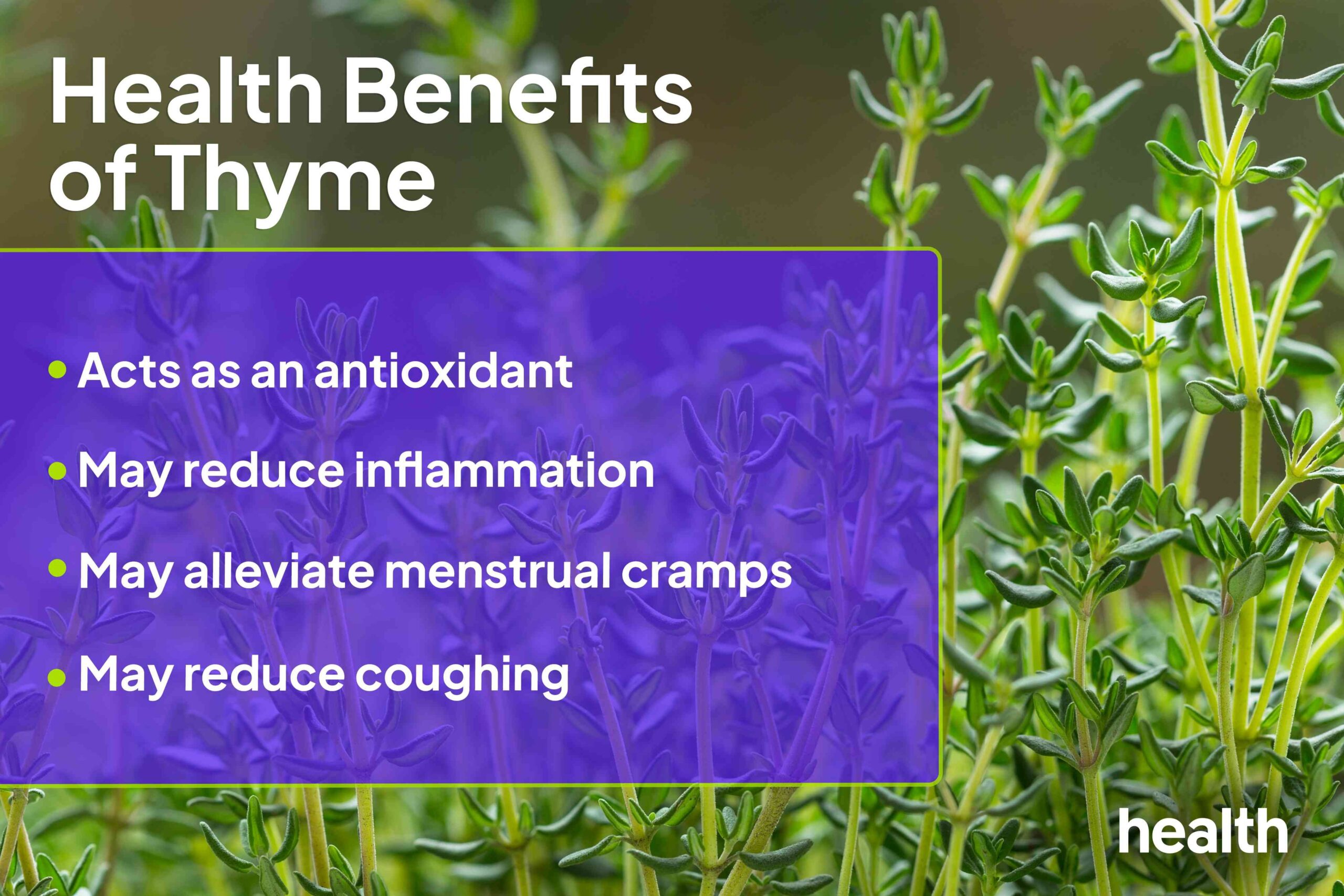
Thyme (Thymus vulgaris ) is a common herb with a surprisingly robust profile of health benefits. While traditional use suggests many medicinal properties, modern science is starting to confirm them – though rigorous human studies are still needed in some areas. This article breaks down what we know about thyme’s antioxidant, anti-inflammatory, and antimicrobial effects, along with how to safely incorporate it into your diet or wellness routine.
Antioxidant and Anti-Inflammatory Effects: What the Research Says
Thyme is packed with antioxidants, including vitamin C, phenolic compounds, and flavonoids. These compounds combat free radicals, unstable molecules that damage cells and contribute to aging and disease. One key component, thymol, appears to enhance antioxidant activity, even boosting the effectiveness of other antioxidants like vitamin E.
Why this matters: Chronic inflammation is linked to conditions like heart disease, diabetes, and arthritis. Early research suggests that thyme may help reduce inflammation, with animal studies showing significant effects in reducing inflammatory markers. However, we need more high-quality human trials to verify these benefits and determine effective dosages.
Thyme for Pain Relief: Menstrual Cramps and Beyond
Traditionally used for pain management, thyme shows promise in alleviating menstrual cramps. A study with young women in Ethiopia found that drinking thyme tea reduced cramps by 63% compared to a control group. Another trial showed that thyme essential oil reduced pain levels similarly to ibuprofen in participants with menstrual cramps.
The key takeaway: Thyme’s pain-relieving effects could stem from its antioxidant and anti-inflammatory properties. However, these studies are preliminary, and more research is needed to understand the mechanisms at play.
Respiratory Health: Cough Relief and Antimicrobial Action
Thyme has a long history of treating respiratory symptoms, and studies suggest it can reduce coughing. One trial found that a thyme-ivy extract significantly improved cough severity in people with upper respiratory infections. This effect may be due to thyme’s anti-inflammatory and antiviral properties.
Beyond coughs: Thymol, a major component of thyme oil, is a potent antimicrobial agent. It’s so effective that it’s used in mouthwash (like Listerine) to kill bacteria and fungi. Lab tests show that thyme essential oil can inhibit the growth of Candida strains and other harmful pathogens.
How to Use Thyme Safely: Supplements, Oils, and Cooking
Thyme is available as a supplement, oil, or simply as the herb in your kitchen.
- Supplements: Dosages aren’t firmly established, but exceeding 10 grams daily may increase the risk of adverse effects. Most supplements contain less than 2 grams per serving.
- Essential Oil: For aromatherapy, add a few drops to a diffuser. For topical use, dilute with a carrier oil (like coconut or olive oil) to avoid skin irritation. Ingesting thyme oil should be done cautiously, using only ingestible oils and starting with small amounts.
- Cooking: Thyme is incredibly versatile in the kitchen. Add sprigs to roasts, soups, stews, or sprinkle on roasted vegetables for flavor and potential health benefits.
Risks and Precautions: What You Need to Know
Thyme is generally considered safe when used responsibly. Common side effects are rare but may include allergic reactions, diarrhea, dizziness, heartburn, nausea, and vomiting.
Important warnings:
- People with allergies to the mint family should avoid thyme.
- Pregnant and breastfeeding individuals should avoid supplements due to limited research on their safety.
- Undiluted thyme oil can cause skin irritation; always dilute before topical application.
The Bottom Line: A Promising Herb with Caveats
Thyme offers a range of potential health benefits, from reducing inflammation and pain to fighting infections. However, most research is preliminary, and high-quality human trials are crucial to confirm these effects and establish safe dosages. Whether you add it to your meals, use essential oil in moderation, or consider supplements, thyme is a versatile herb worth exploring – but always with informed caution.


