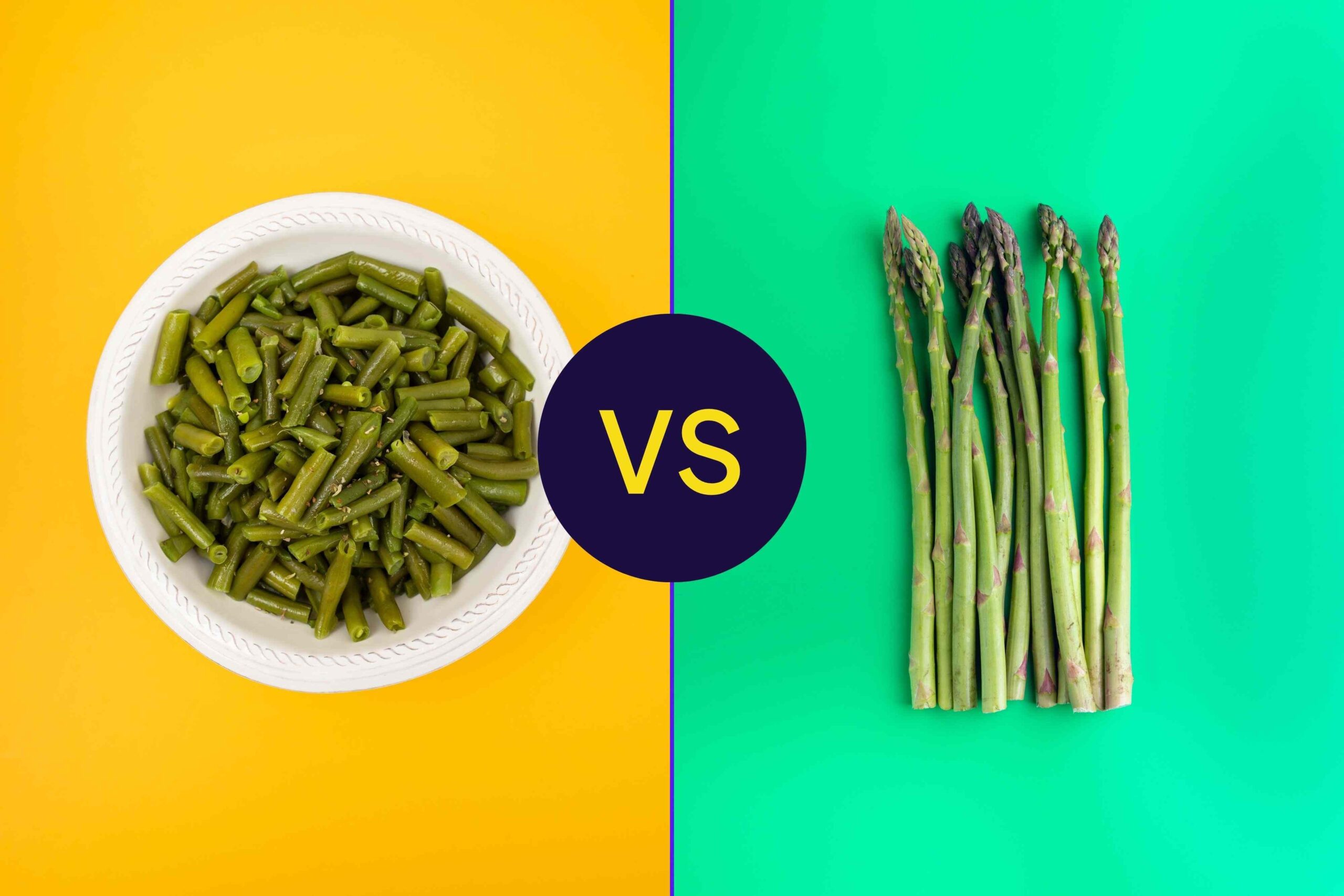
Both green beans and asparagus are nutrient-rich vegetables with similar health benefits, yet they differ in their vitamin content. Understanding these differences can help you choose the best option to maximize your intake of specific vitamins.
Vitamin K: A Shared Strength
Both vegetables are excellent sources of vitamin K, essential for blood clotting and bone health. While both provide substantial amounts of this nutrient, asparagus contains slightly higher levels. This means that if vitamin K is your primary focus, asparagus may be the better choice.
Folate and Beta-Carotene: Asparagus Takes the Lead
Asparagus stands out with significantly higher levels of folate (vitamin B9) and beta-carotene (which the body converts to vitamin A). Folate is crucial for cell growth and function, especially during pregnancy, while beta-carotene supports vision, immune function, and skin health. If these vitamins are priorities, asparagus offers a more concentrated dose.
Vitamin C: A Slight Edge for Green Beans
Green beans contain slightly more vitamin C than asparagus. Vitamin C is a potent antioxidant that boosts immunity, helps with iron absorption, and protects against cell damage. While the difference is not dramatic, green beans provide a small advantage in this regard.
Overall Nutritional Profile
Despite their vitamin differences, green beans and asparagus are both low in calories, carbohydrates, and fat. They also offer comparable amounts of fiber, which aids digestion and promotes gut health. Choosing between them often comes down to personal preference and which vitamins you want to emphasize in your diet.
Both green beans and asparagus are versatile and nutritious additions to any meal. Incorporating both into your diet ensures a broader range of vitamins and health benefits.