


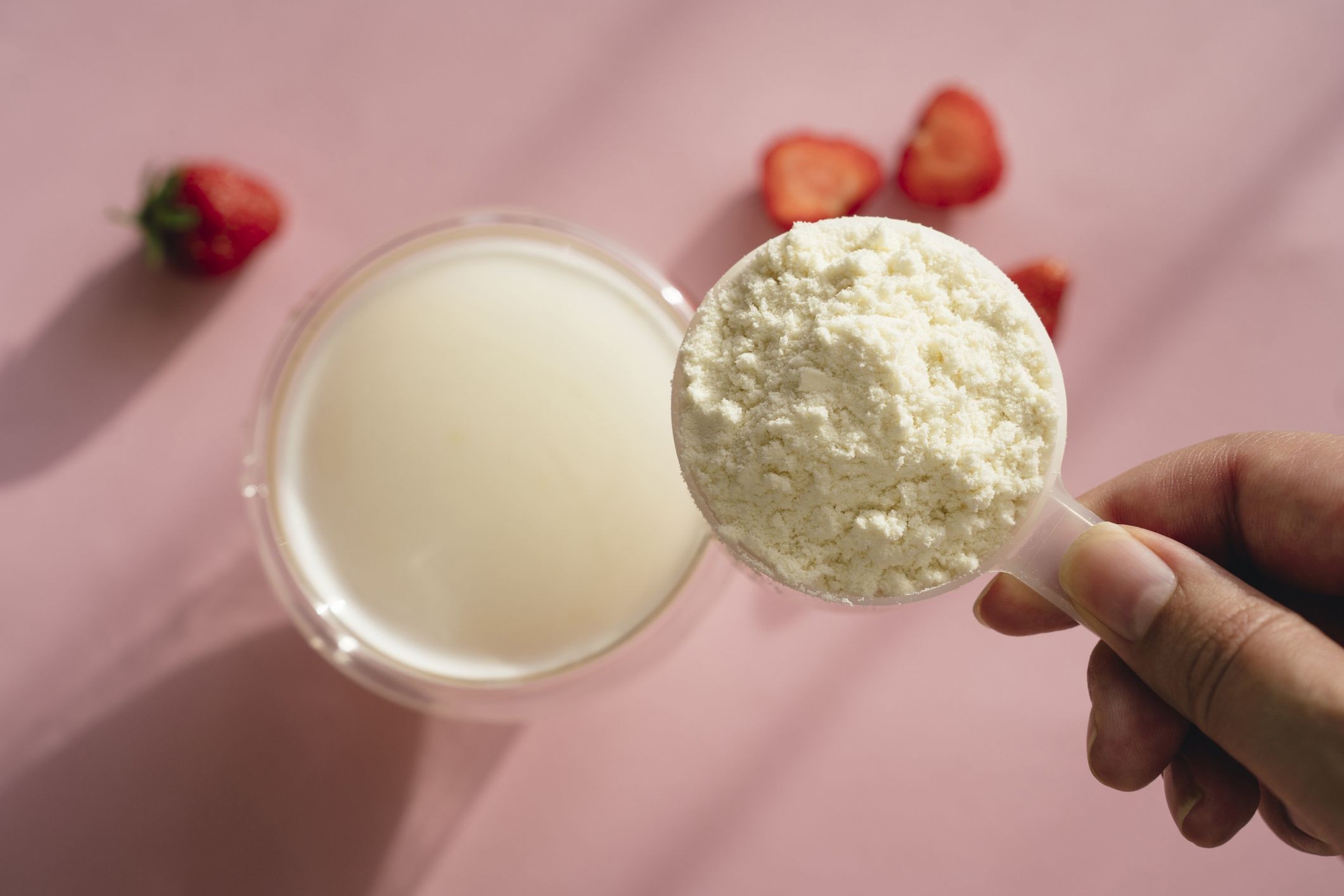
The world of nutrition can be confusing, especially when it comes to protein. Despite its importance, many common beliefs about this essential nutrient are outdated or simply wrong. Here’s a breakdown of eight widespread protein myths, backed by scientific evidence, to help you optimize your intake for better health and performance.
Myth 1: You Can Only Absorb 30 Grams of Protein per Meal
This claim is outdated. Recent research, including a 2023 study, shows the body can efficiently process much larger doses of protein – up to 100 grams at a time – particularly under stress. The key is that amino acids aren’t just for muscle; they power everything from hormone regulation to immune function. While consistent intake matters most, limiting yourself to 30 grams per sitting is unnecessary for most individuals.
Myth 2: Older Adults Don’t Need Much Protein
This is demonstrably false. As we age, our bodies become less efficient at processing protein (anabolic resistance ), requiring more, not less, to maintain muscle mass and bone health. Studies recommend 1.0–1.3 grams of protein per kilogram of body weight (0.45–0.59 grams per pound) daily for adults over 65, with even higher amounts potentially beneficial for those who exercise. Ignoring this need leads to accelerated muscle loss and diminished function.
Myth 3: Protein Timing After Workouts Is Critical
While a post-workout protein shake isn’t harmful, it’s far less important than overall daily intake. Consistency is king: aim for 1.6–3.3 grams of protein per kilogram (0.7–1.5 grams per pound) combined with resistance training. Experts also suggest spacing protein-rich meals every three to four hours to maximize muscle growth. The total daily amount matters far more than precise timing.
Myth 4: High Protein Harms Your Kidneys
This is largely a myth for healthy individuals. While high protein increases nitrogenous waste, healthy kidneys handle this load efficiently. Studies show intakes up to five times the RDA are safe. However, people with pre-existing kidney conditions should monitor protein intake closely, as excessive amounts could exacerbate their condition.
Myth 5: The RDA Is Your Protein Goal
The Recommended Dietary Allowance (RDA) of 0.8 grams per kilogram (0.36 grams per pound) is a minimum to prevent deficiency, not an optimal target. Most people, especially those active or aiming to build muscle, require significantly more. Active individuals benefit from 1.2–2.0 grams per kilogram (0.54–0.9 grams per pound) daily. The RDA is a baseline, not a ceiling.
Myth 6: You Can’t Get Enough Protein From Plants
Plant-based proteins are often labeled “incomplete” due to missing amino acids, but combining different sources solves this issue. Beans, lentils, fortified soy products, and peas are all excellent options. Diversity is key: mixing plant-based proteins ensures you receive all essential amino acids.
Myth 7: High Protein Damages Bones
This myth has been debunked. Protein is essential for bone health, making up around 50% of bone volume. Insufficient protein intake can lead to bone density loss and increased fracture risk. Studies show that exceeding the RDA actually strengthens bones, protecting against osteoporosis.
Myth 8: Protein Is Only For Active People
Protein isn’t just about muscle building; it’s crucial for satiety, weight management, immune function, hormone production, and organ structure in everyone. Newer research suggests healthy adults should consume 1.0–1.2 grams per kilogram (0.45–0.54 grams per pound) daily, regardless of activity level.
In conclusion, many common protein beliefs are based on outdated information or misconceptions. Optimizing your intake involves understanding your individual needs, prioritizing overall daily consumption, and choosing diverse protein sources. Proper protein intake is not just about building muscle; it’s about supporting optimal health across the lifespan.


