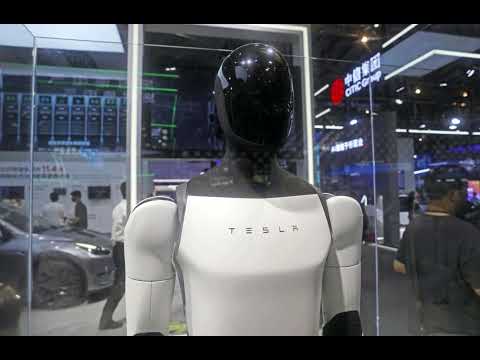
Elon Musk recently claimed his Tesla Optimus robot could perform most surgeries within three years, exceeding even elite surgeons in five. While such claims align with Musk’s tendency for ambitious projections, the underlying technology suggests the idea isn’t entirely far-fetched – though the timeline is optimistic. The question isn’t if robots will play a bigger role in surgery, but how, and what that means for the future of healthcare.
The Current State of Robotic Surgery
Robotic surgery isn’t new. Systems like Intuitive Surgical’s da Vinci have been used in over 12 million procedures since 1999, improving precision in minimally invasive surgeries and reducing complications. These tools assist surgeons, enhancing their abilities rather than replacing them entirely. As Dr. Martin Pham, a neurosurgeon at UC San Diego, explains, “Robotics is a powerful tool… but it can never replace surgical judgment.” The surgeon’s expertise remains critical for applying core principles before, during, and after the procedure.
Optimus and Full Autonomy: A Leap Forward?
Musk envisions Optimus operating fully autonomously, leveraging Tesla’s AI (like those used in self-driving cars) and advanced manipulation capabilities. The robot’s Gen 3 hand, with 50 actuators, is a significant upgrade from the prototype’s 17, enhancing dexterity. While possible, achieving this level of autonomy requires overcoming substantial hurdles.
The Limits of Automation in Healthcare
Musk argues that robots can democratize healthcare, providing elite surgical care to underserved populations. However, simply making surgery technically available isn’t enough. Excellent surgical outcomes depend on a comprehensive team: skilled nurses, physical therapists, and meticulous postoperative care. A robot may flawlessly execute a complex spinal reconstruction, but it can’t provide the months of human-intensive rehabilitation essential for long-term success.
The Risk of Lowering Standards
Enabling technologies like navigation systems and robotic platforms can reduce technical errors, but they also introduce risks. By lowering the perceived skill threshold, they could allow less experienced surgeons to attempt complex procedures they wouldn’t have otherwise. This creates a “moral hazard,” where technology masks underlying deficiencies in judgment. True expertise lies in understanding why a surgical approach works, not just how to execute it mechanically. A robot cannot determine whether a procedure is truly necessary or if alternative treatments would be more effective.
The Future: Augmentation, Not Replacement
The most likely scenario isn’t robots replacing surgeons entirely but augmenting their abilities. This would allow individual surgeons to treat more patients with greater efficiency, potentially driving up healthcare utilization and revenue. The real question is whether patients will accept robotic surgeons, given their unease about fully autonomous vehicles despite safety data. And who will be held accountable when things go wrong? Patients will demand answers from a person, not an algorithm.
In conclusion, while robots will undoubtedly reshape surgery, they are unlikely to replace human surgeons entirely. The future of healthcare lies in a careful balance between technological advancement and the irreplaceable value of human expertise. The ultimate goal should be to enhance procedural safety and expand access to care, but not at the expense of rigorous training, mentorship, and self-awareness among surgeons.