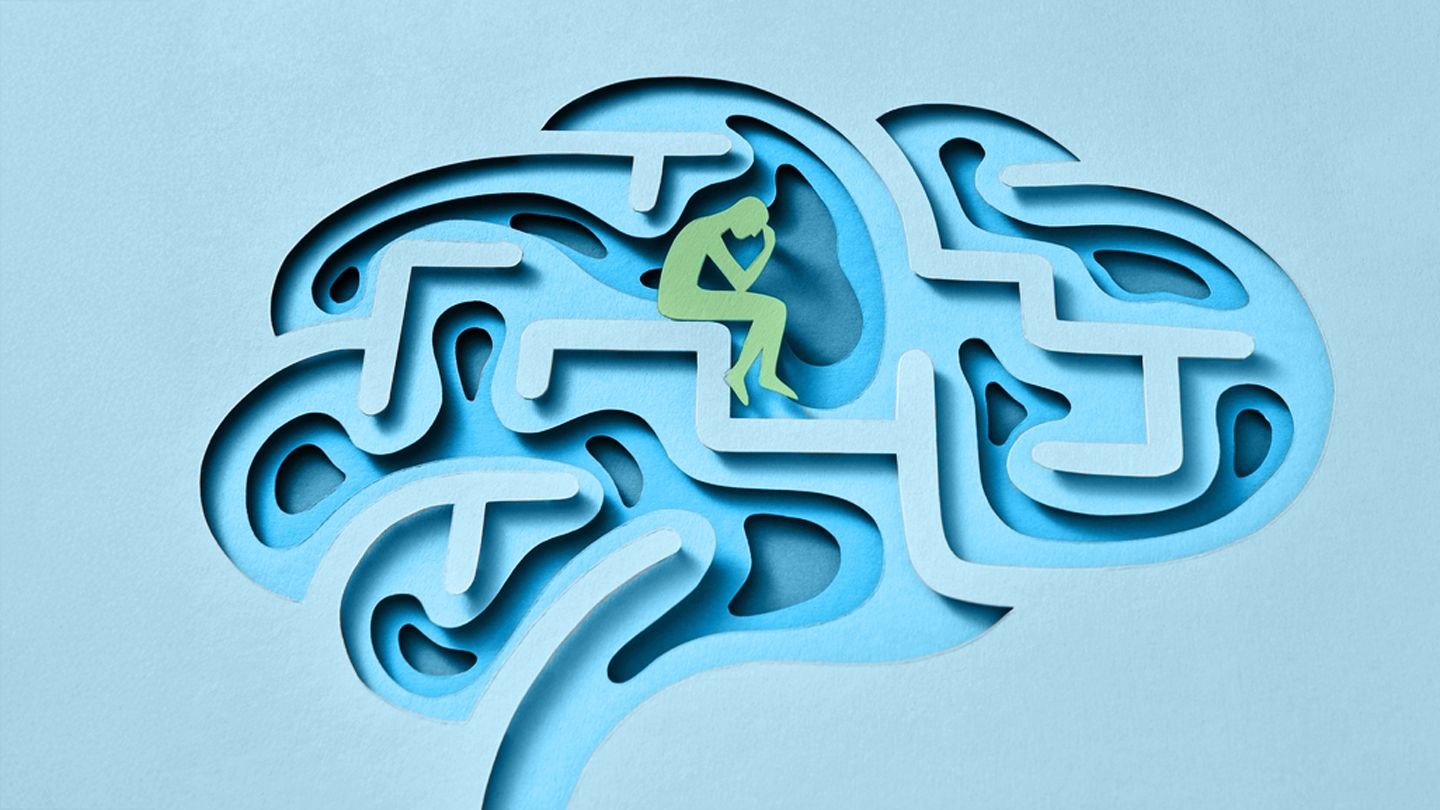
Maintaining brain health as we age is critical for overall well-being. Research indicates the most effective strategy for improving memory and lowering the risk of dementia involves diverse activities that challenge and nourish the brain. This isn’t about finding one magic solution, but building a lifestyle that consistently engages cognitive function.
Why This Matters: Cognitive decline isn’t inevitable. The brain, like any muscle, benefits from consistent exercise. The key is cognitive reserve – the brain’s ability to withstand damage from aging or disease – and neuroplasticity, its capacity to adapt and form new connections. Both are strengthened through regular mental stimulation.
The Science of a Sharper Mind
The brain’s resilience isn’t fixed; it’s built through use. Engaging in mentally demanding tasks, such as learning new skills or playing strategic games, stimulates neural pathways and enhances neuroplasticity. This isn’t just about avoiding decline; it’s about maximizing the brain’s potential at every age.
Cognitive Reserve and Neuroplasticity: These concepts are central to brain health. Cognitive reserve allows the brain to function efficiently despite damage, while neuroplasticity ensures it can adapt and learn throughout life.
11 Brain-Boosting Activities
There’s no single “cure” for preventing dementia. The best approach is a varied mix of activities that continually challenge your mind. Here are 11 proven strategies to consider:
1. Speed Processing Training
Research, including the ACTIVE study, shows that up to 23 hours of targeted cognitive training over three years can reduce dementia risk by 25%. Programs like BrainHQ’s “Double Decision” sharpen visual processing and attention.
2. Learn a New Language
Language learning forces the brain to work on multiple levels: memory, vocabulary, and grammar. This broad stimulation strengthens cognitive function.
3. Play Chess
Chess demands complex strategic thinking, preventing mindless repetition. The social aspect of joining a chess group adds an additional benefit.
4. Pick Up a Musical Instrument
Learning an instrument challenges multiple cognitive functions simultaneously: coordination, memory, and perception. Studies suggest this can lower dementia risk.
5. Card Games (Bridge, etc.)
Complex card games like bridge require sustained mental effort and strategic planning, keeping the brain sharp.
6. Get Active: Pickleball or Any New Sport
Physical exercise isn’t just good for the body; it directly impacts brain health. Engaging in a sport you enjoy provides both physical and mental stimulation.
7. Lifelong Learning
Taking classes or courses keeps the brain engaged and challenged. Adult literacy activities have been linked to a reduced dementia risk.
8. Embrace a New Hobby
Hobbies, whether creative or physical, provide a sense of purpose and mental stimulation, both protective against cognitive decline.
9. Mental Math
Regularly challenging yourself with mental calculations forces the brain to work harder, potentially improving cognitive function.
10. Tai Chi & Nature
Combining gentle exercise like Tai Chi with time spent outdoors offers a double boost: physical activity and exposure to natural environments, both linked to better cognition.
11. Trivia & Social Engagement
Trivia games stimulate memory and learning. Combining this with social interaction further enhances brain health by reducing stress and promoting emotional well-being.
The Bottom Line: The most effective approach is variety. Avoid relying on a single activity; challenge your brain in different ways to maximize its resilience. The key is to choose activities you enjoy, making it more likely you’ll stick with them long-term.
Resources: Mayo Clinic ; Alzheimer’s & Dementia