The modern kitchen is a landscape of choices. From almond and oat to buckwheat and amaranth, the proliferation of alternative flours can feel overwhelming. Yet, amidst this variety, one ingredient has carved out a distinct niche: coconut flour.
Derived from the dried meat of coconuts, this finely ground powder is not just a trendy addition to gluten-free baking; it is a nutritional powerhouse with specific culinary properties. Understanding how to use it effectively transforms it from a confusing substitute into a valuable tool for health-conscious cooking.
What Is Coconut Flour?
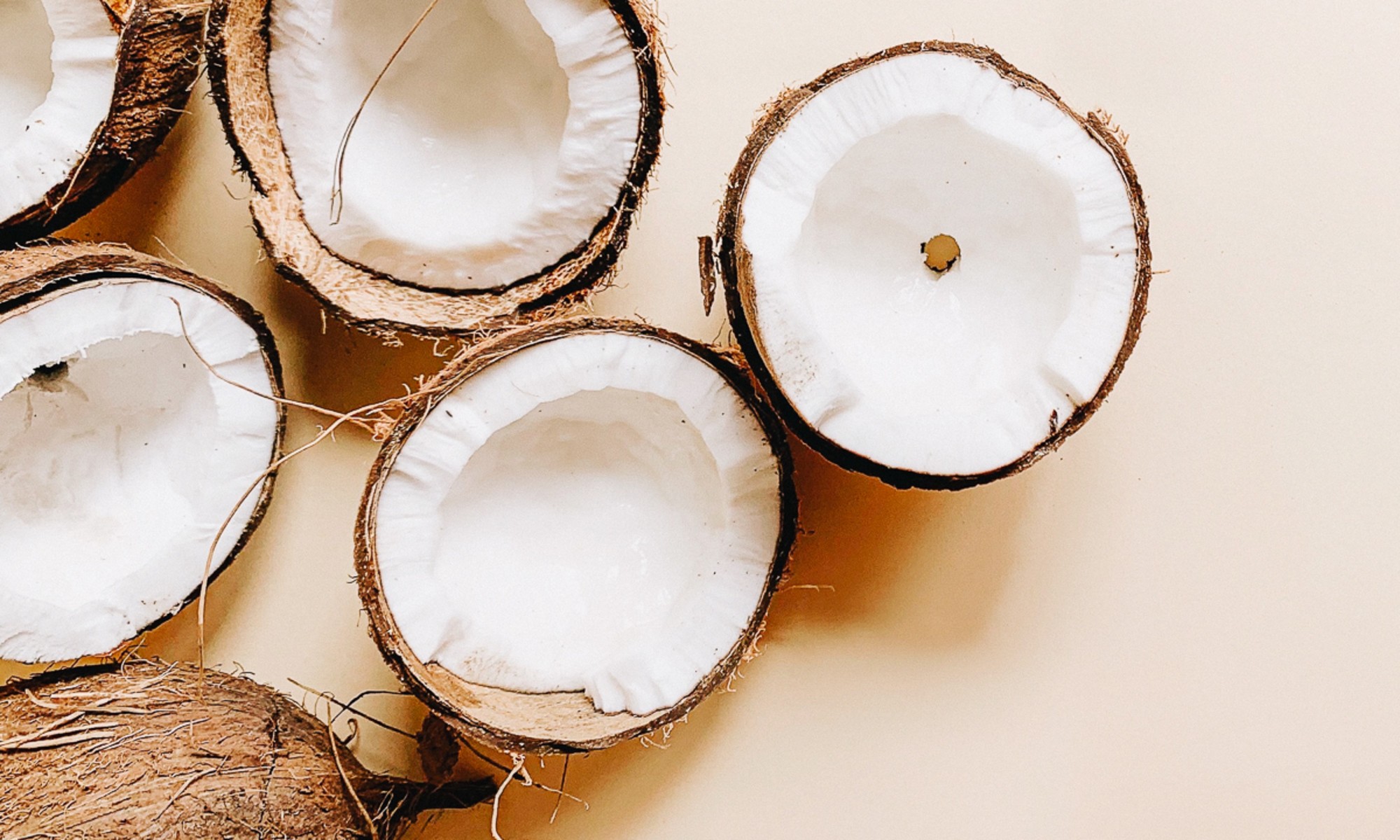
Coconut flour is a byproduct of the coconut milk industry. After coconut meat is soaked to extract milk, the remaining pulp is dried and ground into a soft, light powder.
According to Dana K. Monsees, M.S., CNS, LDN, a dietitian-nutritionist, this process results in an allergen-friendly flour that is naturally free from gluten and grains. Its flavor profile is subtly sweet with a distinct coconut aroma, making it particularly well-suited for desserts, breads, and pastries.
The Nutritional Profile: More Than Just Fiber
Coconut flour is often highlighted for its high fiber content, but its nutritional value extends further.
- Digestive Health: The majority of the fiber in coconut flour is insoluble fiber. This type of fiber adds bulk to stool and helps food move efficiently through the digestive tract. It also contains smaller amounts of soluble fiber, which feeds beneficial gut bacteria.
- Satiety: While not a “magic bullet” for weight loss, the combination of higher protein and significant fiber content can help promote feelings of fullness, potentially aiding in appetite control.
Key Insight: Coconut flour is dense in nutrients but low in calories compared to some nut-based flours, making it a strategic choice for those managing both dietary restrictions and caloric intake.
The Golden Rule: It Absorbs Liquid
The most critical challenge for home bakers using coconut flour is its absorbency. Unlike all-purpose wheat flour, coconut flour is highly porous and absorbs significantly more liquid.
Do not substitute it 1:1.
Attempting to replace a cup of all-purpose flour with a cup of coconut flour will result in a dry, crumbly disaster. Instead, follow these guidelines:
- Reduce the Quantity: Use only ¼ to ⅓ cup of coconut flour for every 1 cup of all-purpose flour called for in a recipe.
- Increase the Binders: Because it lacks gluten, coconut flour requires help to hold its shape. Adding an extra egg or increasing the wet ingredients (such as milk, yogurt, or oil) is often necessary to bind the flour and promote rising.
- Experiment: Every recipe reacts differently. Start with the lower ratio and adjust based on the consistency of your batter.
Alternatives: When Coconut Flour Isn’t the Right Fit
If you cannot find coconut flour or if its strong flavor doesn’t suit your dish, several other gluten-free options exist. However, each has distinct characteristics that affect the final product.
Almond Flour is a popular alternative, made from ground, blanched almonds. Like coconut flour, it provides minerals such as iron, calcium, and potassium, along with vitamin E. However, it differs significantly in:
* Calorie Density: Almond flour is higher in calories.
* Fat Content: It contains more fat, which changes the texture and moisture of baked goods.
* Flavor: It offers a nuttier taste rather than the subtle sweetness of coconut.
Other viable substitutes include buckwheat, sorghum, teff, and brown rice flour, each bringing unique textures and flavors to the table.
Conclusion
Coconut flour is a versatile, nutrient-dense ingredient that offers a viable solution for those avoiding gluten or seeking to increase their fiber intake. While it requires a shift in baking ratios—specifically regarding liquid absorption and binding agents—the effort yields rewards in the form of added protein, digestive health benefits, and a unique, sweet flavor profile. By mastering its specific properties, bakers can integrate this flour seamlessly into their culinary repertoire.