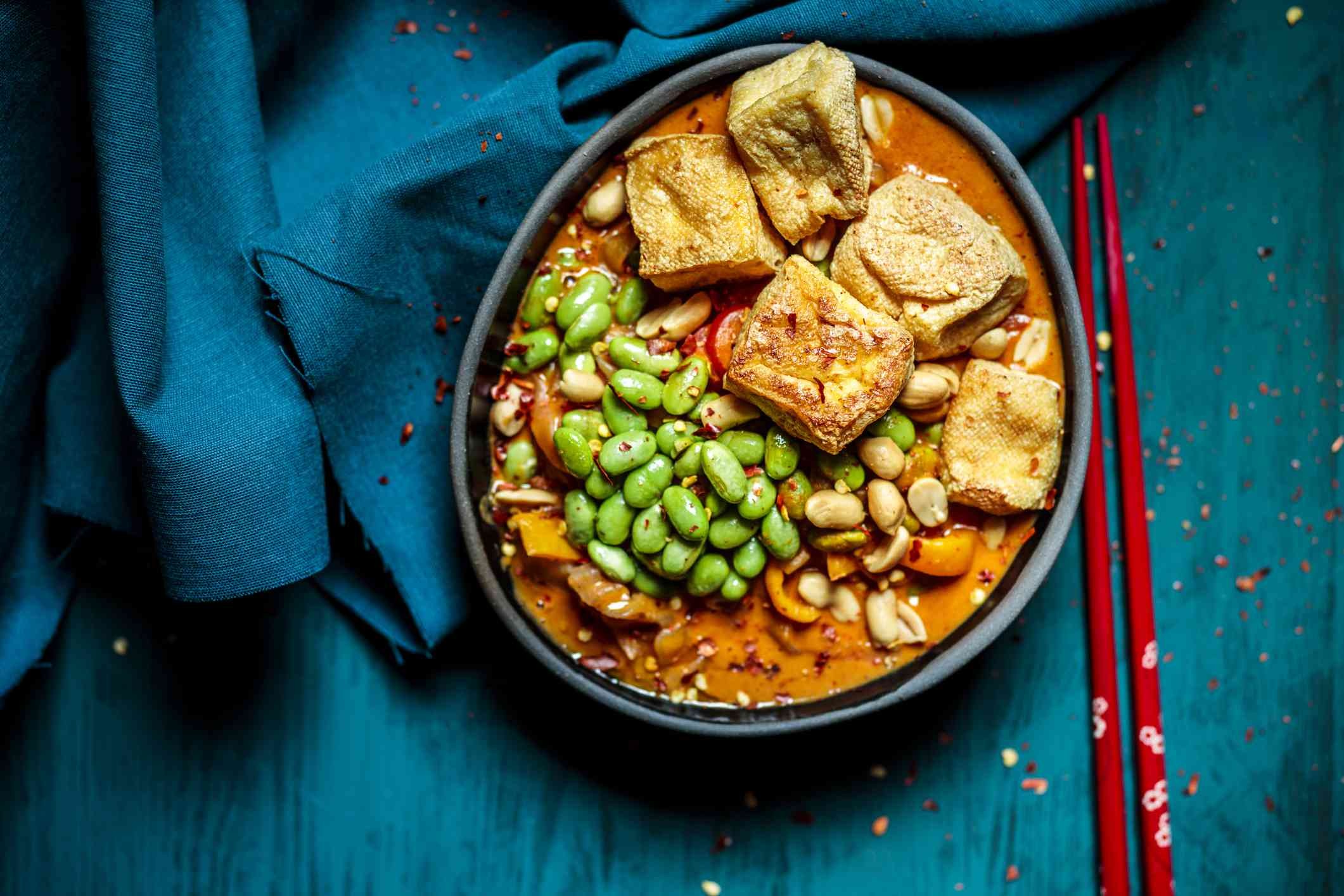
The Okinawan diet, rooted in the traditions of Japan’s longest-lived population, isn’t just a way of eating — it’s a lifestyle linked to exceptional health and longevity. This eating pattern emerged from necessity and cultural adaptation, offering lessons applicable worldwide. The Okinawan people historically had some of the lowest rates of chronic disease and highest lifespans, making their diet a subject of intense study.
The Science Behind the Blue Zone
The Okinawan diet is one of the five “Blue Zones” identified by National Geographic Fellow Dan Buettner, regions where people live demonstrably longer and healthier lives. This isn’t about magic; it’s about consistent, plant-forward nutrition that minimizes disease risk. The key isn’t just what they eat, but how they eat.
The diet’s benefits stem from a high intake of whole, unprocessed foods rich in antioxidants and fiber. These compounds protect against cellular damage from oxidative stress, a major driver of chronic illnesses like heart disease, diabetes, and cancer.
Core Principles: What and How to Eat
The Okinawan diet isn’t about strict rules, but about embracing a particular ratio of macronutrients. Traditionally, it breaks down as:
- Carbohydrates: 85% (primarily from sweet potatoes)
- Protein: 9% (mostly from soy, fish, and small amounts of pork)
- Fat: 6% (low in saturated fat)
Ninety percent of the traditional Okinawan diet consists of whole plant foods. The resilience of sweet potatoes in Okinawa’s frequent storms made them a staple, replacing rice common in other parts of Japan.
Key Foods Include:
- Sweet Potatoes: Purple, orange, and yellow varieties
- Soy Products: Tofu, miso, natto, edamame
- Vegetables: Seaweed, mushrooms, leafy greens, bitter melon (goya)
- Grains: Millet, brown rice
- Fish: Moderate amounts
- Alcohol: Limited to occasional sake or wine
Avoiding Modern Traps
The Okinawan diet historically excluded foods now common in Western diets: processed meats, refined sugars, dairy, and excessive red meat. The island’s isolation forced reliance on local staples, creating a naturally healthy pattern. Modernization is eroding this advantage; as Okinawa adopts Western eating habits, longevity trends are shifting downward.
The diet also emphasizes hara hachi bu, the practice of stopping eating when 80% full. This simple cue promotes portion control and prevents overconsumption.
Meal Ideas: Bringing Okinawa to Your Plate
Here are examples of meals following the Okinawan pattern:
- Breakfast: Miso soup with tofu and seaweed
- Lunch: Cream of mushroom soup (shiitake, soy milk, miso) or spiced chickpeas with sweet potatoes and brown rice.
- Dinner: Stir-fry with bitter melon, carrots, cabbage, and a small portion of fish or tofu.
Is It Right for You? Benefits & Considerations
The Okinawan diet offers potential benefits: increased longevity, reduced risk of chronic disease, and natural weight management. Studies suggest that adopting a plant-forward diet rich in legumes and whole grains could add over a decade to your life expectancy.
However, the diet’s restrictiveness could lead to nutrient deficiencies if not carefully planned. Its high carbohydrate content might also pose challenges for people with diabetes. While effective, it isn’t necessarily superior to other healthy diets like the Mediterranean diet, which offers greater dietary variety.
The Okinawan diet is more than just a list of foods; it’s a cultural approach to eating that prioritizes moderation, whole foods, and mindful consumption. It stands as a powerful reminder that longevity isn’t just about genetics — it’s about how we choose to nourish ourselves.