


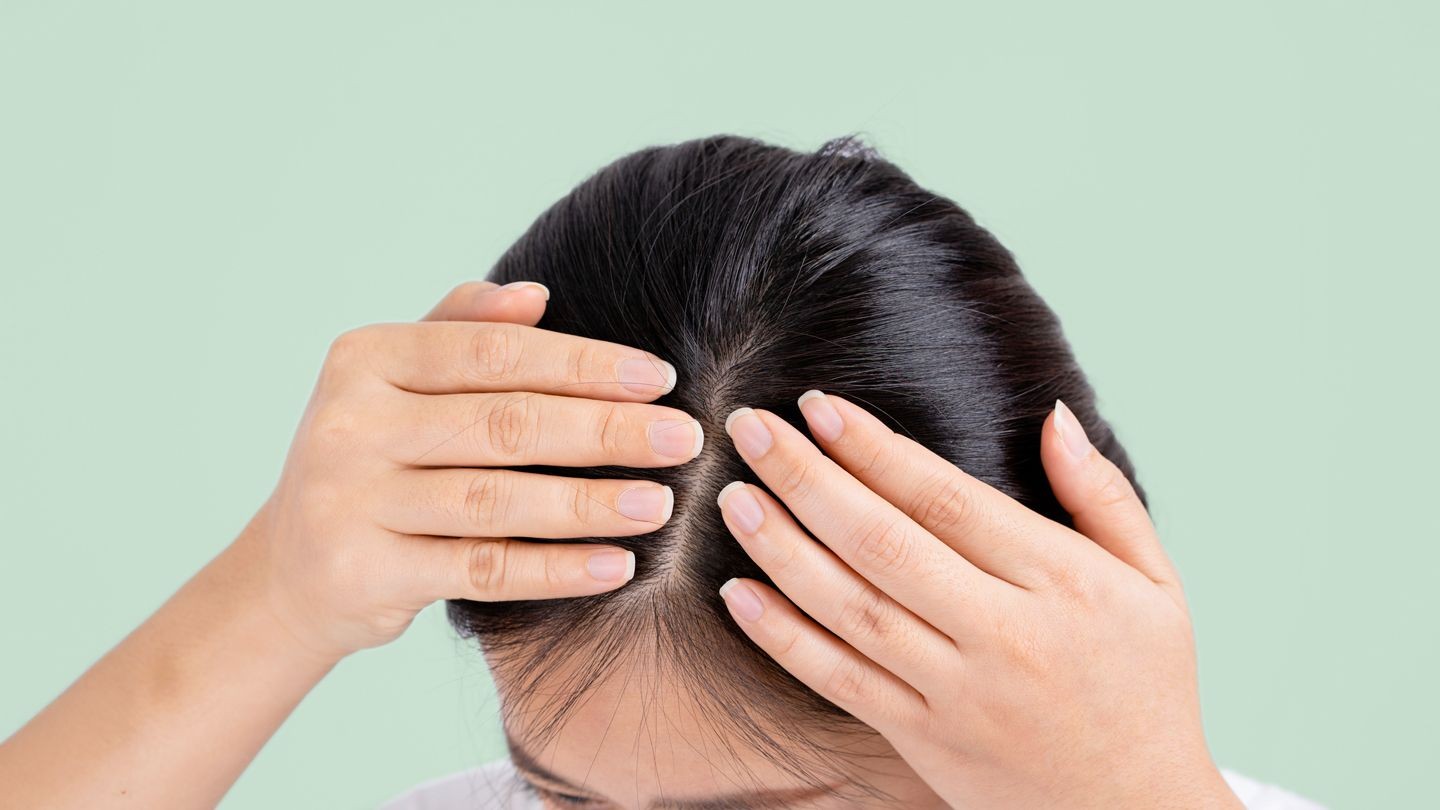
The skin beneath your hair is just as important as the hair itself. A healthy scalp supports hair growth, protects against infection, and ensures comfort. But when inflamed, infected, or imbalanced, it can cause itching, flaking, shedding, or even hair loss.
Scalp health is often overlooked, yet it’s directly linked to overall wellness. Persistent changes to your scalp – whether irritation, unusual dryness, or unexplained odor – shouldn’t be ignored. These symptoms are clues that something may be off, either locally or systemically.
Common Scalp Issues and What They Mean
Here’s a breakdown of the most common problems, what causes them, and what you can do about them.
1. Persistent Itching & Irritation: Chronic scalp itch isn’t just annoying; it can impact quality of life. Itch can range from mild discomfort to burning, stinging, or even a crawling sensation. Often, this is a sign of underlying conditions like seborrheic dermatitis (itchy, red patches), psoriasis (an autoimmune skin condition), contact dermatitis (reaction to hair products), or fungal infections.
* What to do: Switch to fragrance-free shampoo, try anti-dandruff formulas if flaking is present, and avoid harsh scratching. If the itch lasts over two weeks, is intense, bleeding, or painful, see a dermatologist. Prescription treatments like topical corticosteroids or antifungals may be needed.
2. Flaking & Dandruff: Flaking and dandruff are common, but they’re often linked to mild seborrheic dermatitis. Several factors contribute: oil production, yeast overgrowth, skin barrier dysfunction, and genetics.
* What to do: Use over-the-counter shampoos with ketoconazole, zinc pyrithione, salicylic acid, or selenium sulfide. If these don’t help, a dermatologist may prescribe stronger antifungals or anti-inflammatory treatments.
3. Excessive Oiliness: An excessively oily scalp can result from microbiome imbalances, genetics, overwashing, or product buildup. The scalp microbiome (bacteria and fungi) regulates oil production, and disruptions can lead to excessive greasiness.
* What to do: Wash hair consistently (every 1-2 days, depending on type), avoid heavy oils, and use a gentle scalp scrub in the shower to remove product buildup. If oiliness is paired with itching, odor, or hair loss, see a doctor.
4. Unusual Dryness & Tightness: Dryness can be caused by harsh products, cold weather, or underlying conditions like eczema or psoriasis.
* What to do: Switch to a sulfate-free shampoo, wash hair less often, and use a scalp moisturizer. If dryness is severe, itchy, or painful, consult a dermatologist.
5. Redness, Bumps, or Sores: These can indicate allergic reactions, infections (like scalp ringworm), or autoimmune conditions.
* What to do: Stop using irritating products, keep the scalp clean, and avoid picking at it. If bumps are painful, spreading, oozing, or causing hair loss, seek medical treatment.
6. Hair Shedding or Thinning: Losing up to 100 hairs daily is normal, but noticeable shedding or thinning may signal stress, diet issues, damaging hairstyles, age, genetics, or underlying conditions like alopecia areata (an autoimmune disease).
* What to do: Lifestyle changes (nutrition, sleep, stress management) and over-the-counter minoxidil can help. Severe shedding requires medical evaluation for prescription treatments.
7. Unusual Odor: Scalp odor can be a hygiene issue or a sign of yeast overgrowth, bacterial infection, or autoimmune disease.
* What to do: Regular washing and avoiding heavy products may resolve odor from excess oil. Persistent odor with pain, drainage, or sores warrants medical attention.
The Bottom Line
An unhealthy scalp is often a symptom of underlying inflammation, infection, or imbalance. If symptoms worsen or persist despite home care, consult a dermatologist. Early intervention can prevent complications like permanent hair loss or chronic discomfort. Maintaining scalp health is an integral part of overall well-being, and ignoring these signs can have long-term consequences.


