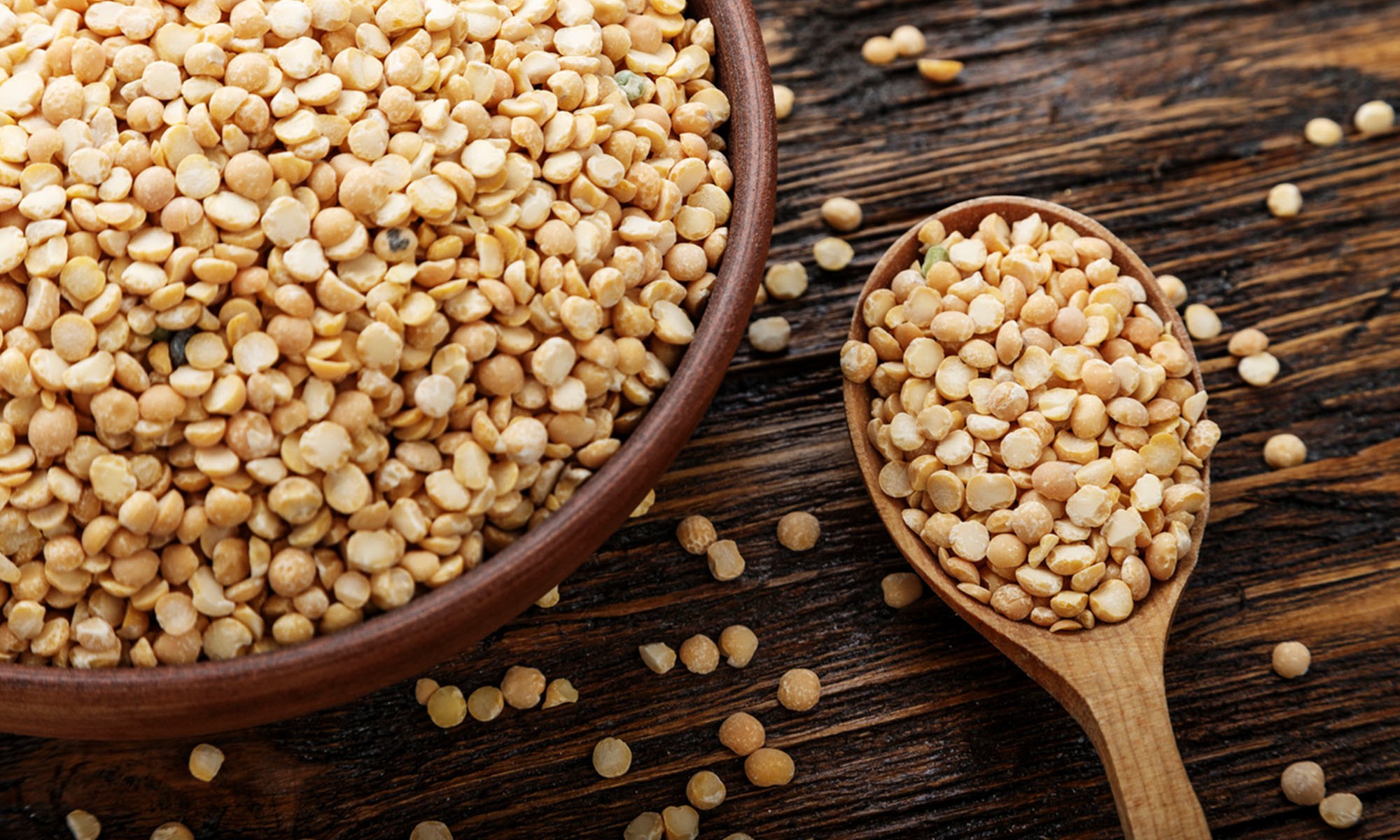
Yellow peas, often overlooked in favor of other legumes, offer a compelling combination of nutrition, versatility, and potential health benefits. As a registered dietitian specializing in gut health, I consistently recommend incorporating them into a balanced diet. Their mild flavor profile makes them an easy substitute for lentils or beans, while their impressive nutritional content makes them a standout choice.
The Longevity Connection
Research into “Blue Zones”—regions worldwide with exceptionally high concentrations of centenarians—highlights the importance of plant-based diets, with legumes being a cornerstone. Yellow peas, rich in fiber and essential nutrients, align with these dietary patterns. Encouraging even one vegetarian day per week, focused on legumes like yellow peas, can significantly improve dietary diversity and gut health.
Nutritional Breakdown & Benefits
A single cup of cooked split yellow peas delivers approximately 16 grams of protein and 41 grams of carbohydrates. Critically, they also provide 16 grams of dietary fiber—over half the daily recommended intake. This high fiber content contributes to a low glycemic index, meaning they release energy slowly and avoid blood sugar spikes. This makes them an ideal fuel source for athletes and individuals managing weight.
Furthermore, the variety of colored legumes (green, yellow, red, orange) introduces different phytonutrients that diversify the gut microbiome. A healthy gut thrives on this diversity.
Culinary Versatility
Yellow peas aren’t limited to soups or stews. They can be mashed, added to tacos, or even used in vegetarian meatballs for a protein boost. Some cultures, particularly in Eastern Europe, have traditionally used them as a hearty side dish during colder months when fresh greens are scarce.
For those seeking convenience, minimally processed yellow pea pasta offers a firm, al dente texture that rivals traditional wheat-based options—without the gluten. This makes them an excellent choice for individuals with dietary restrictions or those seeking a higher-protein pasta alternative.
A Recipe Recommendation: Kitchari Inspired
Inspired by Ayurvedic kitchari, a traditional Indian comfort food, yellow peas can replace mung beans in this savory, spiced dish. The recipe remains simple and delicious while offering a unique nutritional profile.
Eating for gut health isn’t about restriction, it’s about variety. Yellow peas are a simple way to introduce more fiber, protein, and phytonutrients into your diet.
Ultimately, the benefits of yellow peas extend beyond just nutrition; they are a sustainable, versatile, and flavorful addition to any dietary pattern. Adding this underrated legume into your cooking can improve gut health and promote longevity.